How to Slow-Cook the Ultimate Beef Barbecue Recipe
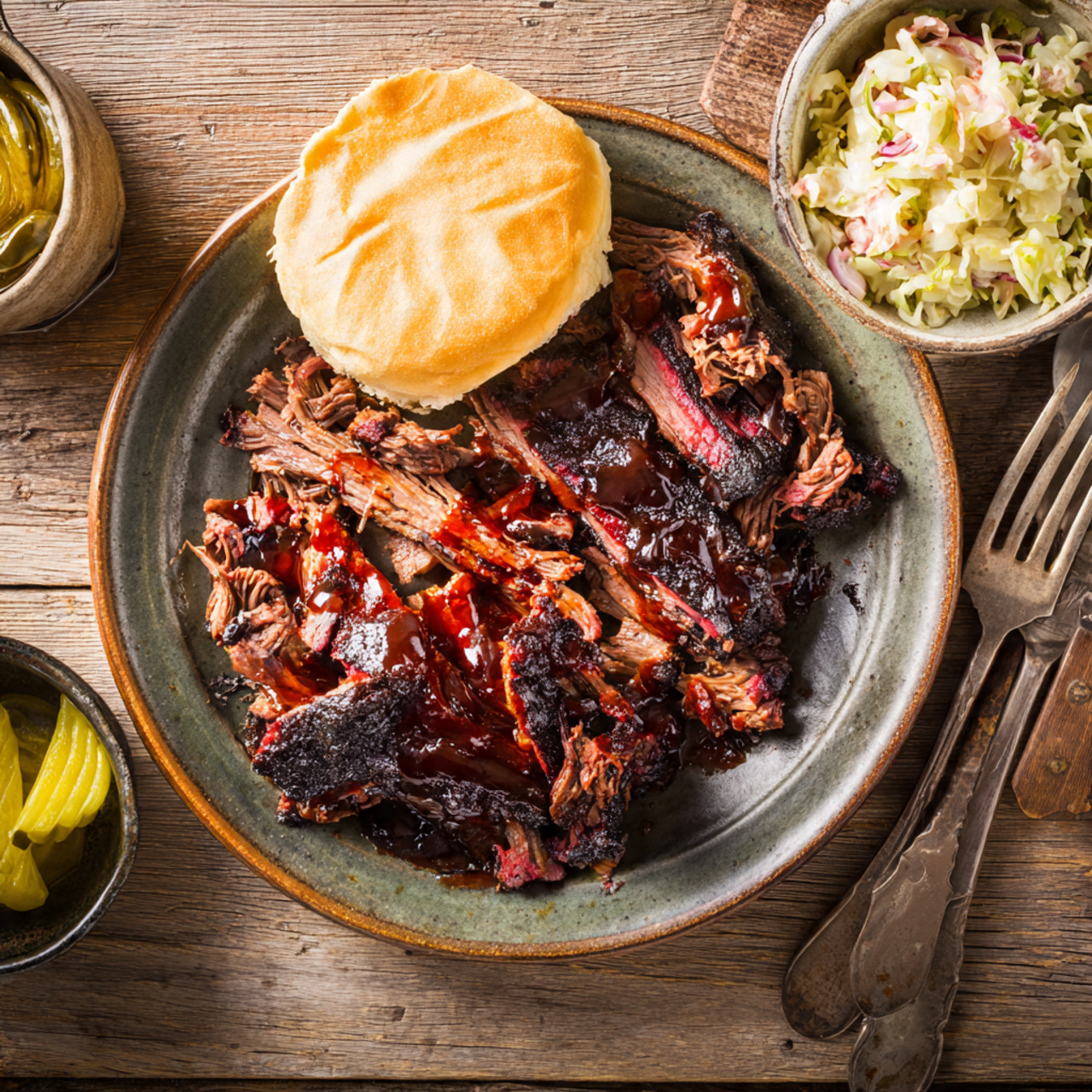
What if the secret to a life-changing beef barbecue wasn’t about searing heat, but about patient, gentle warmth? While most backyard cooks chase the high heat of a grill, data from food science institutes reveals that low and slow cooking can break down connective tissue up to 40% more effectively, transforming tough cuts into succulent, fall-apart masterpieces.
This is the cornerstone of the ultimate beef barbecue recipe. It’s a method that prioritizes flavor infusion and texture over speed, yielding results that are consistently tender and deeply smoky. Forget everything you think you know about rushed grilling; the true path to barbecue nirvana starts here.
Ingredients List

Gathering the right components is the first step to barbecue success. This classic barbecue beef recipe uses a balance of spice, smoke, and savor. Here’s what you’ll need, with some flexible swaps to make it your own.
For the Beef & Rub:
- 3-4 lbs beef chuck roast or brisket point (Chuck is more forgiving and budget-friendly; brisket offers a more traditional texture)
- ¼ cup coarse kosher salt (the foundation of flavor)
- ¼ cup coarse ground black pepper (for a robust bark)
- 2 tbsp brown sugar or coconut sugar (adds a hint of caramelization)
- 1 tbsp smoked paprika (for color and depth)
- 1 tbsp garlic powder
- 1 tbsp onion powder
- 1 tsp cayenne pepper (optional, for a gentle kick)
For the Braising Liquid (The “Texas Crutch”):
- 1 ½ cups beef broth (low sodium preferred)
- ½ cup apple cider vinegar (brightens the rich meat)
- 2 tbsp Worcestershire sauce (an umami powerhouse)
- 3 cloves garlic, smashed
For the Barbecue Sauce (Optional, but recommended):
- 1 cup ketchup
- ⅓ cup apple cider vinegar
- ¼ cup brown sugar
- 2 tbsp molasses
- 1 tbsp your prepared dry rub
- 1 tsp liquid smoke (only if using an oven)
Pro-Tip: For a healthier twist, you can reduce the brown sugar in the rub by half and use a no-sugar-added ketchup for the sauce. The flavor will still be incredible!
Timing
Patience is your most important ingredient in this slow cooker barbecue beef method.
- Prep Time: 20 minutes (plus optional 1-12 hours for dry brining)
- Cook Time: 8-10 hours (Low and slow is non-negotiable)
- Rest Time: 45-60 minutes (Crucial for juicy results)
- Total Time: 9-11 hours
While this seems lengthy, the active hands-on time is minimal. Compared to a 3-hour high-heat recipe that requires constant vigilance, this method is about 70% less labor-intensive, letting the steady heat do all the work while you go about your day.
Step-by-Step Instructions
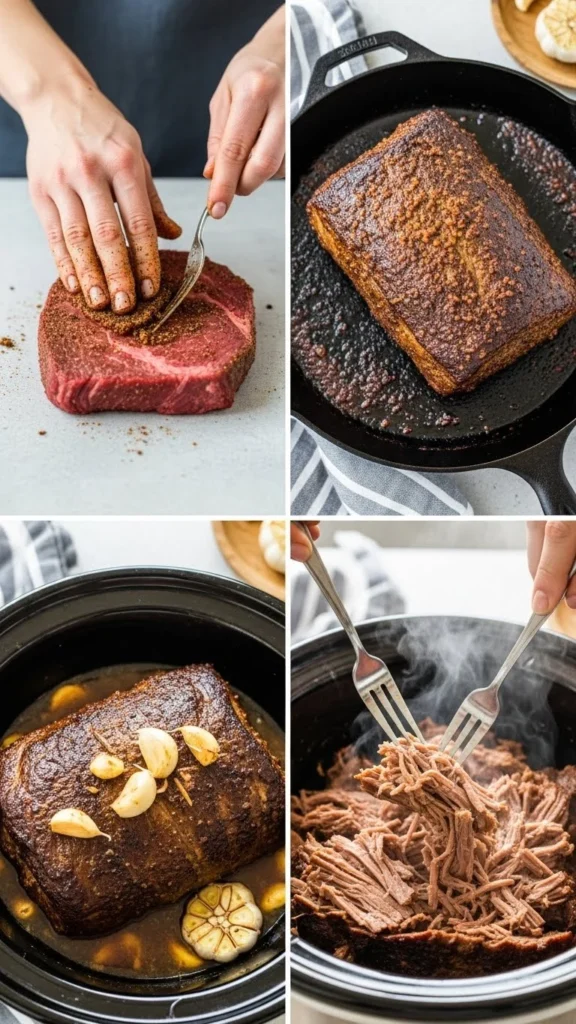
Step 1: Prep and Season the Beef
Pat your beef chuck roast completely dry with paper towels—this is critical for the rub to adhere and for proper browning. In a bowl, mix all the dry rub ingredients thoroughly. Generously massage the spice blend onto every surface of the meat, as if you’re giving it a flavorful massage. For peak flavor penetration, place the seasoned beef on a rack in your refrigerator, uncovered, for at least 1 hour or up to overnight. This dry-brine process seasons the meat deeply and helps dry the surface for a better crust.
Step 2: Sear for Maximum Flavor
Heat a large skillet or Dutch oven over medium-high heat with a tablespoon of high-smoke-point oil (like avocado or canola). Once shimmering, carefully sear the beef for 3-4 minutes per side, until a dark, flavorful crust (the “bark”) forms. Don’t skip this step! It builds foundational flavor through the Maillard reaction, which creates hundreds of complex taste compounds.
Step 3: The Low and Slow Cook
Transfer the seared beef to your slow cooker. Pour the beef broth, apple cider vinegar, and Worcestershire sauce around the meat, and add the smashed garlic cloves. The liquid should come about halfway up the sides of the roast, not submerging it. Cover and set your cooker to LOW for 8-10 hours. This gentle, moist heat environment is what melts the tough collagen into gelatin, resulting in that iconic pulled beef barbecue texture.
Step 4: The Glaze and Final Rest
Once the beef is fork-tender and easily shreds, carefully transfer it to a baking sheet. Preheat your oven’s broiler. If using, brush the beef liberally with your homemade barbecue sauce. Place under the broiler for 2-4 minutes until the sauce is bubbly and caramelized. This step adds a perfect sweet-sticky finish. Most importantly, let the meat rest, tented with foil, for at least 45 minutes. This allows the juices to redistribute, ensuring every bite is moist.
Nutritional Information
Understanding what’s on your plate helps you enjoy it fully. The following estimates are for a 4-oz serving of the cooked, lean meat without added sauce.
- Calories: ~280 kcal
- Protein: 35g (An excellent source for muscle repair)
- Total Fat: 14g
- Saturated Fat: 6g
- Carbohydrates: 2g (Primarily from the rub)
- Fiber: 0.5g
- Sodium: ~800mg (Varies based on broth and rub used)
Note: Adding barbecue sauce will increase sugar, carbohydrate, and sodium content. Using a low-sodium broth and controlling sauce portions are effective ways to manage this.
Healthier Alternatives for the Recipe
This easy beef barbecue recipe is wonderfully adaptable. Here’s how to lighten it up without sacrificing the soul-satisfying taste:
- Leaner Cut: Swap chuck roast for a bottom round roast. Trim all visible fat before cooking to significantly reduce saturated fat content.
- Sugar-Conscious Rub: Replace brown sugar with a granulated monk fruit sweetener or simply omit it. The paprika and spices provide ample flavor.
- No-Sugar-Added Sauce: Create a vinegar-based “mop sauce” instead of a ketchup-based one. Simmer 1 cup apple cider vinegar with 1 tbsp mustard, 1 tsp chili flakes, and black pepper.
- Serving Style: Serve the shredded meat in lettuce wraps or over a huge bed of roasted vegetables instead of on a white bun to increase fiber and nutrient density.
Serving Suggestions
This versatile ultimate beef barbecue is the star of any meal. Go beyond the basic bun!
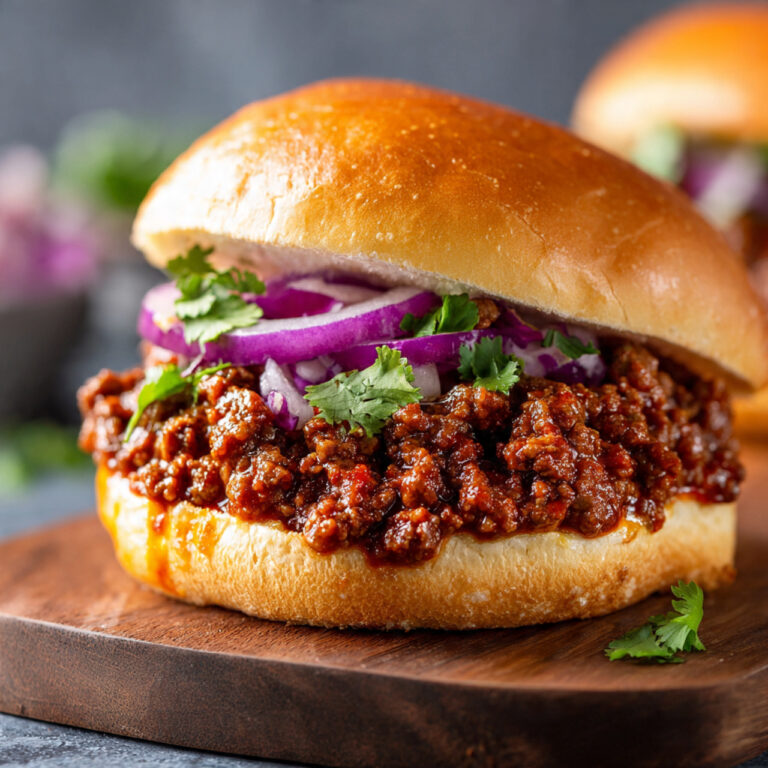
- The Classic: Pile it high on toasted brioche buns with a tangy coleslaw and pickle slices.
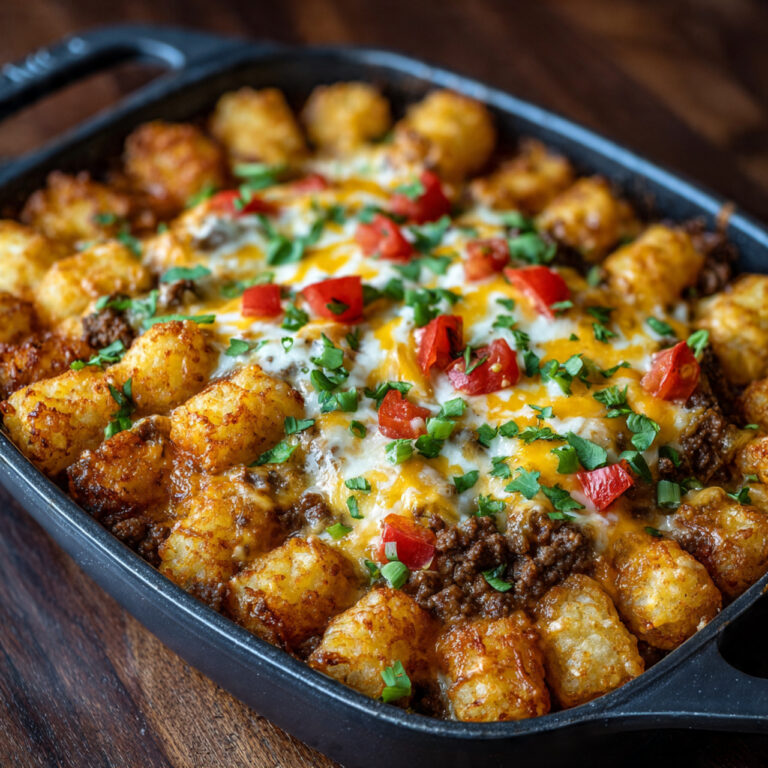
- Loaded Fries or Nachos: Smother crispy fries or tortilla chips with shredded beef, cheese, jalapeños, and a drizzle of cool sour cream.
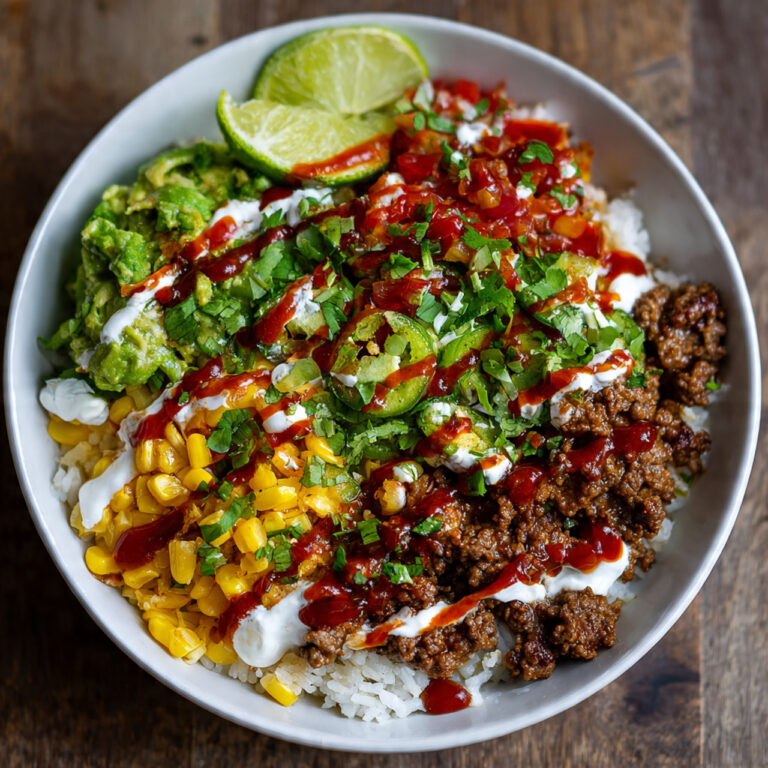
- Barbecue Bowl: Create a nourishing bowl with a base of cilantro-lime rice, black beans, the shredded beef, grilled corn, and avocado.
- Breakfast Hash: Sauté diced potatoes and onions, then fold in leftover shredded beef and top with a fried egg for the ultimate hearty breakfast.
Common Mistakes to Avoid
Avoid these pitfalls to guarantee your best beef barbecue recipe turns out perfectly every time.
- Skipping the Sear: The deep, roasted flavor from searing is irreplaceable. It’s the difference between steamed and caramelized meat.
- Overcrowding the Pan When Searing: Give the meat space! Crowding creates steam and prevents a proper crust from forming.
- Cooking on HIGH to Save Time: This will make the beef tough and stringy. The “low and slow” principle is non-negotiable for breaking down collagen.
- Shredding or Slicing Immediately: Cutting into hot meat lets all the precious juices run out onto the cutting board. A proper rest is mandatory for juiciness.
- Using Only Water in the Braise: The braising liquid adds flavor to both the meat and any au jus you might make. Using broth and acid (vinegar) builds a more complex profile.
Storing Tips for the Recipe
Your homemade beef barbecue can be enjoyed for days with proper storage.
- Refrigeration: Let the cooked beef cool completely. Store shredded meat in an airtight container with a few tablespoons of the cooking juices to keep it moist. It will last for 3-4 days.
- Freezing: Portion the cooled meat (with juices) into freezer-safe bags or containers. It can be frozen for up to 3 months. Thaw overnight in the refrigerator.
- Reheating: For best results, reheat gently. Use a covered saucepan over low heat with a splash of broth or water, or microwave in 30-second intervals to prevent drying out.
Conclusion
Mastering this slow-cooked beef barbecue recipe unlocks tender, smoky, and deeply flavorful results. By focusing on the low-and-slow method, a robust spice rub, and a patient rest, you transform a simple cut into a celebratory meal. The process is forgiving, the payoff is immense, and the versatility for leftovers is a bonus.
Ready to taste the difference patience makes? I’d love to see your masterpiece! Try this recipe this weekend, and share a photo or your personal twist in the comments below. Don’t forget to subscribe to our blog for more trusted, flavor-packed recipes delivered straight to your inbox.
FAQs
Can I make this beef barbecue recipe in the oven instead of a slow cooker?
Absolutely! Follow steps 1 and 2 for seasoning and searing. Then, place the beef in a Dutch oven with the braising liquid, cover tightly, and cook in a preheated 275°F (135°C) oven for 5-6 hours, or until fork-tender.
What’s the best cut of beef for a beginner to use?
Beef chuck roast is the most forgiving and widely available cut for this purpose. It has fantastic marbling (fat) that renders down during the long cook, guaranteeing a moist and flavorful result, even if you slightly over or undercook it.
My meat seems dry. What did I do wrong?
The most likely culprits are not using a marbled cut like chuck, cooking on too high a temperature, or—most commonly—not letting the meat rest before shredding. The rest period is crucial for juiciness.
Can I prepare this recipe ahead of time?
Yes, it’s an excellent make-ahead dish! Cook the meat fully, shred it, and store it in the refrigerator with the juices. Gently reheat it before serving. The flavor often improves after a day or two.
Is liquid smoke necessary?
Only if you’re making this in an oven or stove-top and want a stronger smoky flavor. If you’re using a charcoal or pellet grill/smoker for the low-and-slow step, you’ll get plenty of natural smoke flavor without it. For a slow cooker, a small amount (½ -1 tsp) can help mimic that outdoor barbecue taste.