How to Make a Beef Bouillon Cubes Pho Recipe in 5 Steps
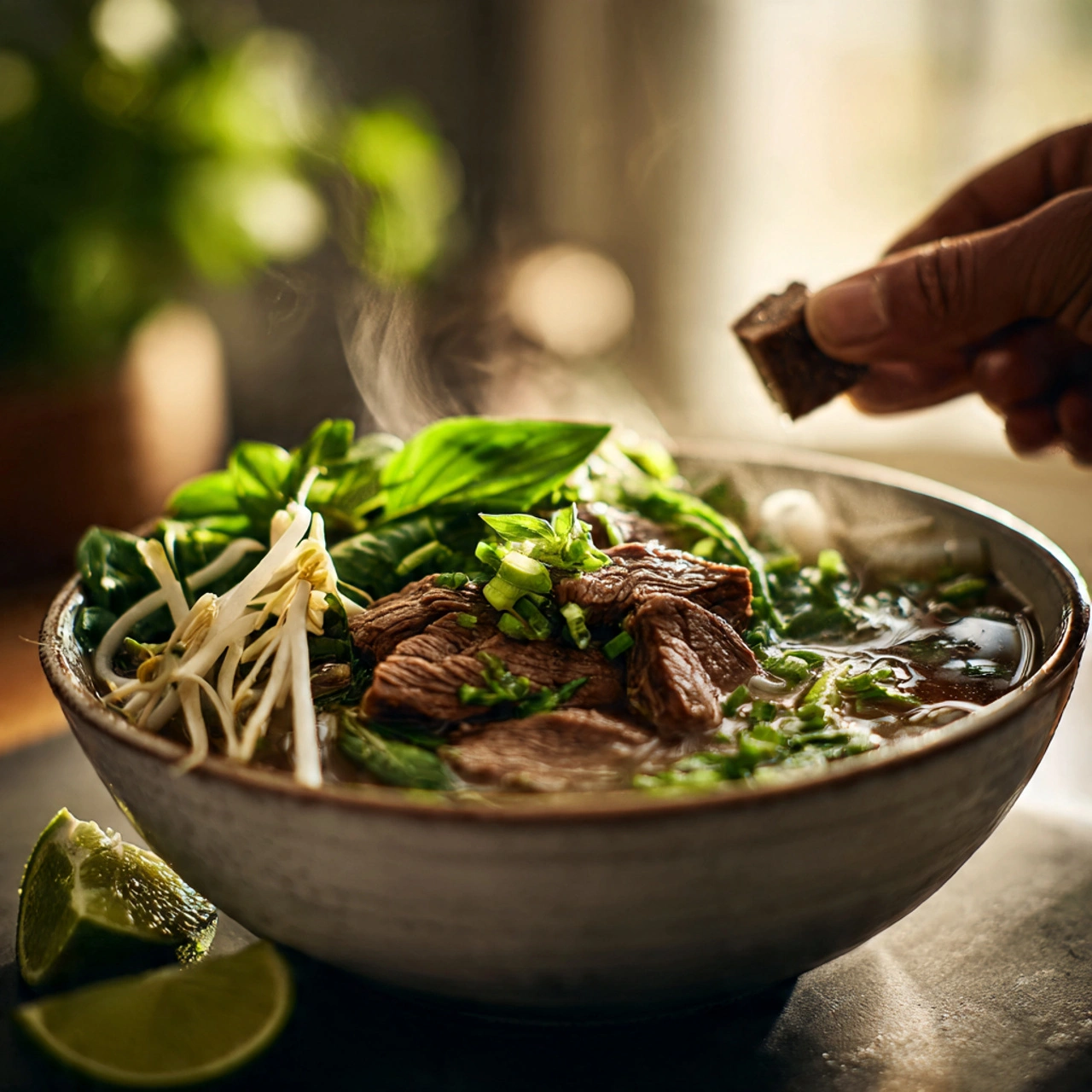
Did you know that over 80% of home cooks list “lack of time” as the top barrier to making authentic Vietnamese pho? Yet, what if you could capture the soul-warming essence of this iconic noodle soup in a fraction of the time, using a simple pantry staple? This Beef Bouillon Cubes Pho Recipe is your secret weapon, transforming humble ingredients into a bowl of fragrant, savory, and deeply satisfying pho that challenges the belief that great flavor requires hours of simmering. By leveraging the concentrated power of beef bouillon cubes, we unlock a world of rich umami and make this global favorite accessible any night of the week. Let’s dive into this simplified, flavor-packed journey.
Table of Contents
Ingredients for Your Beef Bouillon Cubes Pho
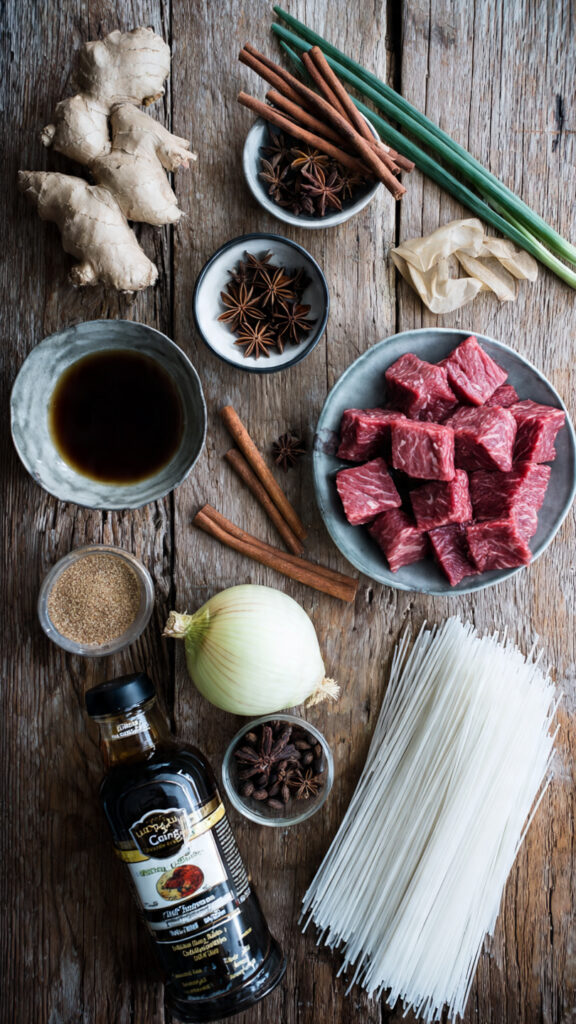
Gathering your ingredients is the first step to pho success. This list is designed for flexibility and maximum flavor. For the Beef Bouillon Cubes Pho Recipe, you’ll need:
For the Broth:
- 8 cups water
- 4-5 high-quality beef bouillon cubes (low-sodium recommended for better control)
- 1 large yellow onion, peeled and halved
- 1 3-inch piece of fresh ginger, halved lengthwise
- 3 star anise pods (the scent should be sweet and licorice-like)
- 1 cinnamon stick
- 3 whole cloves
- 1 tablespoon whole coriander seeds
- 1 tablespoon sugar (rock sugar is traditional, but brown or white works)
- 2 tablespoons fish sauce (the umami anchor)
For the Bowls:
- 1 lb flat rice noodles (banh pho), prepared according to package
- 1 lb thinly sliced beef (sirloin, flank, or eye of round—almost translucent slices work best)
- 1 small white onion, thinly sliced
- Fresh herbs: a big handful of Thai basil and cilantro
- Bean sprouts, for crunch
- Lime wedges, for a citrusy zing
- Sliced jalapeños or bird’s eye chilies, for heat
- Hoisin sauce and Sriracha, for serving
Quick Substitutions: No star anise? Use a pinch of Chinese five-spice powder. For a gluten-free version, ensure your bouillon cubes and fish sauce are certified GF. Vegetarian? Swap beef bouillon for robust vegetable bouillon and use tofu or mushrooms instead of beef.
Pho in a Flash: Your Cooking Timeline
One of the biggest wins of this Beef Bouillon Cubes Pho Recipe is the dramatic time savings. Forget the 6-8 hour traditional simmer.
- Prep Time: 15 minutes (toasting spices, slicing aromatics and beef)
- Cook Time: 25 minutes (building and infusing the broth)
- Total Time: 40 minutes
That’s right—you’ll have steaming bowls of pho on the table in under 45 minutes, which is roughly 85% less time than a classic recipe. This makes it a feasible and fantastic option for a deeply flavorful weeknight dinner.
Crafting Your Simplified Pho: A Step-by-Step Guide
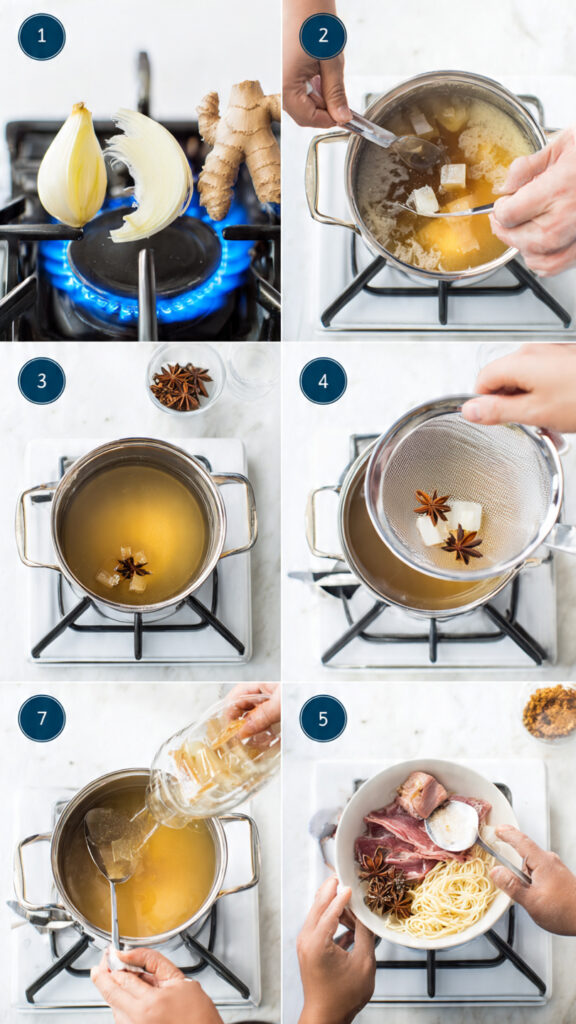
Step 1: Char Your Aromatics for Depth
Place your halved onion and ginger pieces directly on the grate of a gas burner over medium flame, or under a broiler. Let them char for about 5-7 minutes, turning occasionally, until fragrant and blackened in spots. This crucial step unlocks smoky, sweet notes that form the foundation of your pho broth, adding complexity that bouillon alone can’t provide.
Step 2: Toast the Spices to Awaken Flavors
In a dry, medium-sized soup pot over low heat, add the star anise, cinnamon stick, cloves, and coriander seeds. Toast for 2-3 minutes until they become incredibly fragrant. Be careful not to burn them! This process releases their essential oils, transforming your kitchen into an aromatic haven and ensuring your broth is richly spiced.
Step 3: Build the Savory Broth Base
To the pot with the toasted spices, add 8 cups of water, the charred onion and ginger, sugar, and fish sauce. Crumble in the beef bouillon cubes. Bring everything to a gentle boil over high heat, then immediately reduce to a low simmer. Let it bubble softly, uncovered, for 20 minutes. This allows the spices to fully infuse and the bouillon to dissolve and meld seamlessly.
Step 4: Strain and Season to Perfection
After simmering, remove the pot from heat. Using a fine-mesh strainer, strain the broth into a clean pot, discarding the solids. You should have a clear, beautifully amber, and fragrant broth. Taste it now—this is your moment. Adjust the seasoning with more fish sauce for saltiness/umami or a pinch more sugar to balance. Your Beef Bouillon Cubes Pho Recipe broth is ready!
Step 5: Assemble Your Vibrant Pho Bowls
Divide your prepared, soft rice noodles among large bowls. Top each with a generous pile of your raw, thinly sliced beef and some sliced white onion. The heat of the broth will cook the beef perfectly. Carefully ladle the piping hot broth directly over the beef and noodles. Watch as the beef turns from pink to a perfect, tender gray almost instantly. Serve immediately, letting everyone customize their bowl with herbs, sprouts, lime, and sauces.
Nutritional Snapshot of Your Homemade Pho
This Beef Bouillon Cubes Pho Recipe offers a balanced meal. Here’s a per-bowl estimate (without added sauces):
- Calories: ~450 kcal
- Protein: ~25g (Excellent for muscle repair)
- Carbohydrates: ~60g (Primary energy source from noodles)
- Fat: ~10g
- Sodium: ~900mg (Varies with bouillon; using low-sodium can reduce this by 30%)
- Key Vitamins/Minerals: Rich in Iron from the beef, and provides a good amount of Vitamin C from garnishes like lime and herbs.
Healthier Twists on the Beef Bouillon Cubes Pho Recipe
Want to lighten it up or tailor it to specific diets? Try these swaps:
- Boost Fiber & Veggies: Add spiralized zucchini or shirataki noodles for half the rice noodles. Toss in bok choy or broccoli in the last minute of simmering.
- Reduce Sodium: Use low-sodium beef bouillon cubes and increase umami with a tablespoon of low-sodium soy sauce or a few dried shiitake mushrooms during the simmer.
- Leaner Protein: Swap the beef for thinly sliced chicken breast or cooked, shredded shrimp added just at the end.
- Whole Grain Option: Use brown rice noodles for added nutrients and a nuttier flavor.
Serving Your Pho for Maximum Enjoyment
Presentation is part of the pho experience! Serve the broth in a large, thermal carafe at the table for a dramatic pour-over. Arrange all fresh garnishes on a large platter in the center of the table—this encourages interaction and customization. For a complete meal, pair your pho with fresh summer rolls or a crisp Vietnamese cabbage salad. Don’t forget the sauces: a drizzle of hoisin adds sweet depth, while Sriracha brings the heat.
5 Common Pho Pitfalls and How to Dodge Them
- Broth Lacking Depth: Mistake: Not charring the onion/ginger. Fix: Don’t skip this! It adds a irreplaceable smoky-sweet base that bouillon needs.
- Rubbery Beef: Mistake: Using thick-cut beef or overcooking it in the broth. Fix: Slice partially frozen beef paper-thin and let the hot broth do the work.
- Muddy, Cloudy Broth: Mistake: Boiling the broth vigorously after adding spices. Fix: Maintain a gentle, lazy simmer to keep the broth clear.
- Bland Seasoning: Mistake: Not tasting and adjusting at the end. Fix: Fish sauce and sugar are your balancing tools. Adjust in small increments until the broth sings.
- Soggy Noodles: Mistake: Letting noodles sit in the broth too long before eating. Fix: Assemble and serve immediately for perfect noodle texture.
Keeping Your Pho Fresh: Storing & Reheating Tips
- Broth Storage: Cool the strained broth completely and store it separately from noodles and toppings in an airtight container. It will keep for 4 days in the fridge or 3 months in the freezer.
- Leftover Assembled Pho: It’s best to deconstruct it. Store noodles, beef, and broth separately to prevent mushiness.
- Reheating: Gently reheat broth on the stovetop until boiling. Refresh noodles by rinsing with hot water. Assemble bowls fresh with new herbs and sprouts for the best texture and vibrancy.
Conclusion
tabThis Beef Bouillon Cubes Pho Recipe proves that incredible pho is within reach, using a clever shortcut without sacrificing core flavor. By charring aromatics, toasting spices, and finishing with fresh herbs, you create a complex, restaurant-worthy bowl in just 5 simple steps. It’s the perfect bridge between tradition and convenience.
Ready to experience the magic? Try this recipe tonight and share a photo of your beautiful bowl in the comments below! What’s your favorite pho garnish? Let us know, and subscribe to our newsletter for more smart, time-saving recipes delivered to your inbox.
Your Beef Bouillon Cubes Pho Recipe FAQs
Q: Can I make this pho recipe vegetarian?
A: Absolutely! Simply replace the beef bouillon cubes with a high-quality vegetable or mushroom bouillon. Use tofu, seitan, or a mix of hearty mushrooms like shiitake and oyster as your protein.
Q: My broth tastes a bit flat. How can I fix it?
A: A flat broth usually needs more salt/umami or acidity. Add an extra half teaspoon of fish sauce or a pinch of salt, and a squeeze of fresh lime juice. Toasting your spices adequately next time will also add more dimension.
Q: Where can I find the right rice noodles and cut of beef?
A: Flat rice noodles (Banh Pho) are in the Asian aisle of most supermarkets or at Asian grocers. For the beef, ask your butcher to thinly slice sirloin or eye of round for pho, or partially freeze a piece of steak for 60 minutes and slice it yourself with a sharp knife.
Q: Can I prepare any parts of this recipe ahead of time?
A: Yes! The broth can be made 2-3 days ahead and tastes even better as flavors meld. You can also slice the beef and veggies, and wash/herbs a day in advance. Store everything separately and assemble when ready to serve.
Q: Is this recipe authentic?
A: This is a streamlined, home-cook-friendly adaptation designed to deliver the essential flavors and experience of pho using a accessible shortcut (bouillon cubes). While it doesn’t replicate the 12-hour bone broth of traditional pho, it captures its spirit deliciously for a modern kitchen.