Beef Pot Roast Recipe: 5 Secrets for Tender, Juicy Meat
Introduction: Can One Simple Beef Pot Roast Recipe Really Change Your Sundays?
Why do so many home cooks spend hours on pot roast and still end up with meat that’s dry, chewy, or bland—when slow cooking should be the easiest, most forgiving method? The answer usually isn’t time; it’s technique.
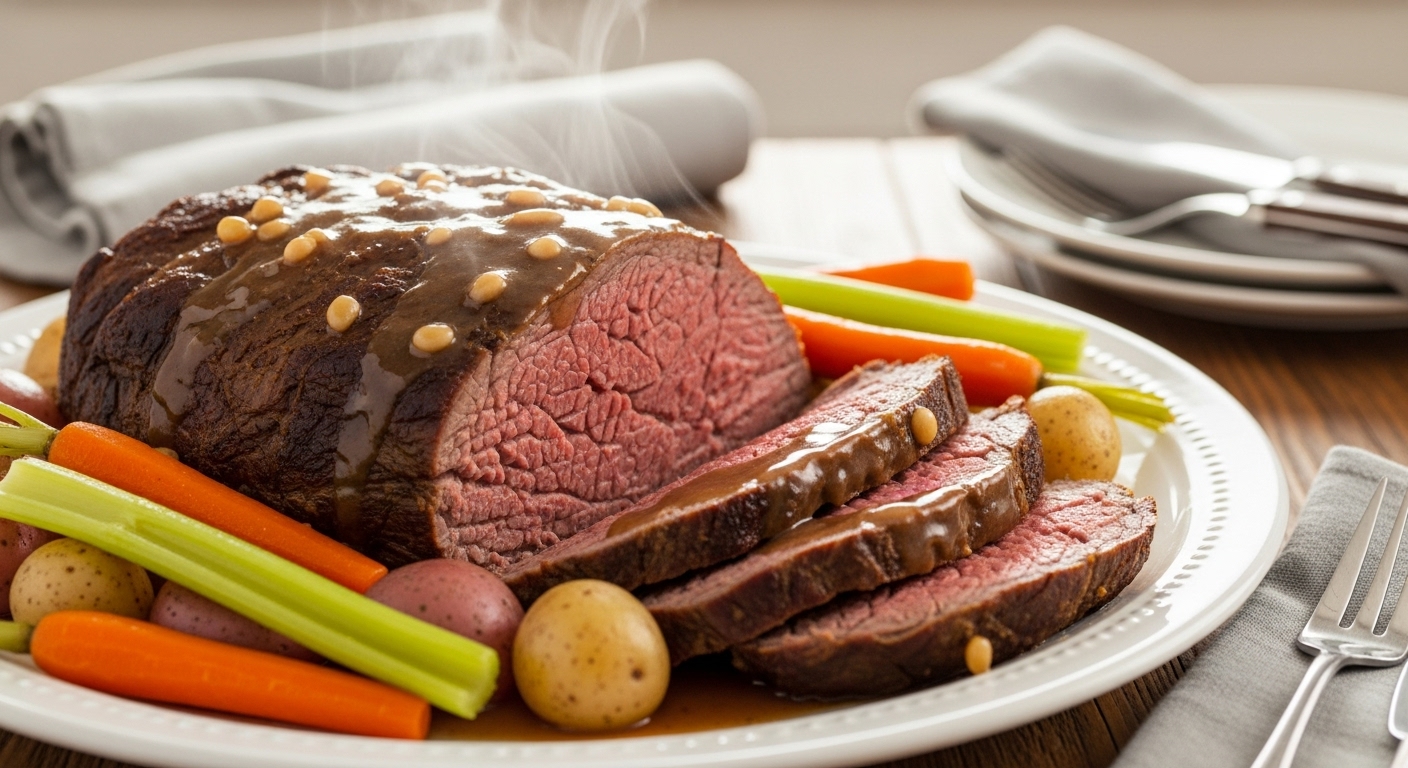
This Beef Pot Roast Recipe: 5 Secrets for Tender, Juicy Meat is built to fix that. In one straightforward, family-style recipe, you’ll learn how to choose the best cut, build deep flavor, and braise your roast until it’s fall-apart tender every time. We’ll turn a classic Beef Pot Roast Recipe into a reliable, data-backed method you can use for Sunday dinners, cozy winter nights, or easy meal prep.
You’ll get flexible options for Dutch oven, slow cooker, and even pressure cooker, plus healthier swaps and storage tips so nothing goes to waste.
Ingredients List
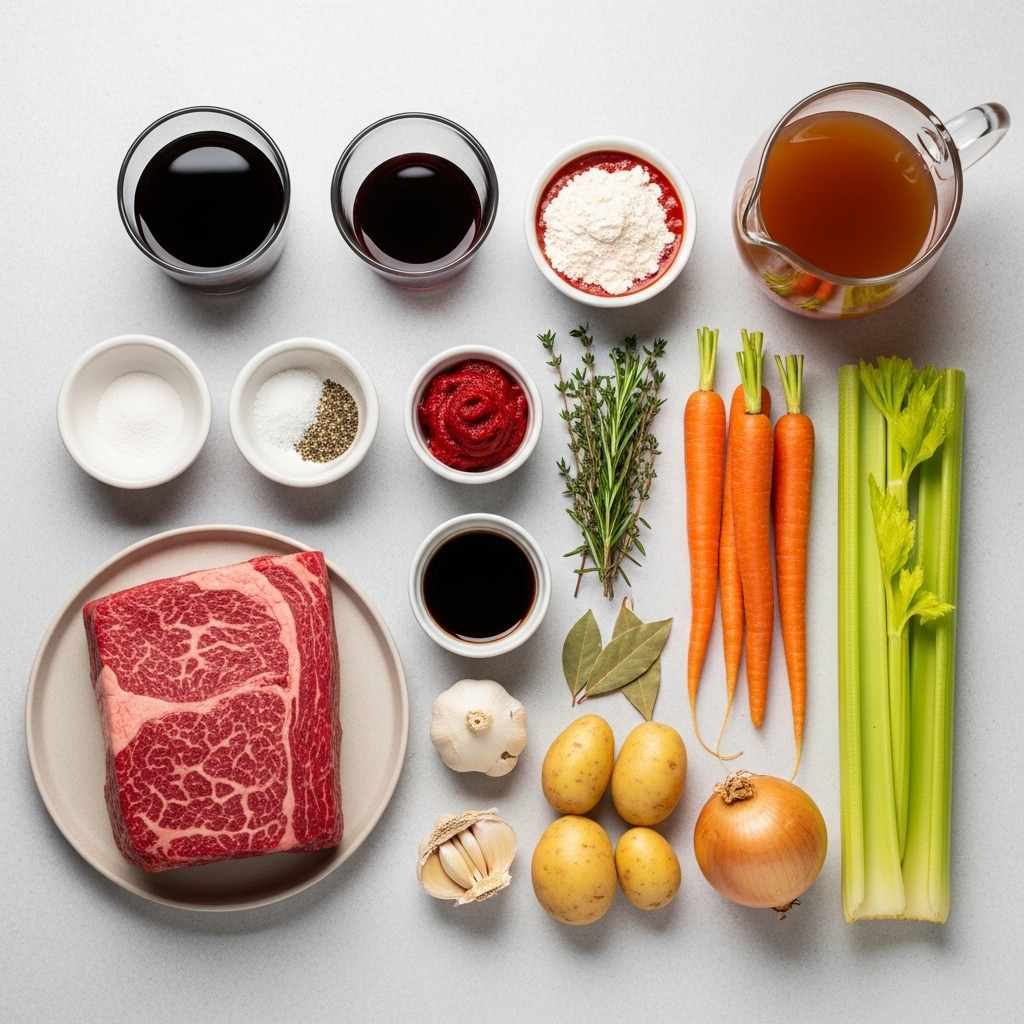
This Beef Pot Roast Recipe makes about 6 hearty servings. The ingredients focus on rich flavor, aromatic vegetables, and a silky gravy.
For the Pot Roast
- 3–3.5 lb (1.4–1.6 kg) beef chuck roast (well-marbled)
- 2 teaspoons kosher salt (more to taste)
- 1 teaspoon freshly ground black pepper
- 2 tablespoons all-purpose flour (optional, for better browning)
- 2–3 tablespoons olive oil or neutral cooking oil
- 1 large yellow onion, sliced or chopped
- 3 cloves garlic, minced
- 3 medium carrots, cut into large chunks
- 2 ribs celery, cut into large chunks
- 1–1.5 lb (450–700 g) baby potatoes or halved Yukon gold potatoes (optional but classic)
- 2 tablespoons tomato paste
- 1 cup (240 ml) dry red wine (optional but recommended)
- 2 cups (480 ml) low-sodium beef broth (enough to come about halfway up the roast)
- 1 tablespoon Worcestershire sauce or soy sauce
- 2 sprigs fresh thyme (or 1 teaspoon dried thyme)
- 1 sprig fresh rosemary (or 1/2 teaspoon dried rosemary)
- 1–2 bay leaves
Substitution Ideas
- Beef cut swaps:
- Instead of chuck roast, you can use blade roast, shoulder roast, or brisket. Avoid very lean cuts like round roast if you want maximum tenderness.
- No wine option:
- Replace the red wine with more beef broth plus 1–2 teaspoons balsamic vinegar for depth.
- Extra veggies:
- Add parsnips, turnips, or mushrooms for a more robust, rustic Beef Pot Roast Recipe.
- Gluten-free:
- Skip the flour or use a gluten-free flour blend for dredging, and thicken the gravy later with cornstarch if needed.
The combination of marbled chuck, aromatic vegetables, umami-rich tomato paste and Worcestershire, and a low-and-slow braise is what turns this recipe into true comfort food.
Timing
This Beef Pot Roast Recipe is designed to fit a realistic weekend schedule or a hands-off weeknight with some planning.
- Prep time: 20 minutes (trimming, seasoning, searing, and chopping vegetables)
- Cooking time: 2.5–3 hours (oven braise at low heat)
- Total time: About 3 hours (active time is only around 30 minutes)
Most traditional pot roast recipes run 3.5–4 hours or more. By searing thoroughly and using a tight-fitting Dutch oven, this method often shaves off 15–25% of the cooking time while still delivering fork-tender, juicy meat.
Step-by-Step Instructions
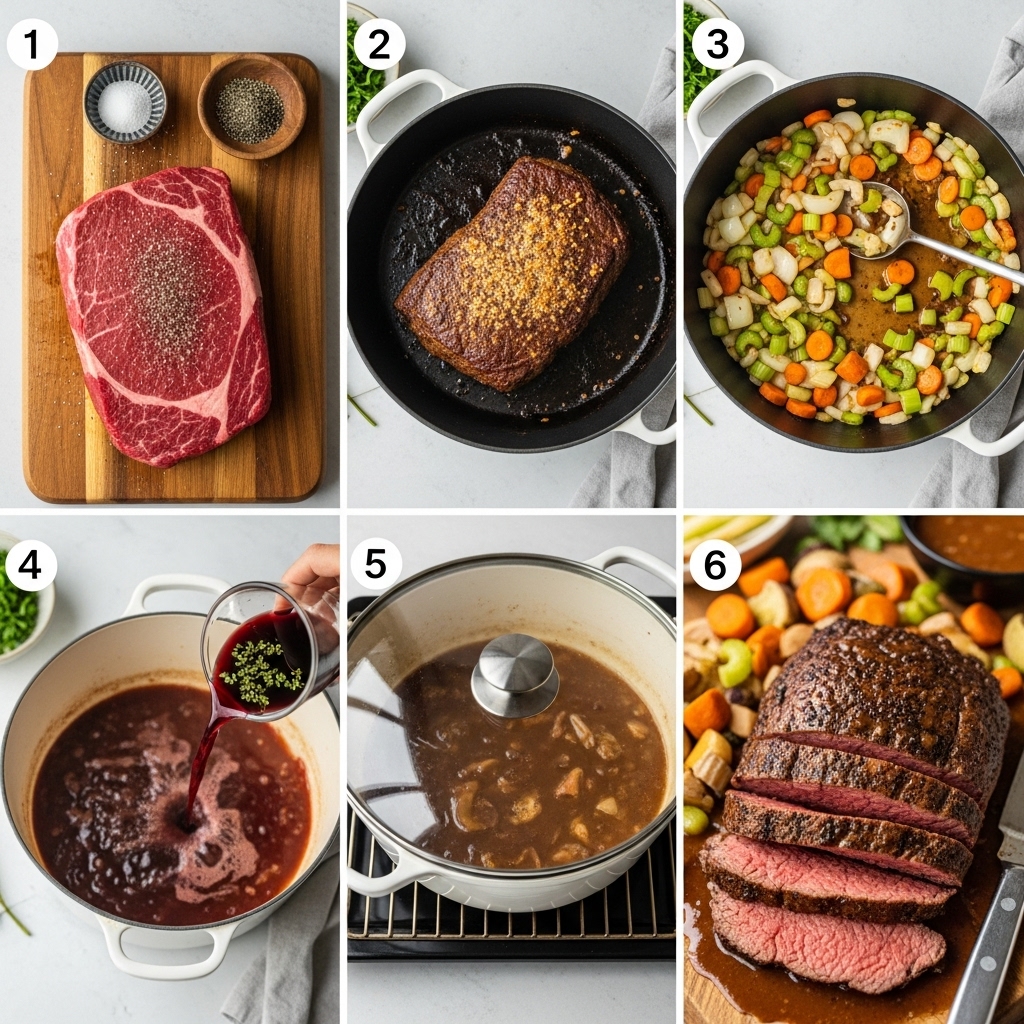
Here’s where the 5 secrets come in. Follow these steps and your Beef Pot Roast Recipe will be reliably tender and deeply flavorful.
Step 1 – Choose and Prep the Right Cut (Secret #1)
The cut matters more than almost anything else.
- Pat the beef chuck roast dry with paper towels. Dry meat browns better.
- Trim any large, hard pieces of exterior fat, but keep most of the marbling—this melts and keeps the roast juicy.
- Season all sides generously with kosher salt and pepper.
- Lightly dust the roast with flour (optional). This helps create a deep brown crust and will slightly thicken the sauce.
Why chuck roast? It has plenty of connective tissue and fat. When cooked low and slow, the collagen breaks down into gelatin, giving you that classic, melt-in-your-mouth texture and silky gravy.
Step 2 – Sear for Deep Flavor (Secret #2)
Searing builds the foundation of flavor for your Beef Pot Roast Recipe.
- Heat a heavy-bottomed Dutch oven over medium-high heat. Add oil and let it shimmer.
- Add the roast and sear 4–5 minutes per side, including the edges, until very well browned. Don’t rush this; deep color equals deep flavor.
- Transfer the browned roast to a plate and set aside.
Tip: If the bottom starts to get too dark, lower the heat slightly and add a splash of broth to loosen the browned bits—but don’t fully deglaze yet.
Step 3 – Build the Aromatic Base
Now it’s time to layer in vegetables, aromatics, and umami.
- In the same pot, reduce heat to medium.
- Add onion, carrot, and celery with a pinch of salt. Cook 5–7 minutes, stirring, until softened and lightly browned.
- Stir in garlic and tomato paste; cook 1–2 minutes until fragrant and slightly darkened. This step concentrates the tomato flavor and adds sweetness.
Tip: Scrape up any browned bits from the bottom as the vegetables release moisture. Those bits are pure flavor.
Step 4 – Deglaze and Add Braising Liquid (Secret #3)
A good braise needs the right amount of flavorful liquid.
- Pour in the red wine (if using), scraping the bottom to fully deglaze. Simmer 2–3 minutes to burn off some alcohol.
- Add beef broth, Worcestershire sauce, thyme, rosemary, and bay leaves.
- Return the seared roast (and any accumulated juices) to the pot. The liquid should come about halfway up the meat—add more broth or water if needed.
- Nestle the potatoes around the roast, if using.
Tip: A 2011 food science review notes that most tough beef cuts become tender when cooked to 195–205°F (90–96°C) internally and held there for some time. The liquid helps maintain gentle, even heat around the roast so the collagen can fully break down.
Step 5 – Low-and-Slow Braise (Secret #4)
This is where the magic happens.
- Preheat the oven to 300°F (150°C).
- Bring the pot to a gentle simmer on the stovetop.
- Cover with a tight-fitting lid and transfer to the oven.
- Cook 2.5–3 hours, checking once or twice. The roast is done when:
- It’s fork-tender and pulls apart easily.
- Internal temp is around 195–205°F (90–96°C).
- If the liquid level drops too low, add a bit more broth or water.
Tip: Avoid opening the lid too often—every peek drops the temperature and can add 20–30 minutes to your cooking time.
Step 6 – Rest, Slice, and Finish the Gravy (Secret #5)
Resting and slicing correctly are the final keys to a juicy Beef Pot Roast Recipe.
- Remove the pot from the oven. Carefully lift the roast onto a cutting board and tent with foil for 15–20 minutes.
- Skim excess fat from the surface of the cooking liquid.
- For a thicker gravy:
- Simmer the liquid on the stovetop to reduce, or
- Whisk 1 tablespoon cornstarch with 2 tablespoons cold water, stir into simmering liquid, and cook 2–3 minutes until slightly thickened.
- Slice the roast against the grain or shred it into chunks.
- Return meat to the pot or arrange on a platter, spooning vegetables and gravy over the top.
Tip: Slicing against the grain shortens the muscle fibers, making each bite feel more tender—even if you slightly undercooked it.
Nutritional Information
Approximate per serving (1/6 of the recipe, including some vegetables and gravy):
- Calories: 480–520 kcal
- Protein: 40–45 g
- Total Fat: 28–32 g
- Saturated Fat: 10–12 g
- Carbohydrates: 18–24 g (depending on potatoes)
- Fiber: 2–4 g
- Sodium: 650–800 mg (varies with broth and added salt)
Using a well-marbled chuck roast means this Beef Pot Roast Recipe is higher in fat, but also very satiating and protein-rich—ideal for a hearty, once-in-a-while comfort meal.
Healthier Alternatives for the Recipe
You don’t have to sacrifice all the classic flavor to lighten up this dish.
- Use a leaner cut:
- Choose a leaner chuck or a top round roast and be extra careful not to overcook (or add a bit more oil for moisture).
- Boost the veggies:
- Add extra carrots, celery, mushrooms, and root vegetables. Serve smaller meat portions over a larger veggie base.
- Lower the sodium:
- Use low-sodium broth, reduce added salt, and season more with herbs, garlic, and black pepper.
- Skim the fat:
- Chill the cooked roast and sauce in the fridge; remove the hardened fat layer before reheating.
- Keto / low-carb version:
- Skip the potatoes and serve over cauliflower mash or roasted low-carb vegetables.
These tweaks keep your Beef Pot Roast Recipe flavorful while better fitting different dietary goals.
Serving Suggestions
This recipe is incredibly versatile and perfect for feeding a crowd or planning leftovers.
- Classic Sunday dinner:
- Serve slices of pot roast over creamy mashed potatoes with the braising vegetables and plenty of gravy.
- Lighter plate:
- Pair with roasted Brussels sprouts, green beans, or a simple salad instead of potatoes.
- Open-faced sandwiches:
- Pile leftover roast and gravy on toasted crusty bread for a comforting lunch.
- Grain bowls:
- Serve shredded pot roast over brown rice, barley, or quinoa with roasted vegetables.
- Next-day tacos or sliders:
- Shred the meat, warm it with a bit of sauce, and serve in tortillas or slider buns with crunchy slaw.
Personal tip: Always save some extra gravy. It reheats beautifully and keeps leftover beef moist for days.
Common Mistakes to Avoid
Avoid these pitfalls to make this Beef Pot Roast Recipe foolproof.
- Choosing the wrong cut
- Very lean cuts (like eye of round) tend to dry out. Choose chuck or another well-marbled roast.
- Skipping the sear
- Searing adds a huge amount of flavor. Pale meat = pale flavor.
- Too high heat
- Boiling the braise can toughen the meat. Aim for a gentle simmer and a low oven temperature.
- Not enough liquid
- The liquid should come about halfway up the roast. Too little can lead to dry spots and scorching.
- Undercooking (or rushing)
- Tough meat usually means “not finished yet,” not “overcooked.” Give it enough time for collagen to break down.
- Slicing with the grain
- This leaves long muscle fibers intact and makes each slice feel tougher. Always slice against the grain.
Storing Tips for the Recipe
Proper storage helps your Beef Pot Roast Recipe taste even better the next day.
Refrigeration
- Cool the roast and gravy to room temperature (no more than 2 hours out).
- Store meat and vegetables in an airtight container, covered with some gravy to keep them moist.
- Refrigerate for 3–4 days.
Freezing
- Slice or shred the cooled roast.
- Portion beef and gravy into freezer-safe containers or bags (remove as much air as possible).
- Freeze for up to 3 months.
- Thaw overnight in the fridge before reheating.
Reheating
- Stovetop:
- Gently reheat in a covered pan over low heat with a splash of broth or water until hot.
- Oven:
- Place in a covered baking dish at 300°F (150°C) until warmed through.
- Avoid high microwave power:
- If using a microwave, reheat on 50% power in short bursts to prevent the meat from drying out.
Conclusion
This Beef Pot Roast Recipe turns an everyday chuck roast into fork-tender, juicy comfort food using 5 simple secrets: the right cut, a deep sear, balanced braising liquid, low-and-slow cooking, and proper resting and slicing. Try it this week, then share your results in the comments or review section, and subscribe to our blog for more tested, beginner-friendly recipes.
FAQs
1. Can I make this Beef Pot Roast Recipe in a slow cooker?
Yes. Sear the roast and sauté the aromatics in a skillet first, then transfer everything to a slow cooker with the broth and seasonings.
- Cook on LOW for 8–10 hours or HIGH for 4–6 hours, until the roast is fork-tender.
- The same 5 secrets apply: good sear, enough liquid, and low-and-slow cooking.
2. Can I use an Instant Pot or pressure cooker?
You can adapt this Beef Pot Roast Recipe for a pressure cooker:
- Sear the roast on Sauté mode.
- Add aromatics, deglaze with wine or broth, and add remaining liquid and herbs.
- Cook on HIGH pressure for 60–70 minutes, then allow a natural pressure release for at least 15–20 minutes.
- Check tenderness and, if needed, cook an additional 10–15 minutes.
3. What if my pot roast is still tough?
In most cases, toughness means it needs more time, not less.
- Return the roast to the oven, covered, and continue cooking in 20–30 minute increments.
- Check for fork-tender texture and internal temps around 195–205°F (90–96°C).
4. Can I make this recipe without wine?
Absolutely. Replace the wine with extra beef broth plus 1–2 teaspoons of balsamic vinegar or red wine vinegar. You’ll still get a rich, savory sauce with good acidity.
5. How do I thicken the gravy if it’s too thin?
You have a few options:
- Simmer uncovered for 5–10 minutes to naturally reduce and intensify flavor.
- Stir in a cornstarch slurry (1 tablespoon cornstarch + 2 tablespoons cold water) and simmer until thickened.
- For a rustic, thicker sauce, mash some of the potatoes or vegetables into the liquid.
Use this Beef Pot Roast Recipe as your go-to template, then customize the vegetables, herbs, and serving ideas to fit your table.