The 5 Best Tips for a Juicy Butterball Turkey Recipe Every Time
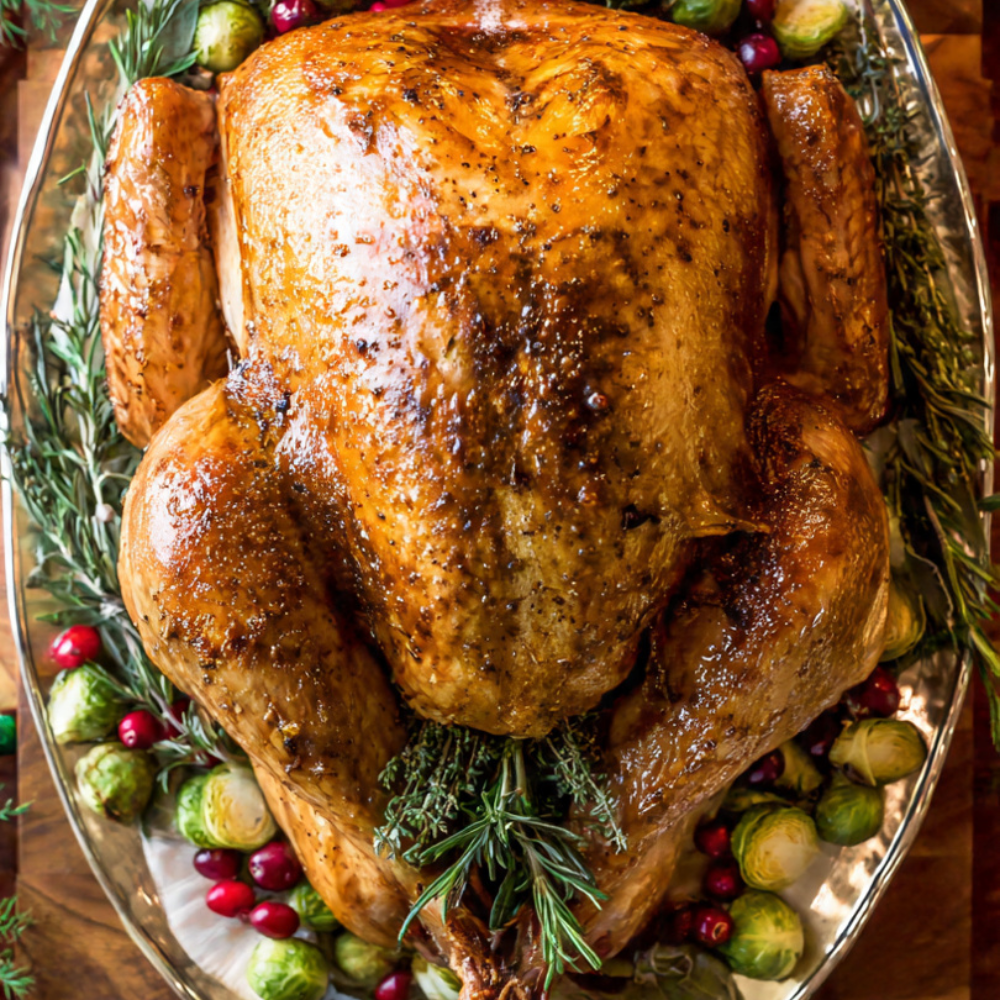
Is it possible that the most trusted name in holiday poultry already comes with the secret to success built right in? With Butterball turkeys gracing nearly 1 in 3 Thanksgiving tables, home cooks often wonder how to enhance an already great product. This guide isn’t about reinventing the wheel; it’s about mastering it. We’re focusing on the five non-negotiable techniques that work in perfect harmony with a Butterball turkey recipe to guarantee a juicy, flavorful, and stunning centerpiece. Forget the stress of complex brines or guesswork. By understanding and applying these five pillars, you’ll unlock the full potential of your pre-brined turkey for a foolproof holiday feast, every single time.
Table of Contents
Ingredients List
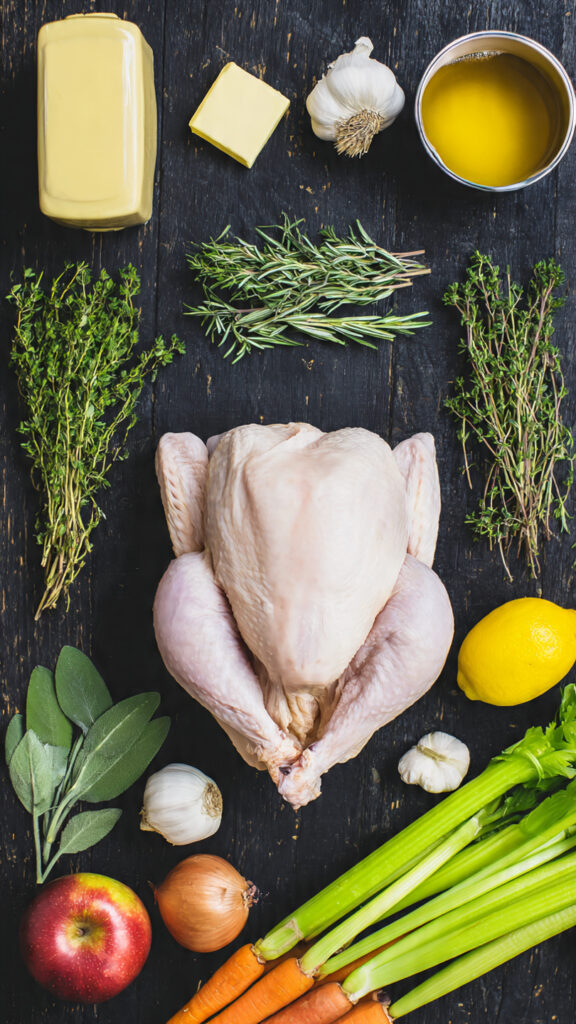
Butterball’s built-in advantages mean you can keep your ingredient list beautifully simple. These elements are about adding layers of flavor and perfecting the finish.
- The Main Event:
- 1 Butterball frozen turkey (12-16 lbs), completely thawed. Trust the built-in flavor.
- For the Herb Butter (The Flavor Boost):
- ½ cup (1 stick) unsalted butter, softened
- 2 tbsp fresh herbs, finely chopped (sage, rosemary, and thyme)
- 2 cloves garlic, minced
- 1 tsp lemon zest
- ½ tsp black pepper
- For the Aromatics & Pan:
- 1 large onion, quartered
- 2 ribs celery, cut into chunks
- 1 large carrot, cut into chunks
- 1 apple, quartered (for subtle sweetness)
- 2 cups low-sodium chicken or turkey broth
- Essential Tools:
- Roasting pan with rack
- Kitchen twine
- Digital meat thermometer (the most important tool!)
- Aluminum foil
Ingredient Swaps & Tips:
- Dairy-Free: Substitute the butter with ¼ cup of high-quality olive oil for the herb mixture.
- Herb Variations: Use 2 teaspoons of dried poultry seasoning if fresh herbs aren’t available.
- Aromatics: No apple? A halved lemon or orange in the cavity adds wonderful moisture and aroma.
Timing
Butterball provides excellent guidelines, but these tips ensure precision. Plan for 13 minutes per pound at 325°F as a starting point.
- Thawing Time (Critical!): 3-4 days in the refrigerator (plan ahead!)
- Prep Time: 20 minutes
- Cook Time: 2 hours 45 min – 3 hours 30 min (for a 12-16 lb bird)
- Rest Time: 45 minutes (MANDATORY)
- Total Project Time: ~4.5 to 5.5 hours (plus thawing)
Data Insight: A Butterball turkey is pre-brined, which can reduce your active prep time by up to 24 hours compared to a from-scratch wet brine. This allows you to focus your energy on the cooking techniques that matter most for texture and presentation.
Step-by-Step Instructions
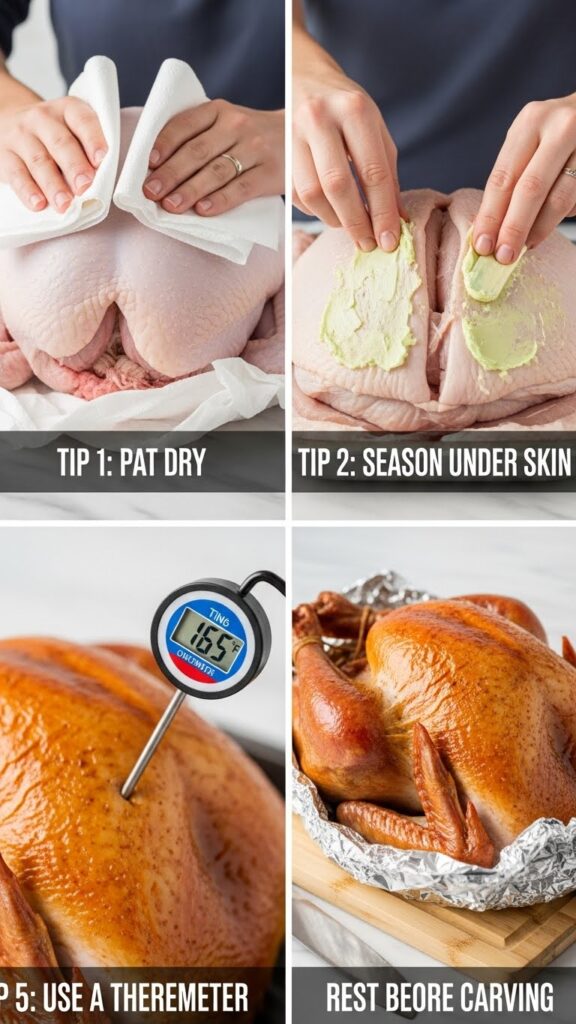
These five steps correspond to the five essential tips for Butterball success.
Step 1: Thaw Safely & Dry Thoroughly (Tip #1)
This is the foundation. Ensure your turkey is fully thawed in the refrigerator. On cooking day, remove it from the fridge 60 minutes before roasting. Pat the entire bird, especially the cavity, intensely dry with paper towels. A dry skin is the only path to crispy, golden-brown perfection.
Step 2: Season Under the Skin (Tip #2)
Mix the softened butter with herbs, garlic, lemon zest, and pepper. Gently separate the skin from the breast and thigh meat by sliding your hand underneath. Spread the herb butter directly onto the meat, not just on top of the skin. This bastes the meat from within as it cooks. Season the outside of the skin lightly with salt and pepper.
Step 3: Truss & Add Aromatics (Tip #3)
Tuck the wing tips under the body. Loosely tie the legs together with kitchen twine—this is for aesthetics, not a tight truss. Fill the cavity with the onion, celery, carrot, and apple. These aromatics steam from the inside, adding moisture and flavor to the meat, not to be eaten.
Step 4: Roast Low, Baste, & Tent (Tip #4)
Place the turkey breast-side up on a rack in your roasting pan. Pour broth into the bottom. Roast at 325°F, basting every 45 minutes with pan juices. When the breast is a beautiful golden brown (usually after 1.5-2 hours), tent only the breast loosely with foil to prevent over-browning while the dark meat finishes cooking.
Step 5: Thermometer, Not Time (Tip #5)
Forget pop-up timers. Insert a digital probe thermometer into the thickest part of the thigh, not touching bone. Remove the turkey from the oven when it reads 165°F. The breast should be at least 160°F. Carryover cooking will do the rest. This is the single most important tip for juicy meat.
Nutritional Information
Butterball turkey is a lean, high-protein centerpiece. Per 4-ounce serving of skinless white meat:
- Calories: ~160
- Protein: 34g
- Total Fat: 1.5g
- Sodium: ~200mg (Note: Pre-brined, so sodium is higher than unseasoned turkey)
- Selenium: 50% of the RDI
Data Insight: Because Butterball turkeys are pre-brined, they retain approximately 6-8% more moisture during cooking compared to an unbrined bird, giving you a built-in buffer against dryness.
Healthier Alternatives for the Recipe
You can easily tailor this holiday turkey recipe for specific dietary needs.
- Lower Sodium: Since the bird is pre-brined, be very light-handed with any additional salt. Rely on herbs, citrus, and pepper for flavor.
- Dairy-Free/Whole30: Use olive oil under the skin and ensure your broth is compliant.
- Reduced Fat: Skip the herb butter under the skin and simply rub the skin with a little oil and herbs. The pre-brining will still help keep the meat moist.
Serving Suggestions
The turkey is the star, and these pairings let it shine.
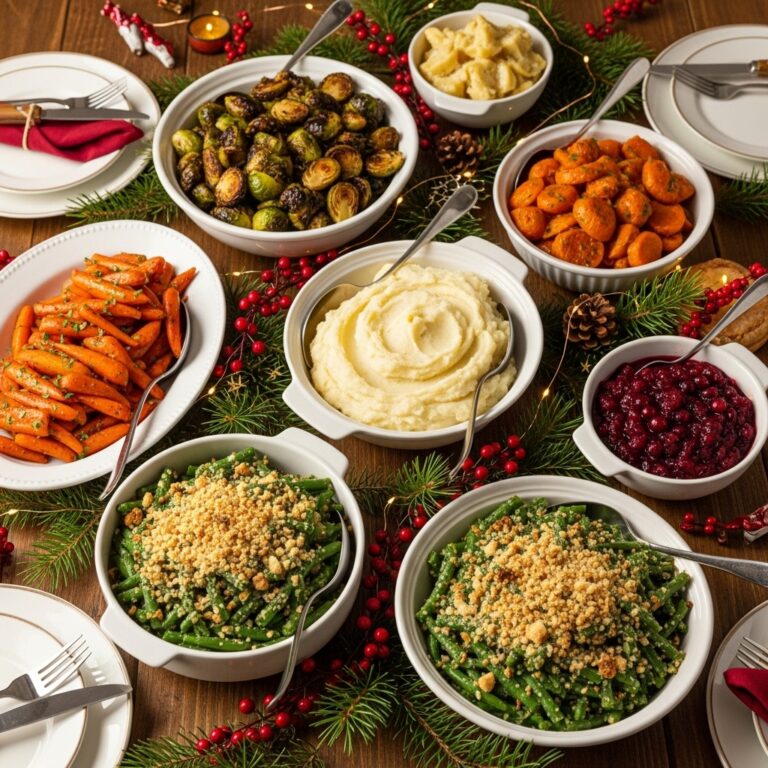
- Classic Holiday Plate: Serve with homemade gravy (use those amazing pan drippings!), sausage stuffing, mashed potatoes, and cranberry sauce.
- For Leftovers: Plan for turkey sandwiches with cranberry mayo, turkey tetrazzini, or a hearty turkey and wild rice soup.
- Wine Pairing: A medium-bodied Pinot Noir or an oaked Chardonnay complements the savory, herby notes beautifully.
Common Mistakes to Avoid
Steer clear of these pitfalls to ensure your Butterball roast turkey is perfect.
- Not Thawing Completely: A frozen or partially frozen center will cook unevenly. Thaw in the fridge for 3-4 days.
- Relying on the Pop-Up Timer: These often trigger at 180°F+, leading to overcooked, dry breast meat. Use a digital thermometer.
- Over-Trussing: Tying the legs too tightly can prevent hot air from circulating in the cavity, leading to uneven cooking.
- Skipping the Rest: Carving immediately sends all the juices onto the cutting board. Resting for 45 minutes lets them redistribute into the meat.
- Washing the Turkey: This is a food safety hazard that spreads bacteria. Patting it dry is safe and effective for crisp skin.
Storing Tips for the Recipe
- Leftovers: Carve and store meat in shallow airtight containers within 2 hours. Refrigerate for up to 4 days.
- Freezing: Freeze cooked turkey in gravy or broth for up to 3 months to prevent freezer burn.
- Carcass: Don’t discard it! Simmer it with leftover veggies to make a rich, homemade turkey stock.
Conclusion
Mastering a Butterball turkey recipe hinges on five keys: safe thawing, drying the skin, flavoring under the skin, strategic roasting, and trusting a thermometer. These steps leverage the bird’s pre-brined quality for a consistently juicy, flavorful, and impressive holiday centerpiece.
Ready for your best turkey yet? Follow these five focused tips and prepare for rave reviews. Share your success in the comments and subscribe for more holiday hosting confidence!
FAQs
Do I need to brine a Butterball turkey?
No. Butterball turkeys are already injected with a seasoned brine solution. Additional wet brining is unnecessary and can make the meat too salty.
Why is there a pop-up timer if I shouldn’t use it?
The pop-up timer is a safety indicator that guarantees the turkey is fully cooked, but it often indicates well-done. For juicier results, a digital thermometer is the precision tool you need.
Should I rinse my Butterball turkey?
No. The USDA strongly advises against washing poultry, as it can spread harmful bacteria. Cooking it to the proper temperature (165°F) will kill any bacteria safely.
Can I cook a Butterball turkey from frozen?
Butterball does not recommend cooking from frozen. For the best texture, safety, and even cooking, always thaw completely first.
What’s the white stuff in the turkey package?
That’s the frozen gravy or broth packet included with some Butterball turkeys. You can use it to baste or make gravy, but be mindful of its salt content if using.