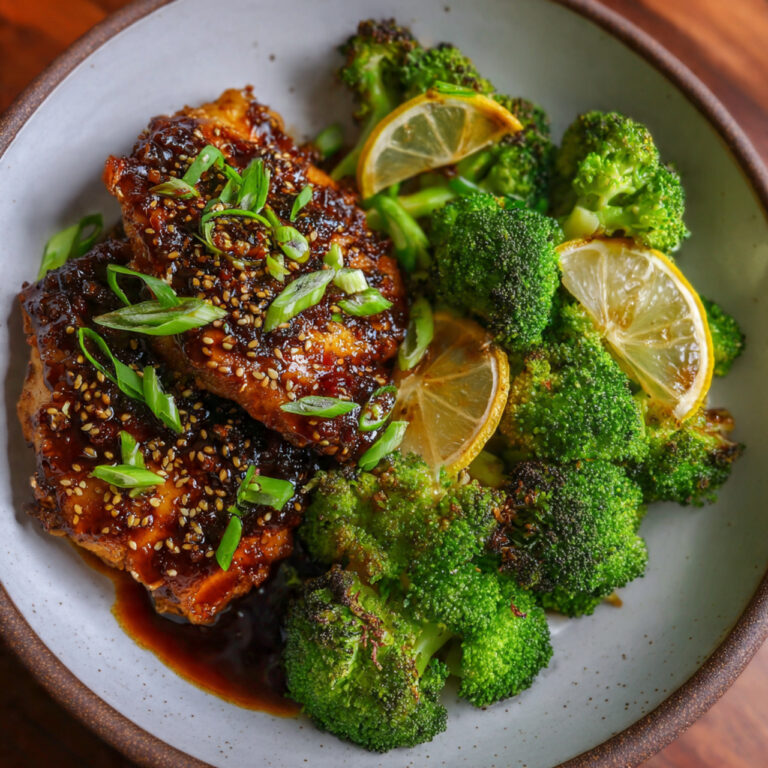
Ethipian berbere chicken
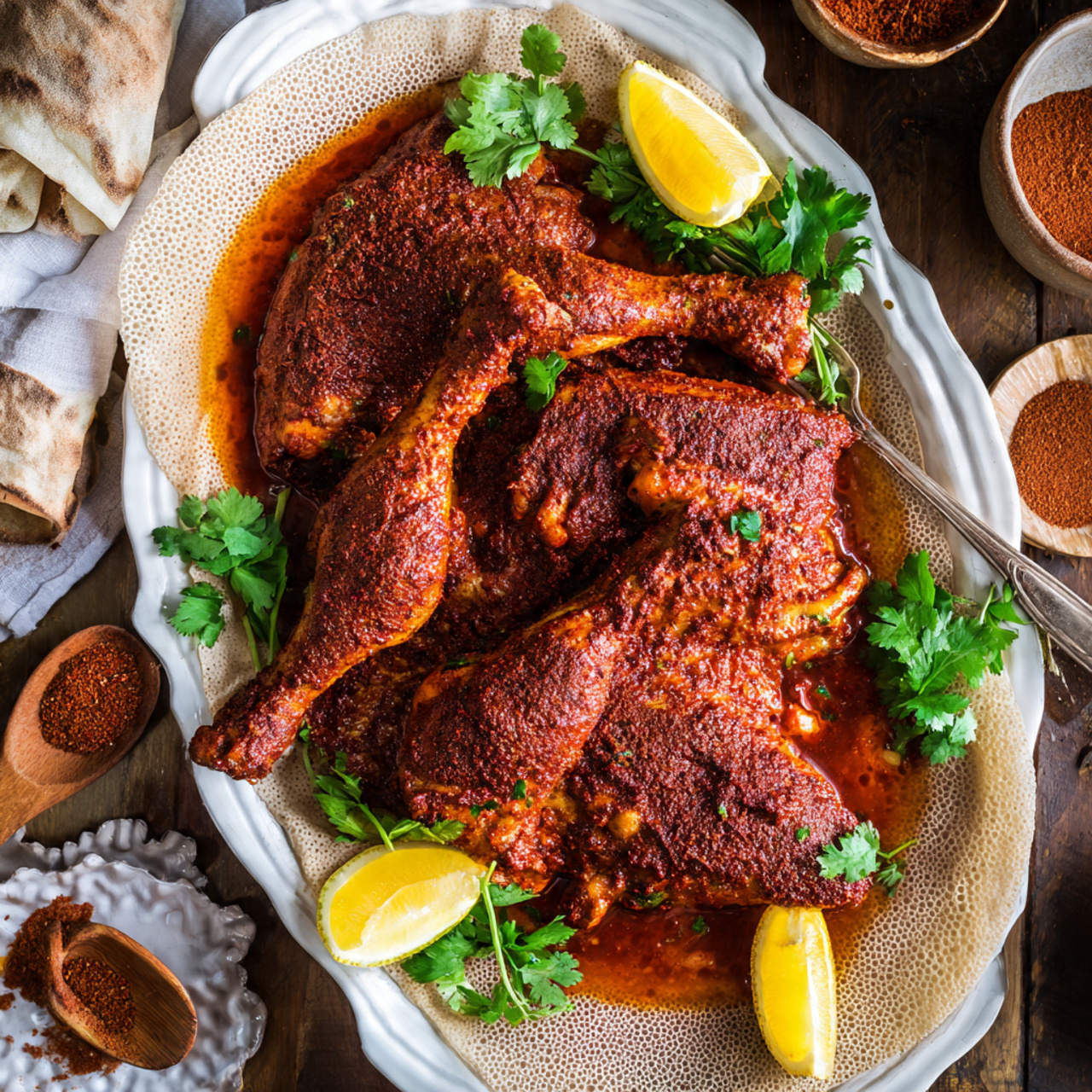
Did you know that berbere, the soul of Ethiopian cuisine, is often a blend of over 15 different spices, each toasted and ground to create a flavor profile that’s simultaneously earthy, spicy, citrusy, and deeply warming? What if you could harness that complex, world-renowned flavor to transform simple chicken into an unforgettable, restaurant-quality dish with just one key ingredient? This Ethiopian Berbere Chicken recipe is your gateway, offering a perfectly balanced, approachable way to experience the magic of this iconic spice blend. Forget one-note spicy food—this dish delivers layers of flavor that are bold yet harmonious, creating chicken that’s incredibly aromatic, slightly fiery, and utterly compelling.
This Ethiopian Berbere Chicken is designed to demystify a cornerstone of East African cooking. Whether you’re a seasoned fan of Ethiopian food or completely new to its wonders, this recipe provides a clear, satisfying path to creating a show-stopping main course. By focusing on technique to unlock the spice’s potential and pairing it with a simple, pan-made sauce, we create a dish that’s weeknight-friendly yet special enough for any gathering. Let’s explore how to make berbere the star of your kitchen.
Table of Contents
Ingredients List
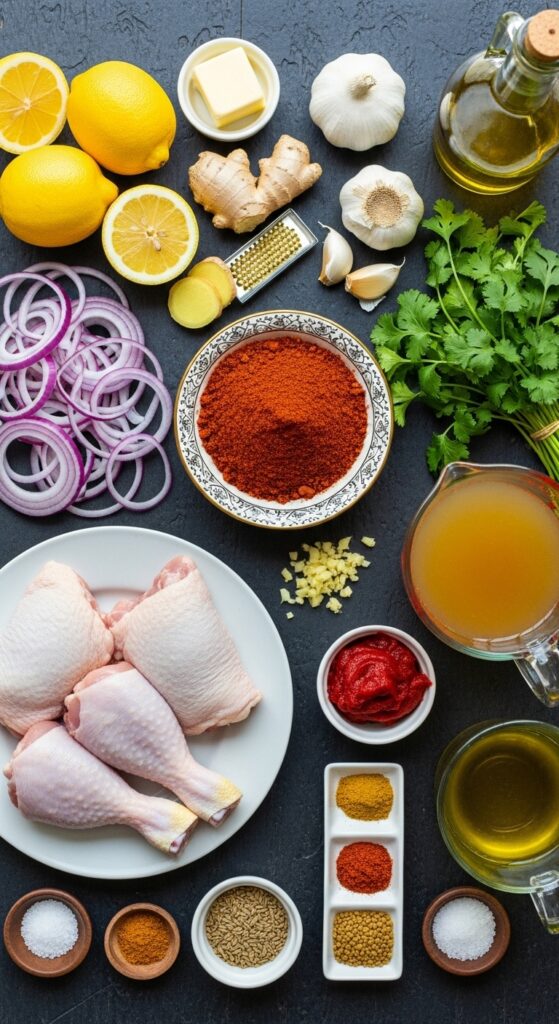
This recipe celebrates the berbere, using supporting ingredients to let its complexity shine.
For the Chicken & Marinade:
- 2 lbs bone-in, skin-on chicken thighs and drumsticks (or 1.5 lbs boneless thighs)
- 2 tbsp fresh lemon juice
- 1 tbsp olive oil
- 2 tbsp Berbere spice blend (see note below)
- 1 tsp kosher salt
- 3 cloves garlic, minced
For the Sauce & Aromatics:
- 1 large red onion, thinly sliced
- 1 tbsp fresh ginger, grated
- 3 cloves garlic, minced
- 1 tbsp tomato paste
- 1 cup low-sodium chicken broth or water
- 1 tbsp Berbere spice blend
- 2 tbsp unsalted butter or niter kibbeh (spiced Ethiopian clarified butter)
- Salt to taste
- 1 tbsp fresh lemon juice (to finish)
For Garnish:
- Fresh cilantro, chopped
- Lemon wedges
The Heart of the Dish: Berbere Spice
- Homemade Option: Combine 2 tbsp paprika, 1 tbsp cayenne (adjust for heat), 2 tsp each: cumin, fenugreek, coriander, ginger; 1 tsp each: black pepper, cardamom, allspice; ½ tsp each: cinnamon, cloves, nutmeg.
- Store-Bought: A quality, authentic berbere blend is ideal. Check African or international markets, or reputable online spice shops.
Smart Substitutions:
- Protein: Use chicken breasts (adjust cooking time), firm tofu, or chickpeas.
- Butter: For dairy-free, use olive oil or vegan butter.
- Heat Control: Reduce the berbere in the marinade or sauce by half, or choose a mild blend.
- Fresh Herbs: Substitute cilantro with parsley.
Timing
- Marinating Time: 30 minutes (minimum) to 4 hours (ideal)
- Preparation Time: 15 minutes
- Cooking Time: 35 minutes
- Total Time: 50 minutes (plus marinating)
While authentic Ethiopian stews (wats) simmer for hours, this Ethiopian Berbere Chicken recipe delivers intense flavor in about 50 minutes of active time—approximately 60% faster. The key is using a potent marinade and creating a quick, reduced pan sauce that captures the essence of the long-cooked original.
Step-by-Step Instructions

Step 1: Marinate the Chicken for Depth
In a large bowl, create a vibrant paste by mixing the 2 tablespoons of berbere spice with lemon juice, 1 tbsp olive oil, minced garlic, and salt. Add the chicken pieces and massage the paste thoroughly, ensuring every piece, especially under the skin, is coated. Cover and refrigerate for at least 30 minutes, or up to 4 hours. This allows the spices to penetrate and the acids to begin tenderizing the meat.
Step 2: Sear the Chicken to Lock in Flavor
Heat a large, heavy-bottomed skillet or Dutch oven over medium-high heat. Add a thin layer of oil. Once hot, add the chicken pieces skin-side down. Sear without moving for 5-7 minutes until the skin is deeply golden brown and crispy. Flip and sear the other side for 3-4 minutes. The berbere in the marinade will create a beautiful, dark crust. Remove chicken and set aside. Don’t worry about cooking it through; it will finish in the sauce.
Step 3: Build the Aromatic Sauce Base
In the same pot, reduce heat to medium. Add the sliced red onion and a pinch of salt. Cook, stirring occasionally, for 8-10 minutes until the onions are very soft, golden, and beginning to caramelize. This sweetness balances the berbere’s heat. Add the grated ginger and minced garlic, cooking for 60 seconds until fragrant. Push onions to the side, add the tomato paste to the center of the pot, and let it cook for 1 minute to sweeten.
Step 4: Bloom the Berbere and Deglaze
Sprinkle the remaining 1 tablespoon of berbere spice over the onions. Stir constantly for 30-45 seconds. You’ll smell the spices releasing their essential oils—this “blooming” is crucial for flavor depth. Immediately pour in the chicken broth, vigorously scraping up all the glorious browned bits (fond) from the bottom of the pot. This deglazing step incorporates the flavor from the seared chicken into your sauce.
Step 5: Simmer and Create the Final Sauce
Bring the sauce to a simmer. Nestle the seared chicken pieces back into the pot, along with any accumulated juices. Reduce heat to low, cover, and let it simmer gently for 15-20 minutes (less for boneless), until the chicken is cooked through and tender.
Step 6: Finish with Butter and Brightness
Once chicken is cooked, transfer it to a serving platter. Increase heat under the sauce to medium and let it bubble for 3-5 minutes to reduce and thicken slightly. Turn off the heat. Swirl in the butter or niter kibbeh until melted and emulsified into a glossy sauce. Stir in the final tablespoon of lemon juice. Taste and adjust salt. Pour the sauce over the chicken.
Step 7: Garnish and Serve Traditionally
Garnish the Ethiopian Berbere Chicken generously with fresh cilantro. Serve with lemon wedges on the side. The traditional and highly recommended way to enjoy it is to scoop it up with injera (Ethiopian sourdough flatbread), which soaks up the sauce beautifully.
Nutritional Information
Per Serving (based on 4 servings with bone-in chicken, including sauce):
| Nutrient | Amount | % Daily Value (DV) |
|---|---|---|
| Calories | 380 kcal | |
| Protein | 35g | 70% |
| Total Fat | 24g | 37% |
| Saturated Fat | 8g | 40% |
| Carbohydrates | 8g | 3% |
| Dietary Fiber | 2g | 8% |
| Sugars | 3g | |
| Iron | 3.8mg | 21% |
| Sodium | 720mg | 31% |
| Vitamin A | 45% DV | |
| Vitamin C | 20% DV |
Nutritional Highlights: This Ethiopian Berbere Chicken is an excellent source of protein and iron. The spices, particularly paprika and cayenne in the berbere, are rich in antioxidants like capsaicin and carotenoids. Using skinless chicken or removing the skin before eating can reduce fat and calorie content significantly.
Healthier Alternatives for the Recipe
Enjoy the explosive flavor while aligning with your health goals.
For a Leaner Dish:
- Use skinless, boneless chicken thighs or breasts.
- Omit the finishing butter and use just 1 tsp of oil to finish the sauce.
- Increase the proportion of sauce ingredients (onions, ginger, garlic) to make more volume without significantly increasing fat.
To Boost Fiber & Vegetables:
- Add 2 cups of chopped carrots or potatoes to the pot when you add the broth, letting them simmer with the chicken.
- Stir in 2 cups of fresh spinach or kale during the last 2 minutes of cooking.
- Serve over a bed of cauliflower rice instead of, or in addition to, injera.
For Dietary Adaptations:
- Whole30/Paleo: Ensure berbere blend has no additives. Use ghee or compliant oil instead of butter.
- Gluten-Free: The dish is naturally gluten-free. Ensure store-bought broth and berbere are certified GF.
- Low-Sodium: Use no-salt-added broth and reduce added salt, relying on the spice blend for flavor.
- Vegetarian/Vegan: Substitute chicken with extra-firm tofu (pressed and cubed) or 2 cans of chickpeas. Sear tofu as directed. Use vegetable broth.
Serving Suggestions
This chicken is the star, but it’s part of a traditional communal meal.
- The Authentic Experience: Serve family-style on a large platter lined with injera. Provide extra rolls of injera for guests to tear and use to scoop up the chicken and sauce with their hands.
- With Traditional Sides: Include a scoop of misir wot (spicy red lentil stew) or gomen (collard greens) on the same platter for a complete feast.
- Simple Modern Pairings: Serve over a bed of fluffy couscous, jasmine rice, or quinoa to soak up the sauce.
- With Cooling Contrast: A simple side salad of cucumber, tomato, and red onion with a lemon-dill dressing helps balance the warmth of the berbere.
Common Mistakes to Avoid
- Using Stale or Low-Quality Berbere: The spice blend is the heart of the dish. Old, pre-ground spices lose potency. Invest in a fresh, high-quality blend or make your own in small batches for the best flavor.
- Skipping the Onion Caramelization: Rushing this step robs the sauce of a critical sweet, umami base that balances the berbere’s heat and spice. Take the time to cook the onions until deeply golden.
- Not Blooming the Spices: Adding berbere directly to liquid without toasting it first in the oil/onion mixture results in a raw, dusty, one-dimensional spice flavor. The 30-second bloom is essential.
- Overcooking the Chicken: Bone-in thighs are forgiving, but boneless meat can dry out. Simmer just until cooked through (165°F internal temperature).
- Omitting the Acidic Finish: The final splash of lemon juice is not decorative. It brightens the entire dish, cuts through the richness, and lifts all the other flavors. Don’t skip it.
Storing Tips for the Recipe
- Refrigeration: Store leftovers in an airtight container in the refrigerator for up to 3 days. The flavors continue to meld and often taste even better the next day.
- Freezing: The cooked chicken and sauce freeze well for up to 2 months. Thaw overnight in the refrigerator.
- Reheating: Reheat gently in a covered saucepan over low heat, adding a splash of water or broth if the sauce has thickened too much. You can also reheat in the microwave, stirring occasionally.
- Meal Prep: The berbere spice mix can be made in advance and stored in an airtight container for months. You can also marinate the chicken overnight for deeper flavor penetration.
Conclusion
This Ethiopian Berbere Chicken delivers complex, warming flavors through a simple sear-and-simmer method. It’s an accessible introduction to Ethiopian cuisine, featuring crispy-skinned chicken in a rich, spiced sauce perfect for sharing.
We’d love to hear about your spice adventure! Try this Ethiopian Berbere Chicken and share your experience in the comments. Did you make your own berbere? What did you serve it with? Subscribe for more globally-inspired, flavor-packed recipes that bring the world to your table.
FAQs
What does berbere taste like?
Berbere is a complex, warm, and earthy spice blend. It’s primarily spicy (from chili peppers), but also has sweet notes (from spices like ginger, allspice, cinnamon), citrusy hints (from coriander), and a deep, savory backbone (from fenugreek and garlic). It’s aromatic, not just hot.
Where can I buy berbere spice?
You can find it in well-stocked grocery stores’ international aisles, African or Ethiopian markets, or from reputable online spice merchants like Penzeys or The Spice House.
Can I make this in a slow cooker or Instant Pot?
Yes.
- Slow Cooker: Sear chicken and sauté onions as per steps 2 & 3. Transfer everything to the slow cooker and cook on LOW for 4-5 hours.
- Instant Pot: Use Sauté function for steps 2 & 3. Add broth and chicken. Cook on High Pressure for 10 minutes (bone-in) or 6 minutes (boneless). Quick release, then use Sauté to reduce sauce and finish with butter/lemon.
My sauce is too spicy. How can I fix it?
Stir in a tablespoon of plain yogurt, a splash of cream, or a bit more butter to mellow the heat. Serving it with a bland starch like rice or injera also helps balance each bite.
What’s the difference between berbere and other spice blends?
Unlike curry powder (which often includes turmeric) or garam masala (sweeter, with more cardamom/cloves), berbere is unique for its significant heat level from dried chilies and its signature spice, fenugreek, which gives it a slightly maple-syrup-like aroma.
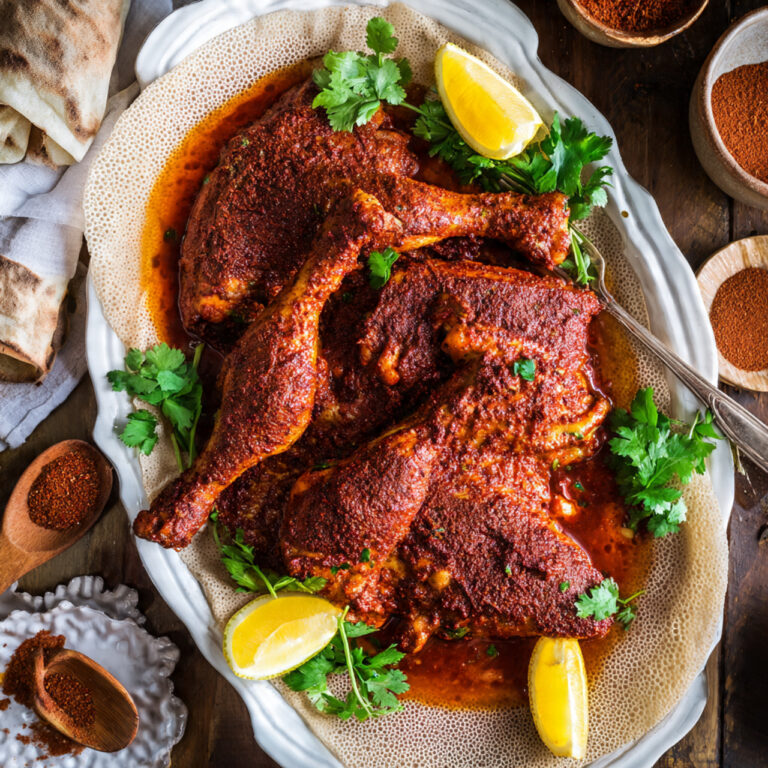
Ethipian berbere chicken
Discover the magic of Ethiopian cuisine with this authentic Berbere Chicken recipe! Featuring over 15 aromatic spices in the signature berbere blend, this dish delivers crispy-skinned chicken in a rich, warming sauce that’s earthy, spicy, and citrusy. Ready in 50 minutes (60% faster than traditional Ethiopian stews), this globally-inspired recipe is perfect for weeknights yet impressive enough for entertaining. Serve traditionally with injera flatbread or over rice for an unforgettable meal that brings East African flavors to your table!
- Total Time: 50 minutes
- Yield: 4 servings
Ingredients
For the Chicken & Marinade:
- 2 lbs bone-in, skin-on chicken thighs and drumsticks (or 1.5 lbs boneless thighs)
- 2 tablespoons fresh lemon juice
- 1 tablespoon olive oil
- 2 tablespoons berbere spice blend
- 1 teaspoon kosher salt
- 3 cloves garlic, minced
For the Sauce & Aromatics:
- 1 large red onion, thinly sliced
- 1 tablespoon fresh ginger, grated
- 3 cloves garlic, minced
- 1 tablespoon tomato paste
- 1 cup low-sodium chicken broth or water
- 1 tablespoon berbere spice blend
- 2 tablespoons unsalted butter or niter kibbeh (Ethiopian spiced clarified butter)
- Salt to taste
- 1 tablespoon fresh lemon juice (to finish)
For Garnish:
- Fresh cilantro, chopped
- Lemon wedges
Homemade Berbere Spice (Optional):
- 2 tablespoons paprika
- 1 tablespoon cayenne pepper (adjust for heat)
- 2 teaspoons ground cumin
- 2 teaspoons ground fenugreek
- 2 teaspoons ground coriander
- 2 teaspoons ground ginger
- 1 teaspoon black pepper
- 1 teaspoon ground cardamom
- 1 teaspoon ground allspice
- ½ teaspoon ground cinnamon
- ½ teaspoon ground cloves
- ½ teaspoon ground nutmeg
Instructions
Step 1: Marinate the Chicken In a large bowl, create a paste by mixing 2 tablespoons berbere spice with lemon juice, 1 tablespoon olive oil, minced garlic, and salt. Add chicken pieces and massage the paste thoroughly, ensuring every piece is coated, especially under the skin. Cover and refrigerate for at least 30 minutes, or up to 4 hours for deeper flavor.
Step 2: Sear the Chicken Heat a large, heavy-bottomed skillet or Dutch oven over medium-high heat. Add a thin layer of oil. Once hot, add chicken pieces skin-side down. Sear without moving for 5-7 minutes until skin is deeply golden brown and crispy. Flip and sear the other side for 3-4 minutes. The berbere will create a beautiful dark crust. Remove chicken and set aside.
Step 3: Build the Aromatic Base In the same pot, reduce heat to medium. Add sliced red onion and a pinch of salt. Cook, stirring occasionally, for 8-10 minutes until onions are very soft, golden, and beginning to caramelize. Add grated ginger and minced garlic, cooking for 60 seconds until fragrant. Push onions to the side, add tomato paste to the center, and cook for 1 minute.
Step 4: Bloom the Berbere Sprinkle the remaining 1 tablespoon berbere spice over the onions. Stir constantly for 30-45 seconds until spices release their essential oils—this “blooming” is crucial for flavor depth. Immediately pour in chicken broth, vigorously scraping up all browned bits from the bottom of the pot.
Step 5: Simmer the Chicken Bring sauce to a simmer. Nestle seared chicken pieces back into the pot with any accumulated juices. Reduce heat to low, cover, and simmer gently for 15-20 minutes (less for boneless) until chicken is cooked through and tender (165°F internal temperature).
Step 6: Finish the Sauce Transfer cooked chicken to a serving platter. Increase heat to medium and let sauce bubble for 3-5 minutes to reduce and thicken. Turn off heat. Swirl in butter or niter kibbeh until melted and emulsified into a glossy sauce. Stir in final tablespoon of lemon juice. Taste and adjust salt. Pour sauce over chicken.
Step 7: Garnish and Serve Garnish generously with fresh cilantro. Serve with lemon wedges. The traditional way to enjoy is scooping with injera (Ethiopian sourdough flatbread), which beautifully soaks up the sauce.
Notes
- Berbere Spice: Use quality store-bought berbere from African markets or online spice shops, or make your own using the recipe provided. Fresh spices make all the difference.
- Niter Kibbeh: Ethiopian spiced clarified butter adds authentic flavor. Substitute with regular butter, ghee, or olive oil for dairy-free.
- Heat Control: Reduce berbere by half in marinade or sauce if you prefer milder heat, or choose a mild berbere blend.
- Make Ahead: Berbere spice mix stores for months in an airtight container. Marinate chicken overnight for deeper flavor.
- Slow Cooker Method: Sear chicken and sauté onions, then transfer to slow cooker. Cook on LOW for 4-5 hours.
- Instant Pot Method: Use Sauté function for steps 2-3. Add broth and chicken. Cook on High Pressure for 10 minutes (bone-in) or 6 minutes (boneless). Quick release, then reduce sauce.
- Too Spicy Fix: Stir in plain yogurt, cream, or extra butter to mellow heat. Serve with bland starches like rice or injera.
- Vegetarian Option: Substitute chicken with extra-firm tofu (pressed and cubed) or 2 cans chickpeas. Use vegetable broth.
- Add Vegetables: Include 2 cups chopped carrots or potatoes when adding broth, or stir in spinach/kale during last 2 minutes.
- Don’t Skip: The onion caramelization, spice blooming, and final lemon juice are essential steps—don’t rush or omit them!
- Prep Time: 15 minutes
- Cook Time: 35 minutes
- Category: Main Course
- Method: Pan Searing
- Cuisine: Ethiopian
- Diet: High Protein