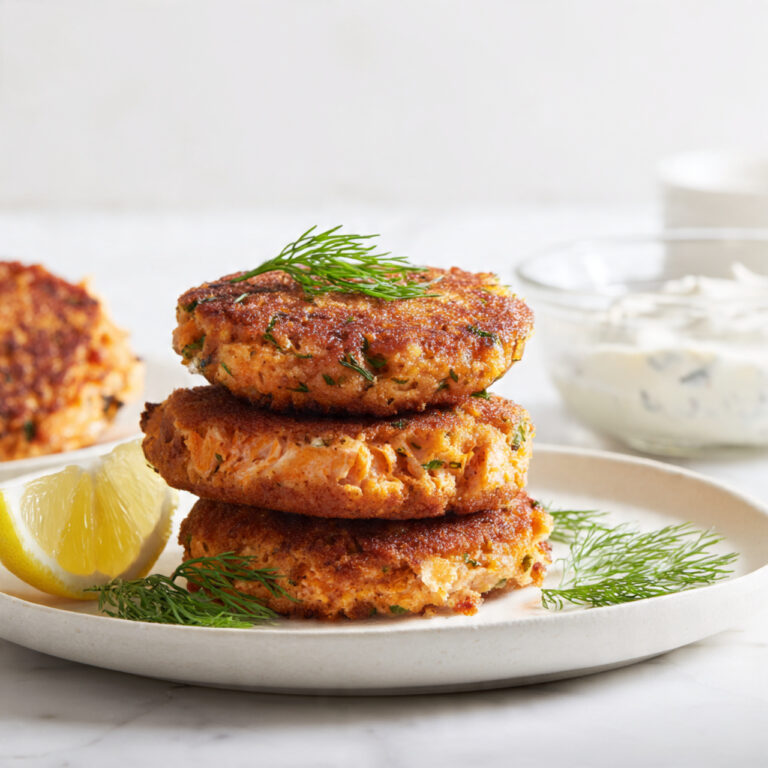
Flavorful Salmon Cakes
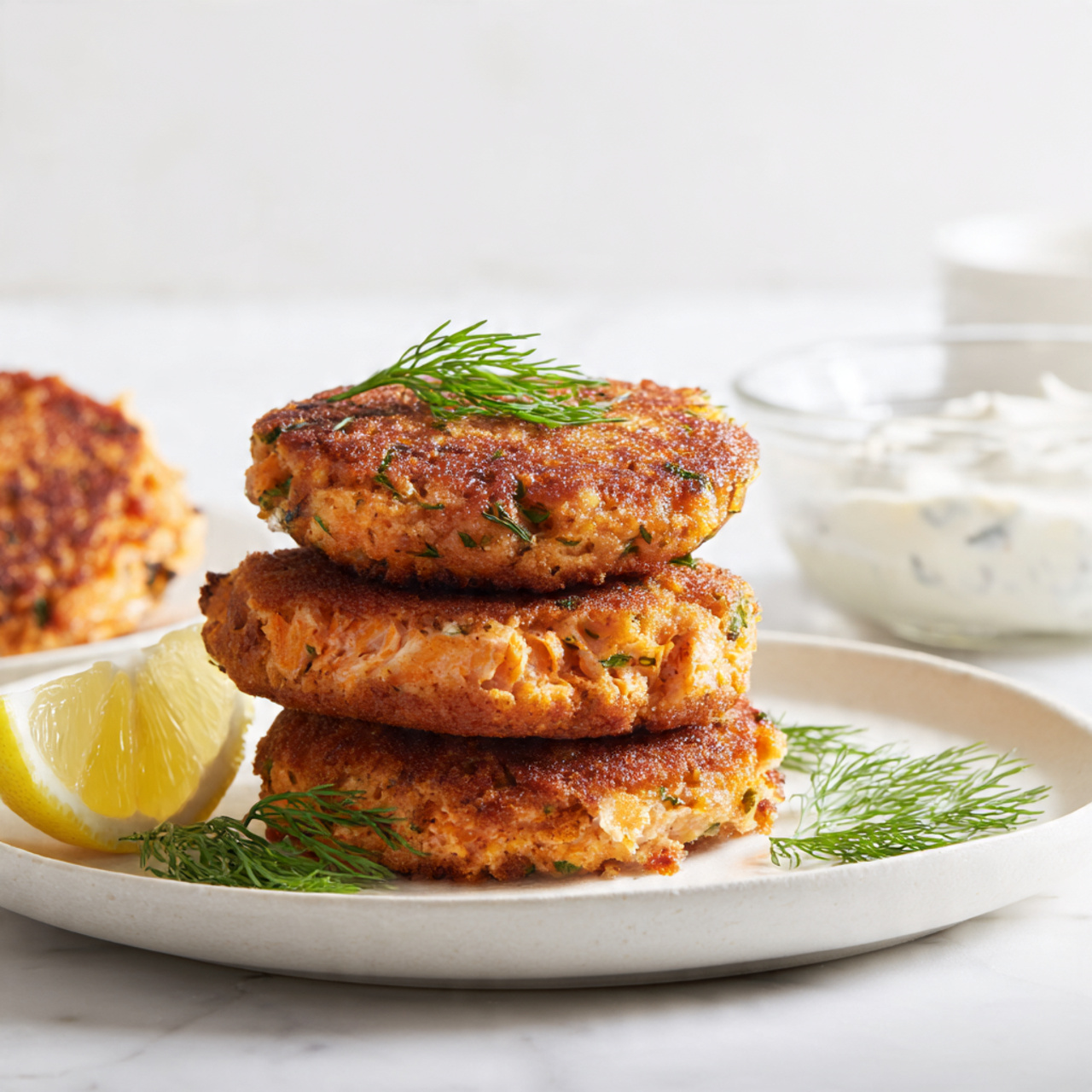
Did you know that despite the common perception that fresh is always superior, canned salmon can actually contain up to 20 times more calcium than its fresh counterpart?. This surprising statistic challenges the “fresh or nothing” mindset and opens the door to a pantry staple that is as nutritious as it is convenient.
Whether you are using fresh fillets or high-quality tinned wild salmon, these Flavorful Salmon Cakes offer a gold mine of Omega-3 fatty acids, providing over 2.5g of EPA and DHA per serving to support heart and brain health.
Table of Contents
Ingredients List

Creating the perfect patty requires a balance of “binder” and “brightener” to ensure every bite is flaky yet firm. Here is what you will need for these zesty, golden-brown delights:
- Salmon (1 lb): You can use fresh-baked fillets or two 6oz cans of wild-caught pink salmon (drained). If using canned, look for “traditional” packs with bones included for a 20% DV calcium boost.
- Panko Breadcrumbs (1/2 cup): These Japanese-style crumbs are larger and airier than traditional breadcrumbs, creating a superior “crunch factor”.
- Egg (1 large): The primary protein binder that ensures your patties don’t crumble in the pan.
- Dijon Mustard (1 tbsp): Adds a sophisticated tang and acts as a secondary binding agent.
- Greek Yogurt or Mayo (2 tbsp): Provides the necessary moisture to prevent a dry, “bready” texture.
- Fresh Aromatics: Finely diced red onion, minced garlic, and chopped fresh dill or parsley for a burst of herbal freshness.
- Seasoning: A dash of Old Bay, lemon zest, salt, and freshly cracked black pepper.
Substitution Tip: For a gluten-free version, swap Panko for almond flour or crushed gluten-free crackers. If you are looking for a vegan binder, a “flax egg” (1 tbsp ground flaxseed + 3 tbsp water) works effectively.
Timing
Efficiency is the hallmark of this recipe, making it a “weekday hero” that feels like a weekend luxury.
- Preparation Time: 15 minutes
- Chilling Time (Optional but Recommended): 30 minutes
- Cooking Time: 8 minutes (4 minutes per side)
- Total Time: ~53 minutes
While a traditional seafood boil or whole-roasted salmon can take over an hour, these cakes are ready to serve in roughly half the time of a standard roast.
Step-by-Step Instructions
Step 1: Prep the Salmon
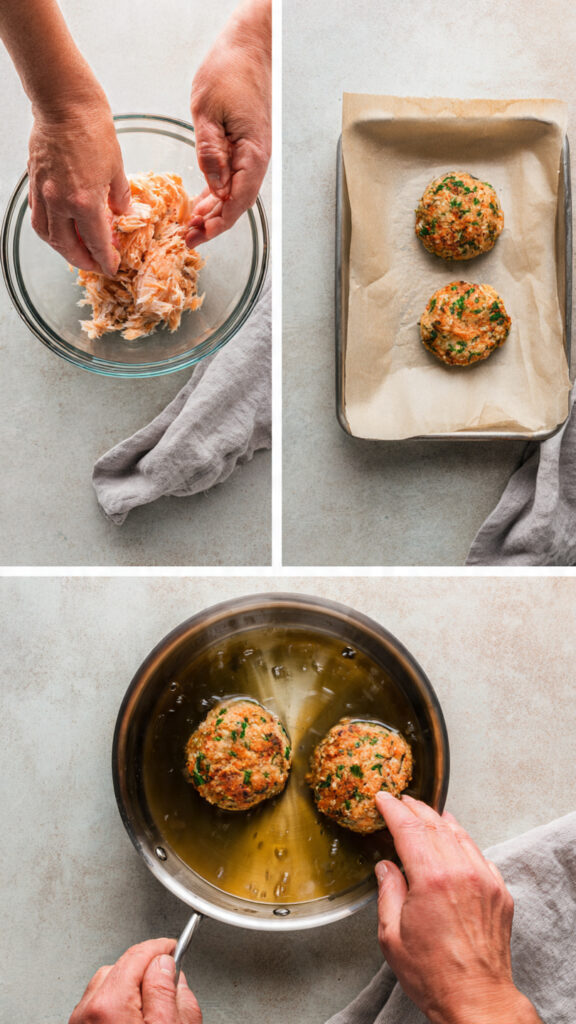
If using fresh salmon, bake it at 350°F (175°C) for 10-15 minutes until just opaque, then flake it gently with a fork. If using canned salmon, drain the liquid thoroughly and flake it in a large bowl, ensuring the soft, edible bones are well-incorporated for maximum nutrition.
Step 2: Mix the Aromatics and Binders
In a small bowl, whisk together the egg, Dijon mustard, Greek yogurt (or mayo), lemon zest, and seasonings. This ensures the flavor is evenly distributed before you add the delicate fish. Fold in the finely diced onions and fresh herbs.
Step 3: Combine and Fold
Add the flaked salmon and Panko breadcrumbs to the wet mixture. Use a rubber spatula to gently fold everything together. Pro Tip: Avoid over-mixing; you want distinct flakes of salmon rather than a homogeneous paste to maintain that signature “seafood cake” texture.
Step 4: Shape and Chill
Form the mixture into 6 to 8 equal-sized patties, about 1 inch thick. Place them on a parchment-lined tray and chill in the refrigerator for 30 minutes. This cold rest allows the Panko to hydrate and the proteins in the egg to set, preventing the cakes from falling apart during the flip.
Step 5: The Perfect Sear
Heat 1-2 tablespoons of high-smoke-point oil (like avocado or grapeseed oil) in a heavy skillet over medium heat. Once the oil shimmers, add the salmon cakes, leaving space between them. Sear for 3-4 minutes per side until a deep golden-brown crust forms.
Nutritional Information
Salmon is widely recognized as a “superfood” due to its high concentration of long-chain Omega-3s. A 2025 study highlighted that high intake of these fatty acids is associated with a 23% reduction in CVD-specific mortality.
Healthier Alternatives for the Recipe
Adapting your Flavorful Salmon Cakes for different dietary needs is simple with these evidence-based swaps:
- The Low-Carb Swap: Replace the breadcrumbs with crushed pork rinds or almond flour. This keeps the net carbs under 2g per cake while maintaining a crispy exterior.
- The “Whole30” Version: Use compliant mayonnaise (avocado oil-based) and omit the breadcrumbs entirely, using an extra egg and finely minced celery for crunch.
- Air-Fried Alternative: For a “no-oil” finish, air-fry the patties at 375°F (190°C) for 10-12 minutes. This reduces added fats while still achieving a remarkably crisp texture.
- Vegetable Boost: Fold in 1/2 cup of finely grated zucchini (squeezed dry) or riced cauliflower to increase fiber and micronutrient density.
Serving Suggestions
Presentation is just as important as the sear. These cakes are incredibly versatile and can be dressed up or down:
- The “Classic Bistro”: Serve over a bed of baby arugula tossed in a light lemon-caper vinaigrette. The peppery greens cut through the richness of the salmon.
- The Breakfast Twist: Top a warm salmon cake with a poached egg and a dollop of hollandaise sauce for a “Seafood Benedict”.
- Salmon Sliders: Place patties on toasted brioche buns with spicy remoulade and pickled red onions for a sophisticated appetizer.
- Creamy Dipping Sauce: Mix 1/4 cup Greek yogurt with 1 tsp horseradish, fresh dill, and lemon juice for a high-protein, low-calorie dip.
Common Mistakes to Avoid
Even seasoned cooks can run into trouble with seafood patties. Avoid these common pitfalls to ensure success:
- Using a Cold Pan: If you place the cakes in oil that hasn’t reached the “shimmering” point, they will absorb the oil and become greasy rather than crisp.
- Too Much Moisture: If your mixture feels like “wet sand,” it will fall apart. Ensure your canned salmon is drained extremely well, and if using fresh, don’t over-drizzle it with oil during the initial bake.
- Skipping the Chill: Chilling isn’t just a suggestion; it’s a structural necessity. Chilled patties hold their shape 40% better during the flipping process than room-temperature ones.
- Flipping Too Soon: Let the crust develop. If the cake resists when you try to slide a spatula under it, it needs another 30–60 seconds to “release” from the pan naturally.
Storing Tips for the Recipe
Salmon cakes are excellent for meal prep as they maintain their structure well after cooling.
- Refrigeration: Store cooked cakes in an airtight container for up to 3 days.
- Freezing: You can freeze raw, shaped patties for up to 3 months. Wrap each cake individually in plastic wrap before placing them in a freezer bag to prevent freezer burn.
- Reheating: To maintain the crunch, reheat in a toaster oven or air fryer at 350°F (175°C) for 5 minutes. Avoid the microwave, as it will make the breadcrumbs soggy.
Conclusion
These Flavorful Salmon Cakes are a nutrient-dense, high-protein solution for any meal of the day. By leveraging pantry staples and smart cooking techniques like chilling and high-heat searing, you can enjoy a gourmet seafood dinner in under an hour. We invite you to try this recipe tonight and share your results in the comments—don’t forget to subscribe for more macro-friendly kitchen hacks!
FAQs
1. Can I use frozen salmon for this recipe?
Yes, but ensure it is completely thawed and patted dry with paper towels before cooking. Excess moisture is the enemy of a firm salmon cake.
2. Is it safe to eat the bones in canned salmon?
Absolutely. The canning process pressure-cooks the fish until the bones are soft enough to be crushed between your fingers. They are an excellent source of calcium and phosphorus.
3. Why do my salmon cakes keep falling apart?
This usually happens because the binder-to-filler ratio is off or the chilling step was skipped. If the mix feels too loose, add an extra tablespoon of Panko; if it’s too dry, add a teaspoon of Greek yogurt.
4. What is the best oil for frying salmon cakes?
Oils with high smoke points like avocado, grapeseed, or light olive oil are best. Avoid butter for the initial sear as the solids will burn before the cake is fully cooked through.
Flavorful Salmon Cakes
These Flavorful Salmon Cakes are a nutrient-dense, high-protein solution for a quick gourmet dinner. By using a blend of Panko for crunch and Greek yogurt for moisture, these patties stay flaky on the inside with a perfect golden sear on the outside. Packed with over 2.5g of heart-healthy Omega-3s, they are as good for your brain as they are for your taste buds.
- Total Time: 53 Minutes
- Yield: 4 Servings
Ingredients
- 1 lb (450g) Salmon (fresh cooked or 2 cans wild-caught)
- 1/2 cup Panko Breadcrumbs
- 1 large Egg, beaten
- 1 tbsp Dijon Mustard
- 2 tbsp Greek Yogurt (or Mayonnaise)
- 1/4 cup Red Onion, finely diced
- 2 tbsp Fresh Dill or Parsley, chopped
- 1 tsp Lemon Zest
- 1/2 tsp Old Bay Seasoning (or paprika/salt mix)
- 2 tbsp Avocado Oil (for frying)
Instructions
- Prep the Fish: Flake your cooked or drained canned salmon into a large mixing bowl.
- Mix Binders: In a separate small bowl, whisk together the egg, mustard, yogurt, lemon zest, and seasonings.
- Combine: Pour the wet mixture over the salmon. Add the diced onion, fresh herbs, and Panko. Fold gently with a spatula until just combined—do not over-mix!
- Form Patties: Shape the mixture into 8 equal-sized patties, about 1-inch thick.
- Chill (Crucial Step): Place patties on a parchment-lined plate and refrigerate for 30 minutes. This prevents them from falling apart in the pan.
- Sear: Heat oil in a large skillet over medium heat. Fry the cakes for 3-4 minutes per side until deep golden brown and crispy.
- Serve: Serve warm with lemon wedges and a side of creamy dill sauce.
Notes
- Pantry Hack: Canned salmon is often higher in calcium than fresh because the bones are softened and edible.
- Gluten-Free: Swap Panko for almond flour or crushed GF crackers.
- Air Fryer Option: Spray with oil and cook at 375°F (190°C) for 10-12 minutes, flipping halfway.
- Prep Time: 15 Minutes
- Cook Time: 8 Minutes
- Category: Appetizer, Main Course
- Method: Pan-Seared, Skillet
- Cuisine: American
- Diet: High Protein, Pescatarian