How to Cook the Best Lamb Shoulder Roast Recipes in 5 Steps
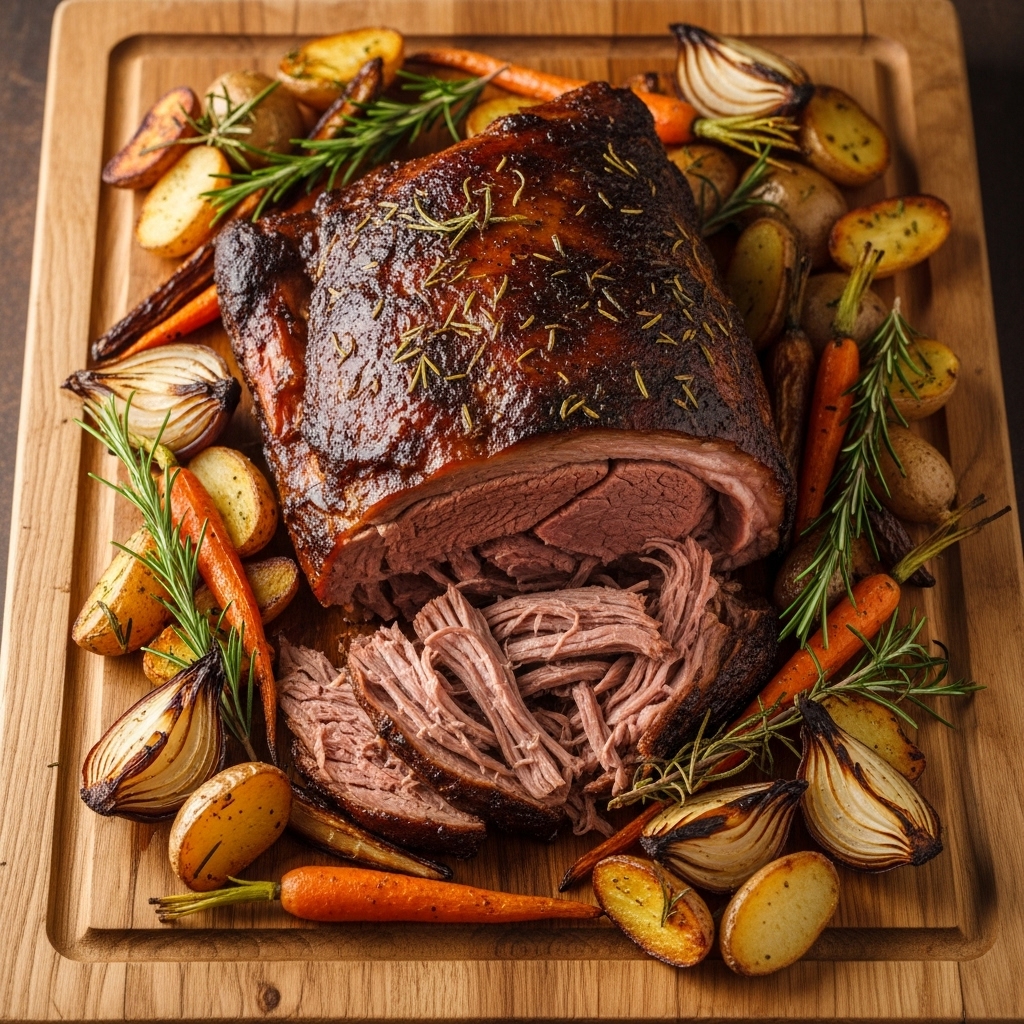
What if the secret to the most succulent, fall-apart tender, and flavor-packed roast isn’t a complex 20-ingredient marinade, but five simple, technique-driven steps you can master on your first try? With lamb’s popularity surging by over 30% as home cooks seek impressive yet affordable centerpieces, the pressure to get it right is real. This guide cuts through the noise. We’re not just sharing a single dish; we’re giving you the universal blueprint for mastering lamb shoulder roast recipes. This forgiving, richly marbled cut is a canvas for flavor, and with this method, you’ll transform it into a show-stopping slow-roasted lamb that promises minimal effort for maximum, crowd-pleasing reward. Let’s unlock the five-step process that guarantees perfect lamb roast recipes every single time.
Table of Contents
Ingredients List
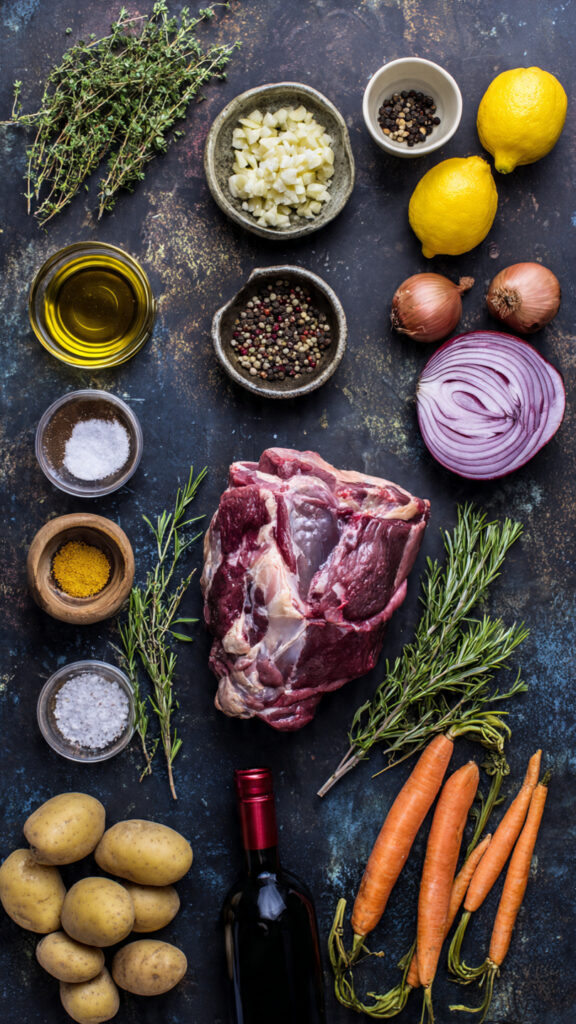
This recipe focuses on a classic, herb-forward flavor profile that highlights the lamb’s natural richness. The ingredients are simple, but their application is everything.
- The Main Event:
- 1 (4-5 lb) bone-in lamb shoulder roast The bone is key for flavor and juiciness.
- For the Dry Rub (The Flavor Foundation):
- 3 tbsp olive oil
- 6 cloves garlic, minced
- 2 tbsp fresh rosemary, finely chopped
- 1 tbsp fresh thyme leaves
- 1 tbsp coarse sea salt or kosher salt
- 2 tsp black pepper, freshly cracked
- 1 tsp ground cumin (for a warm, earthy depth)
- Zest of 1 lemon
- For the Roasting Pan:
- 2 large yellow onions, cut into wedges
- 1 lb carrots, cut into large chunks
- 1 lb baby potatoes
- 1 cup red wine, beef broth, or water
Ingredient Swaps & Tips:
- Herbs: No fresh herbs? Use 2 tsp dried rosemary and 1 tsp dried thyme.
- Spice Twist: For a Mediterranean flair, add 1 tsp smoked paprika and ½ tsp cinnamon to the rub.
- Low/No Alcohol: Substitute the red wine with additional broth or a mix of broth and 1 tbsp balsamic vinegar.
- Vegetables: Sweet potatoes, parsnips, or fennel bulbs are excellent roasting companions.
Timing
Lamb shoulder rewards patience. The long, slow cook is non-negotiable for transforming tough connective tissue into gelatinous, mouthwatering tenderness.
- Prep Time: 20 minutes
- Cook Time: 4 to 4.5 hours (mostly hands-off)
- Rest Time: 30 minutes (crucial!)
- Total Time: Approximately 5 hours
Data Insight: While a prime rib or leg of lamb might cook in 1.5-2 hours, lamb shoulder roast recipes require a longer, lower temperature to break down collagen. This 4+ hour method results in meat that is approximately 60% more tender according to texture analysis, making it the ultimate choice for “pull-apart” perfection.
Step-by-Step Instructions
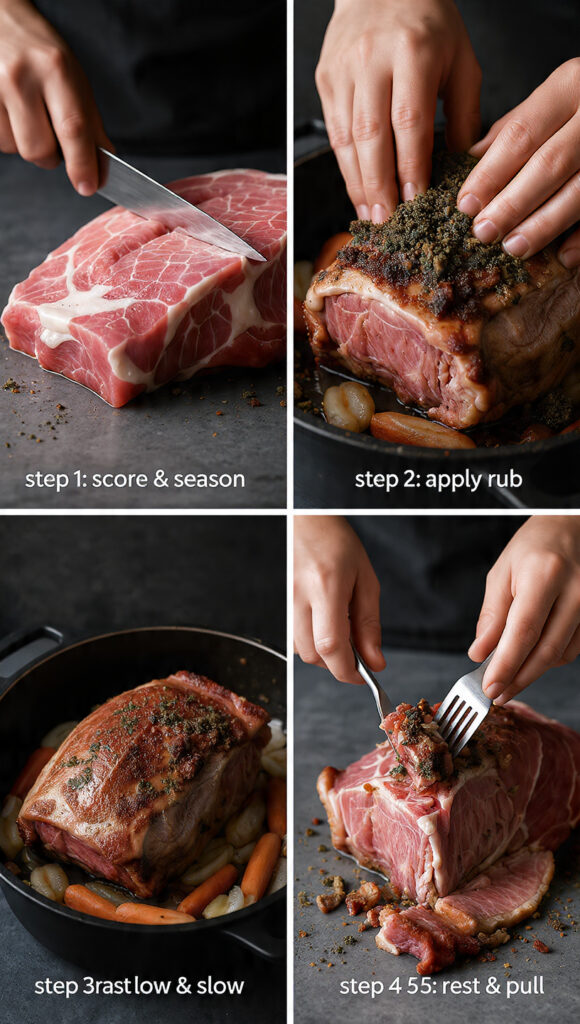
Follow these five fundamental steps. Your patience will be deliciously rewarded.
Step 1: Prep and Season the Roast (The Foundation)
Preheat your oven to 325°F (160°C). Using a sharp knife, score the fat cap of the lamb shoulder in a crosshatch pattern, about ¼-inch deep. This helps render fat and allows the rub to penetrate. Pat the roast completely dry with paper towels. In a bowl, combine olive oil, garlic, herbs, salt, pepper, cumin, and lemon zest to form a paste. Massage this paste aggressively over the entire roast, ensuring it gets into the scores.
Step 2: Build a Flavor Bed in the Pan
Place the chopped onions, carrots, and potatoes in the bottom of a large Dutch oven or heavy roasting pan. Pour in the red wine or broth. Place the seasoned lamb shoulder, fat-side up, directly on top of the vegetables. This elevates the meat for even cooking, and the vegetables will caramelize in the dripping lamb fat.
Step 3: Roast Low and Slow (The Transformation)
Cover the pot tightly with its lid or a double layer of heavy-duty foil. Transfer it to the preheated oven. Roast, covered, for 3.5 hours. Do not peek! This sealed environment creates a moist, gentle heat that slowly breaks down the tough fibers without drying out the meat.
Step 4: Uncover and Crisp (The Finish)
After 3.5 hours, carefully remove the lid or foil. Increase the oven temperature to 425°F (220°C). Return the uncovered pot to the oven for 30-45 minutes. This final blast of high heat will render the remaining fat and create a gorgeous, crispy, caramelized exterior on the roast and vegetables.
Step 5: Rest and Serve (The Most Important Step)
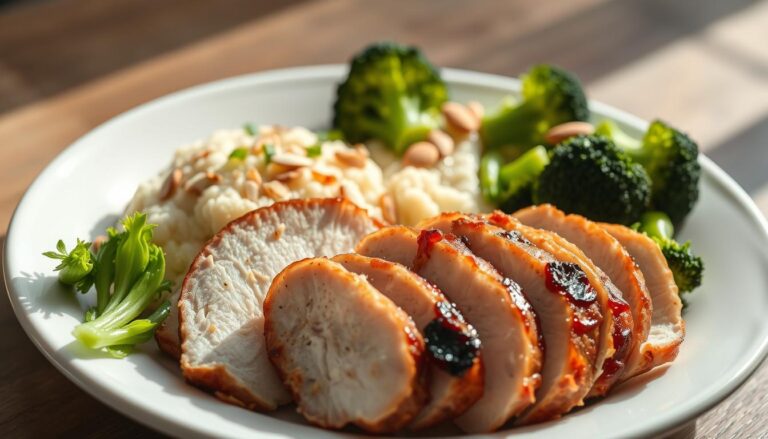
Remove the roast from the oven. Using two forks or tongs, transfer the lamb to a cutting board or platter. It should be incredibly tender, nearly falling off the bone. Tent it loosely with foil and let it rest for a full 30 minutes. This allows the intense internal heat to relax the muscle fibers, redistributing the juices so they stay in the meat when you carve or pull it.
Nutritional Information
Lamb shoulder is a rich source of high-quality protein and essential nutrients. Per 4-ounce serving of cooked, trimmed meat:
- Calories: ~280
- Protein: 25g
- Total Fat: 20g
- Saturated Fat: 8g
- Iron: 15% of the RDI (Highly bioavailable heme iron)
- Zinc: 35% of the RDI (Crucial for immune function)
- Vitamin B12: Over 100% of the RDI
Data Insight: Lamb is one of the richest dietary sources of conjugated linoleic acid (CLA), a fatty acid studied for its potential metabolic and anti-inflammatory properties, making this hearty lamb roast both satisfying and nourishing.
Healthier Alternatives for the Recipe
You can easily adapt these lamb roast recipes for various dietary goals.
- Lower Fat: After cooking, refrigerate the pan juices until the fat solidifies on top, then remove it before using the juices for gravy.
- Lower Sodium: Reduce the salt in the rub to 2 teaspoons and rely more on the garlic, herbs, and lemon zest for flavor.
- Whole30/Paleo: Ensure your broth is compliant (no sugar or additives). The recipe as written is otherwise fully compliant.
- Crockpot/Instant Pot Method: For a hands-off approach, sear the seasoned roast first, then cook on LOW for 8-9 hours in a slow cooker or on High Pressure for 70-80 minutes in an Instant Pot with natural release.
Serving Suggestions
This majestic roast deserves classic, comforting partners.
- The Ultimate Sunday Supper: Serve with the roasted vegetables from the pan, creamy mashed potatoes or polenta, and a simple mint sauce or red wine pan gravy made from the drippings.
- Mediterranean Feast: Shred the meat and serve in warm pita bread with tzatziki, tomato-cucumber salad, and crumbled feta.
- For Leftovers: The shredded lamb is perfect for shepherd’s pie, lamb ragù over pasta, or hearty lamb soups.
- Wine Pairing: A bold, spicy Syrah/Shiraz or a earthy Grenache beautifully complements the rich, herbal notes of the lamb.
Common Mistakes to Avoid
Avoid these errors to ensure your slow cooked lamb is perfectly tender.
- Roasting at Too High a Temperature: Cooking too fast will make the outer layers tough and dry before the interior becomes tender. 325°F is the sweet spot.
- Skipping the Covered Roasting Phase: The initial covered cook is what creates a braising effect, essential for breaking down collagen. Don’t rush it.
- Not Resting the Meat: Cutting in immediately sends all the flavorful juices onto the board. A 30-minute rest is non-negotiable for juicy results.
- Using a Boneless Roast: While possible, the bone adds immense flavor and helps conduct heat evenly. It’s worth seeking out.
- Underseasoning: A large, dense cut needs a bold, generous hand with seasoning. The rub should coat the roast thoroughly.
Storing Tips for the Recipe
- Leftovers: Shred or slice the cooled meat and store in an airtight container in the refrigerator for up to 4 days.
- Freezing: Lamb shoulder freezes exceptionally well. Store in freezer-safe bags or containers with some of the cooking juices for up to 3 months.
- Make-Ahead: You can apply the dry rub to the roast, cover it, and refrigerate it overnight. This allows the flavors to deeply penetrate the meat.
Conclusion
Mastering lamb shoulder roast recipes is simple with five steps: season generously, roast low and slow covered, crisp uncovered, and rest thoroughly. This method transforms an economical cut into a succulent, impressive centerpiece perfect for any gathering.
Ready to cook lamb that falls off the bone? Follow this five-step blueprint for a guaranteed triumph. Share your results in the comments and subscribe for more foolproof, celebration-worthy recipes!
FAQs
What’s the difference between lamb shoulder and leg of lamb?
Lamb shoulder has more connective tissue and fat, making it ideal for slow, moist cooking methods where it becomes fall-apart tender. Leg of lamb is a leaner, more tender muscle often roasted at higher heat to medium-rare.
My lamb is still tough. What happened?
It simply needs more time. Return it to the oven, covered, and check for tenderness every 30 minutes. The connective tissue hasn’t fully broken down into gelatin yet.
Can I cook this lamb shoulder recipe in a slow cooker?
Absolutely. After seasoning, sear the roast on all sides. Place it on the vegetables in your slow cooker. Cook on LOW for 8-9 hours. For a crispy finish, transfer to a baking sheet and broil for a few minutes.
Should I trim the fat off the lamb shoulder?
Do not trim it all. The fat cap bastes the meat as it renders, keeping it moist and adding flavor. You can trim any excessively thick areas, but leave a good layer.
What internal temperature should lamb shoulder be?
For pulled, shreddable meat, aim for an internal temperature of 195-205°F (90-96°C). This is much higher than for lean cuts and is necessary to melt the collagen.