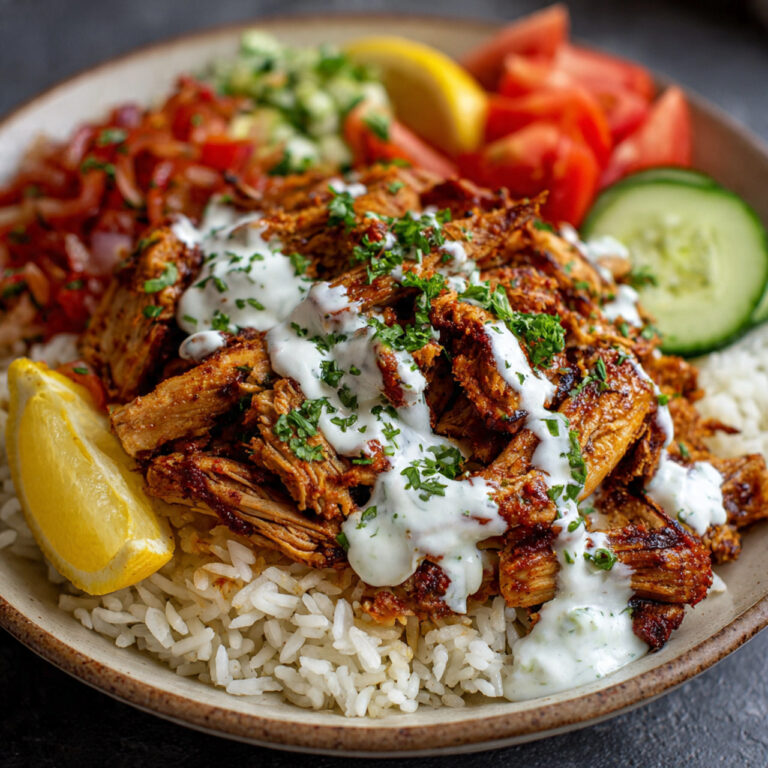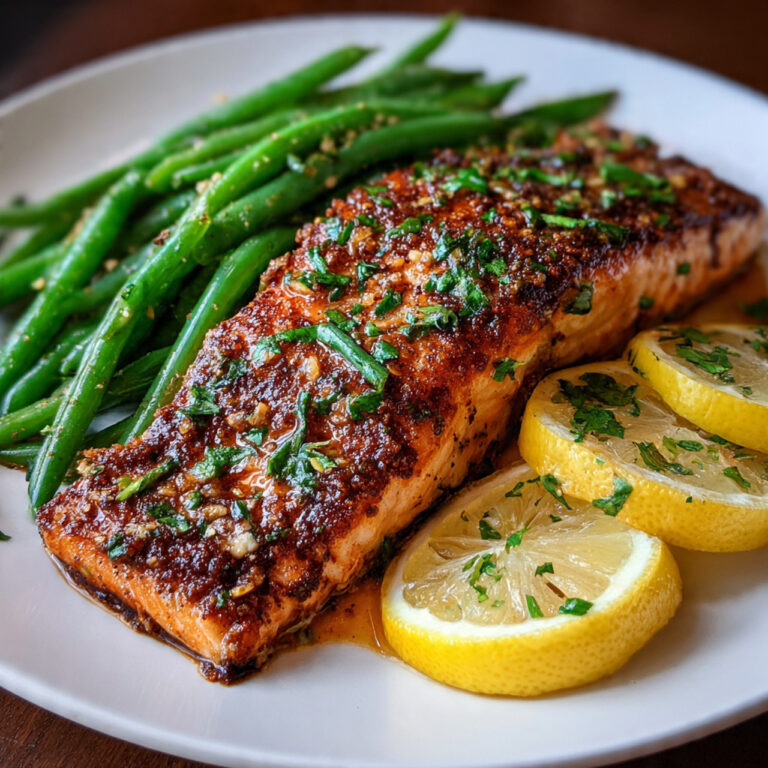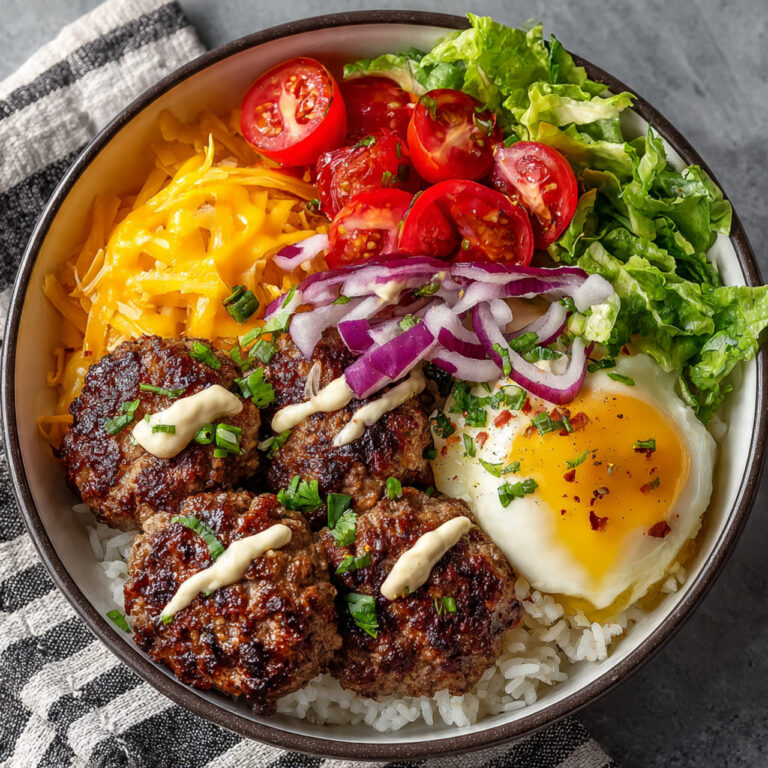
miso chicken recipe 5 easy steps to rich umami dinner
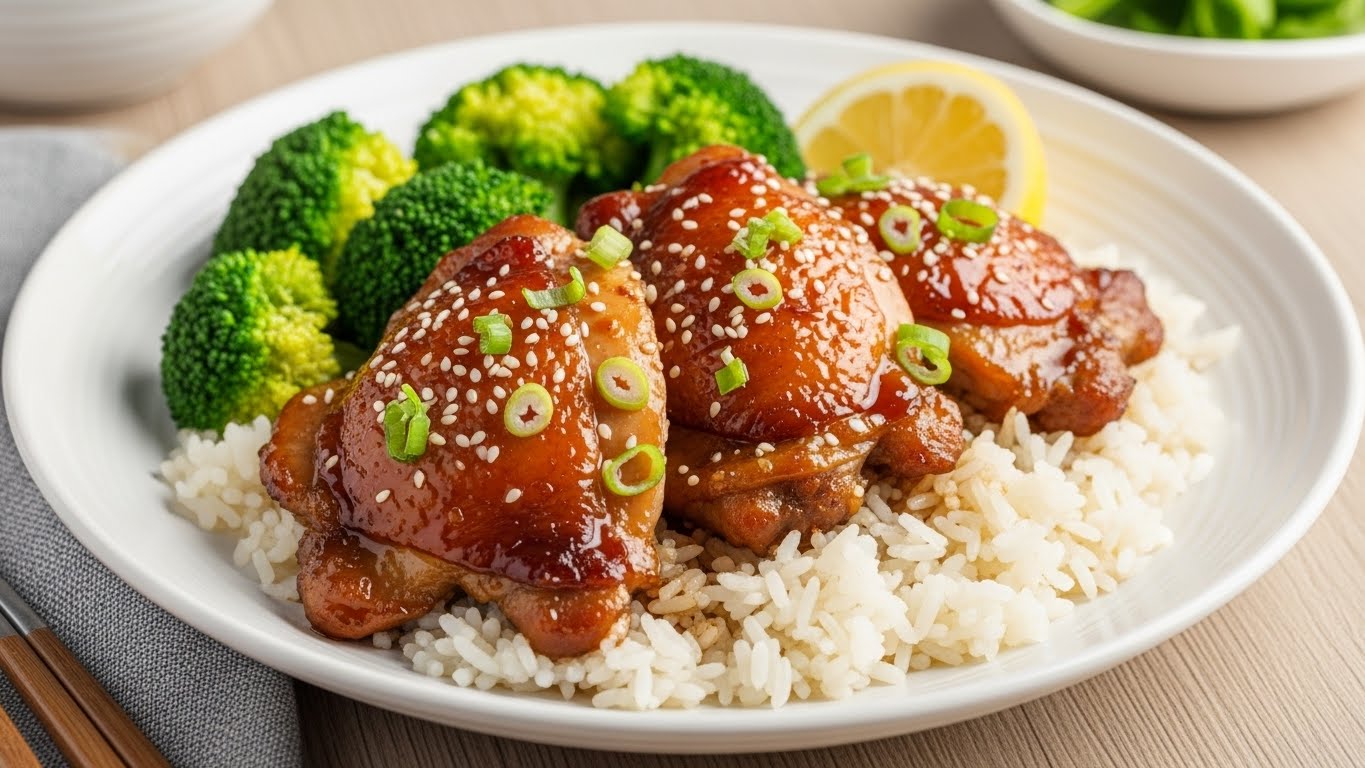
Did you know the average home cook spends only about 37 minutes making dinner, yet most people think restaurant-style Japanese dishes take twice as long? This miso chicken recipe proves the opposite: in under an hour, you can get a rich, umami-packed meal that tastes like it came from your favorite izakaya.
Miso, a fermented soybean paste, is loaded with natural umami and used across Japanese cooking to transform simple ingredients into deeply savory dishes. In this miso chicken recipe, we pair a bold miso marinade with juicy chicken thighs, then bake them to caramelized perfection for an easy weeknight dinner that feels special.
Ingredients List
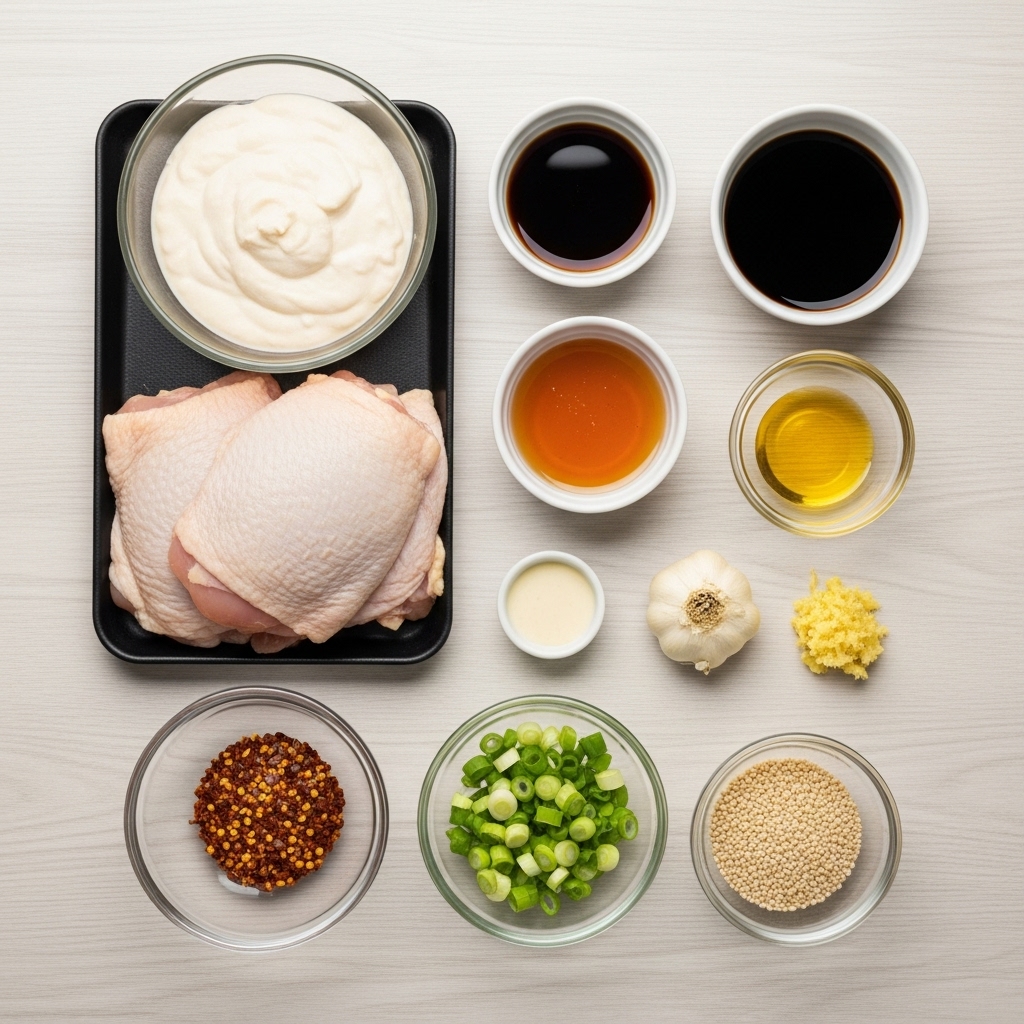
This miso chicken recipe uses simple pantry staples to create huge flavor. Here’s what you need for 4 servings.
For the chicken
- 1.5–2 lb (700–900 g) chicken thighs, bone-in, skin-on
- Substitution: boneless, skinless thighs or chicken breasts (reduce cook time slightly)
For the miso marinade
- 3 tbsp white miso paste (shiro miso)
- Substitutions:
- Yellow miso for a slightly stronger flavor
- Red miso for deeper, saltier, bolder umami (use 2 tbsp instead of 3)
- Substitutions:
- 2 tbsp soy sauce
- Substitution: low-sodium soy sauce or tamari for gluten-free
- 2 tbsp mirin (Japanese sweet rice wine)
- Substitutions:
- 1 tbsp honey + 1 tbsp water
- 2 tbsp sweet white wine with a tiny pinch of sugar
- Substitutions:
- 1 tbsp rice vinegar
- Substitution: apple cider vinegar (milder), or lime juice in a pinch
- 1.5 tbsp honey or maple syrup
- For less sugar: use 1 tbsp or swap in a zero-calorie sweetener that can be heated
- 2 tbsp toasted sesame oil
- 3 garlic cloves, finely minced or grated
- 1 tbsp fresh ginger, grated
- 1–2 tsp chili flakes or a small fresh chili, finely chopped (optional, for heat)
- 1–2 tbsp water, to loosen the marinade if too thick
For finishing and serving
- 2–3 green onions (scallions), thinly sliced
- 1 tbsp toasted sesame seeds
- Lime or lemon wedges (optional, for brightness)
- Cooked rice, brown rice, quinoa, or steamed veggies for serving
The marinade should be thick but pourable, clinging to the chicken so it bakes into a glossy miso glaze. The combination of miso paste, soy sauce, and honey creates a salty-sweet, savory, slightly caramelized crust that makes this miso chicken recipe so addictive.
Timing
One big advantage of this miso chicken recipe is that it’s faster than most “special” chicken dinners, while still tasting slow-cooked.
- Prep time: 10 minutes
- Marinating time: 20–60 minutes (or up to 24 hours in the fridge)
- Cooking time: 20–25 minutes
- Total time: About 50 minutes (with a short marinade)
Many roasted chicken recipes take 60+ minutes from start to finish. This version clocks in at roughly 20% less active time because the marinade does the work for you while you relax, prep sides, or clean up.
If you marinate overnight, most of the flavor-building happens while you are doing anything but cooking.
Step-by-Step Instructions

Step 1: Make the umami-packed miso marinade
In a medium bowl, whisk together:
- Miso paste
- Soy sauce
- Mirin
- Rice vinegar
- Honey or maple syrup
- Sesame oil
- Garlic
- Ginger
- Chili (if using)
If the mixture feels very thick (miso brands vary), whisk in 1–2 tbsp of water until it becomes smooth and glossy. You want a marinade that coats the back of a spoon but still drips slowly.
Tip: Taste a tiny bit. It should be salty, slightly sweet, and deeply savory. Remember, it will taste less salty once spread over the chicken and diluted by cooking juices.
Step 2: Prep and marinate the chicken
- Pat the chicken thighs dry with a paper towel. Dry skin = crispier, more caramelized results.
- Place the chicken in a large bowl or a zip-top bag.
- Pour the miso marinade over the chicken and rub it in, making sure every piece is well coated, including under the skin if using skin-on thighs.
- Marinate for:
- At least 20 minutes at room temperature (if you are cooking right away), or
- Up to 24 hours in the fridge for maximum depth of flavor.
Tip: If marinating overnight, cover tightly and refrigerate. Take the chicken out 20–30 minutes before baking so it comes closer to room temperature and cooks more evenly.
Step 3: Preheat and prepare for baking
- Preheat your oven to 400°F (200°C).
- Line a baking sheet or roasting pan with parchment paper or lightly oil it. The honey and miso can stick and caramelize quickly, so lining your pan helps a lot with cleanup.
- Arrange the marinated chicken thighs in a single layer, skin side up if using skin-on.
Make sure not to crowd the pan. A little space around each piece allows hot air to circulate and helps the miso glaze bubble and brown instead of steaming.
Step 4: Bake to caramelized, juicy perfection
- Bake the chicken for 20–25 minutes, depending on size and whether it’s bone-in or boneless:
- Boneless thighs: about 18–22 minutes
- Bone-in thighs: about 22–25 minutes
- About halfway through, spoon some of the pan juices back over the chicken to build an extra layer of miso glaze.
- The chicken is done when:
- It reaches an internal temperature of 165°F (74°C), measured at the thickest part, and
- The surface is browned, slightly charred in spots, and the juices run clear.
Optional for extra caramelization: Switch to broil for the last 2–3 minutes, watching closely so the sugars in the miso and honey don’t burn.
Step 5: Rest, garnish, and serve
- Remove the chicken from the oven and let it rest for 5 minutes. This helps the juices redistribute, making every bite tender and moist.
- Transfer to a serving plate and spoon any remaining pan sauce over the top.
- Sprinkle with sliced green onions and toasted sesame seeds.
- Add lime or lemon wedges on the side for a fresh hit of acidity.
Serve this miso chicken recipe over fluffy jasmine rice, nutty brown rice, or with a pile of stir-fried or roasted vegetables for a complete umami-rich meal.
Nutritional Information
The following is an approximate breakdown per serving (1/4 of the recipe), using bone-in chicken thighs and standard ingredients. Values are estimates based on common USDA data.
- Calories: ~380–420 kcal
- Protein: ~32–35 g
- Carbohydrates: ~10–14 g
- Sugars: ~8–10 g
- Fat: ~22–26 g
- Saturated fat: ~6–7 g
- Fiber: <1 g
- Sodium: ~900–1100 mg (varies with miso and soy brands)
Key nutritional benefits:
- High in protein for muscle repair and satiety
- Fermented miso provides beneficial compounds and deep umami, helping you feel satisfied with smaller portions
- Contains healthy fats from sesame oil, plus micronutrients like B vitamins, iron, and zinc from chicken and miso
For a lighter or lower-sodium version, see the next section on healthier alternatives.
Healthier Alternatives for the Recipe
You can easily adapt this miso chicken recipe to fit different dietary goals without sacrificing flavor.
To reduce calories and fat
- Use skinless chicken thighs or chicken breasts instead of skin-on thighs.
- Trim visible fat before marinating.
- Reduce sesame oil from 2 tbsp to 1 tbsp and add 1 tbsp water or extra rice vinegar.
To lower sodium
- Use low-sodium soy sauce or tamari.
- Reduce miso paste slightly (2.5 tbsp instead of 3) and add more garlic, ginger, or a squeeze of citrus for extra flavor.
- Skip added salt in any side dishes to balance the total meal.
To cut added sugar
- Reduce honey/maple syrup to 1 tbsp.
- Replace half the sweetener with extra mirin or a small amount of sugar-free sweetener suitable for cooking.
For gluten-free needs
- Use gluten-free tamari instead of soy sauce.
- Check that your miso paste is labeled gluten-free (some include barley).
For a lighter, veggie-forward plate
- Turn it into a sheet pan dinner: add broccoli, sliced bell peppers, carrots, or green beans to the pan for the last 15–20 minutes.
- Serve over cauliflower rice or a mixed greens salad instead of regular rice.
Serving Suggestions
This miso chicken recipe is incredibly versatile. Try these ideas to keep it exciting:
- Classic rice bowl: Serve over steamed jasmine or sushi rice, with sliced cucumber, avocado, and pickled ginger.
- Healthier grain bowl: Pair with brown rice, quinoa, or farro plus sautéed greens and edamame for extra protein.
- Low-carb plate: Serve with roasted broccoli, bok choy, and a simple cabbage slaw dressed with rice vinegar and sesame oil.
- Noodle night: Slice the miso chicken and serve it over soba or udon noodles with a light soy and sesame dressing.
- Bento-style lunch: Pack sliced miso chicken with rice, cherry tomatoes, cucumber, and a small portion of fruit in a lunch box.
For an extra pop of freshness, drizzle a little lime juice over the chicken just before serving—it brightens the deep umami and keeps the dish from feeling too heavy.
Common Mistakes to Avoid
Avoid these pitfalls to make sure your miso chicken recipe turns out restaurant-worthy every time:
- Using only dark/red miso in full quantity: Red miso is stronger and saltier. If using it, reduce the amount or mix with white miso to avoid an overly salty dish.
- Skipping the drying step: Not patting the chicken dry makes it harder for the marinade to stick and prevents proper browning.
- Overcrowding the pan: Packing pieces too tightly causes steaming instead of roasting, leading to pale, soggy skin.
- Over-marinating with very salty miso: While up to 24 hours is fine with white miso, very strong miso can make the chicken too salty if marinated too long. For red miso, keep it to 12 hours or less.
- Cranking the broiler and walking away: Miso and honey burn quickly. If you broil at the end, watch constantly.
- Not resting the chicken: Cutting in immediately lets the juices run out. Waiting 5 minutes keeps the meat juicy.
Storing Tips for the Recipe
This miso chicken recipe works beautifully for meal prep and leftovers.
Storing leftovers
- Fridge: Store cooked chicken in an airtight container for 3–4 days.
- Freezer: Freeze in portions for up to 2–3 months. Wrap tightly or use freezer-safe containers to prevent freezer burn.
Reheating
- Oven: Reheat at 325°F (165°C) for 10–15 minutes until heated through. Cover loosely with foil to keep it from drying out.
- Stovetop: Warm gently in a covered pan over low heat with a splash of water or broth.
- Microwave: Use medium power and reheat in short intervals, checking often.
Make-ahead tips
- Marinate ahead: You can marinate the chicken up to 24 hours in advance.
- Freezer marinade method: Add raw chicken and marinade to a freezer bag, freeze flat, and thaw in the fridge overnight. As it thaws, the chicken soaks up flavor—perfect for busy weeks.
Conclusion
With this easy miso chicken recipe, you get juicy chicken, deep umami, and a flexible weeknight dinner in five simple steps. Marinate, sear, roast, and garnish, then enjoy. Try it tonight, leave a comment or review, and subscribe to get more flavor-packed recipes each week straight to your inbox soon.
FAQs
Can I use chicken breasts instead of thighs?
Yes. This miso chicken recipe works with boneless, skinless chicken breasts. Reduce the baking time to about 16–20 minutes, depending on thickness, and check for an internal temperature of 165°F (74°C). Be careful not to overcook, as breasts dry out faster than thighs.
What type of miso is best for this miso chicken recipe?
White (shiro) miso is ideal because it is mild, slightly sweet, and very versatile. Yellow miso also works well. If you only have red miso, use a bit less and consider mixing it with honey or a touch more water to balance its stronger, saltier flavor.
Can I grill this instead of baking?
Absolutely. Grill over medium heat, about 6–8 minutes per side, depending on thickness. Because the marinade contains honey, keep an eye on flare-ups and move the chicken to indirect heat if it starts to char too quickly.
How can I make this recipe more kid-friendly?
Skip the chili, slightly reduce the miso and soy sauce, and add a bit more honey for a sweeter glaze. Serve the miso chicken sliced with plain rice and mild vegetables like carrots or cucumbers on the side.
Is this miso chicken recipe good for meal prep?
Yes, it’s excellent for meal prep. Cook a batch, then portion into containers with rice or grains and veggies. It reheats well for 3–4 days in the fridge and keeps its flavor, making it a convenient high-protein lunch or dinner option.