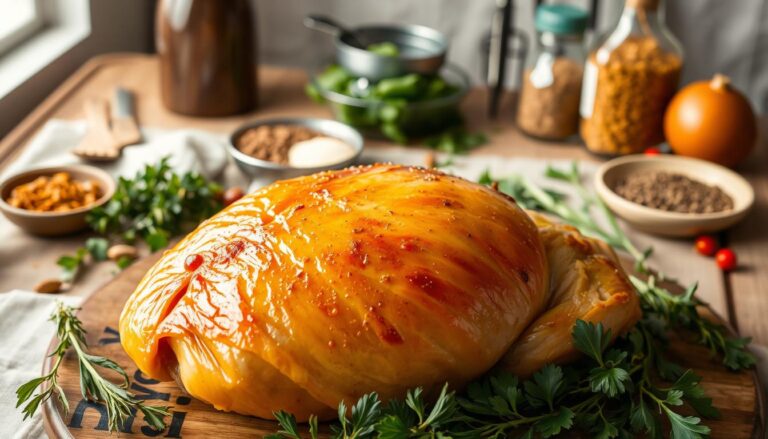
Chinese Beef Cabbage: The Ultimate Guide to This 25-Minute Stir-Fry Wonder
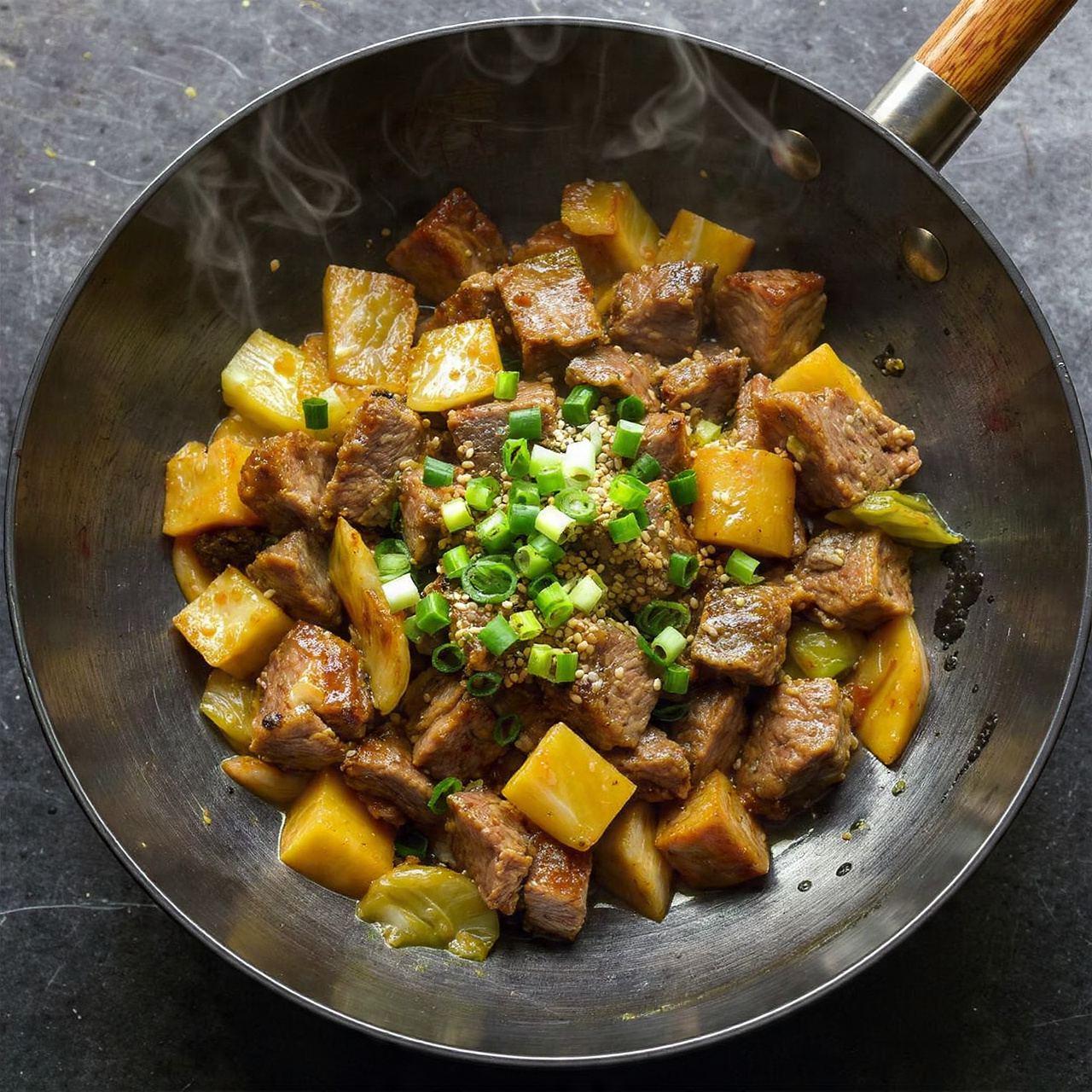
Did you know that Chinese Beef Cabbage can deliver up to 45% of your daily vitamin K needs in a single serving while costing 60% less than most restaurant stir-fries? This humble yet spectacular dish has been a cornerstone of Chinese home cooking for generations, yet it remains surprisingly underrated in Western kitchens.
Chinese Beef Cabbage combines tender beef strips with crisp, sweet cabbage in a savory sauce that transforms simple ingredients into an irresistible meal. Whether you’re looking for a budget-friendly weeknight dinner, a nutrient-dense option for your meal prep rotation, or simply craving the authentic flavors of Chinese cuisine, this recipe delivers exceptional taste and nutrition in just 25 minutes. The magic lies in the high-heat stir-frying technique that caramelizes the beef while keeping the cabbage crisp-tender, creating a textural contrast that makes every bite satisfying.
Ingredients List
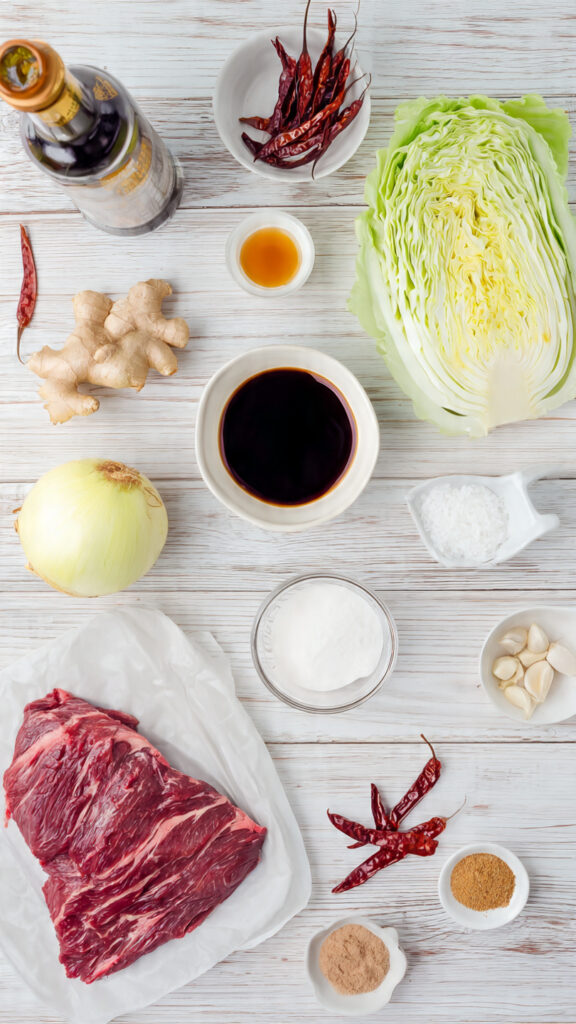
For the Beef Marinade:
- 1 pound flank steak or sirloin, sliced thinly against the grain into 2-inch strips (substitute: beef tenderloin for premium tenderness, or portobello mushrooms for vegetarian version)
- 2 tablespoons soy sauce or tamari for gluten-free option
- 1 tablespoon Shaoxing wine or dry sherry (substitute: mirin or rice vinegar)
- 1 tablespoon cornstarch (creates velvety texture and protective coating)
- 1 teaspoon sesame oil (adds aromatic depth)
- 1/2 teaspoon baking soda (optional, for extra-tender beef)
For the Stir-Fry Sauce:
- 3 tablespoons soy sauce (use low-sodium to control saltiness)
- 2 tablespoons oyster sauce (substitute: hoisin sauce or vegetarian stir-fry sauce)
- 1 tablespoon rice vinegar (brightens flavors)
- 1 tablespoon brown sugar or honey (balances savory notes)
- 1 teaspoon cornstarch mixed with 3 tablespoons water or beef broth
- 1/2 teaspoon ground white pepper (adds subtle warmth)
- 1/4 teaspoon red pepper flakes (optional, for heat)
For the Stir-Fry:
- 1 medium head green cabbage (about 1.5 pounds), cut into 2-inch squares (substitute: napa cabbage for sweeter, more delicate flavor)
- 1 large yellow onion, sliced into wedges (adds sweet caramelized notes)
- 4 cloves garlic, minced (aromatic foundation)
- 1 tablespoon fresh ginger, minced (warm, spicy undertone)
- 2-3 dried red chilies, whole (optional, for authentic Sichuan heat)
- 3 tablespoons neutral cooking oil (vegetable, canola, or peanut oil)
- 2 green onions, sliced diagonally for garnish (fresh, sharp finish)
- 1 teaspoon toasted sesame seeds for garnish (nutty crunch)
Timing
Preparation Time: 15 minutes (includes slicing beef and chopping vegetables) Cooking Time: 10 minutes (active stir-frying on high heat) Total Time: 25 minutes
This Chinese Beef Cabbage recipe clocks in at approximately 35% faster than traditional braised cabbage dishes, making it ideal for busy weeknights when you need a nutritious meal on the table quickly. The efficiency comes from the high-heat stir-frying method, which cooks ingredients rapidly while preserving their nutritional value and creating those characteristic caramelized flavors that define excellent Chinese cooking.
Step-by-Step Instructions
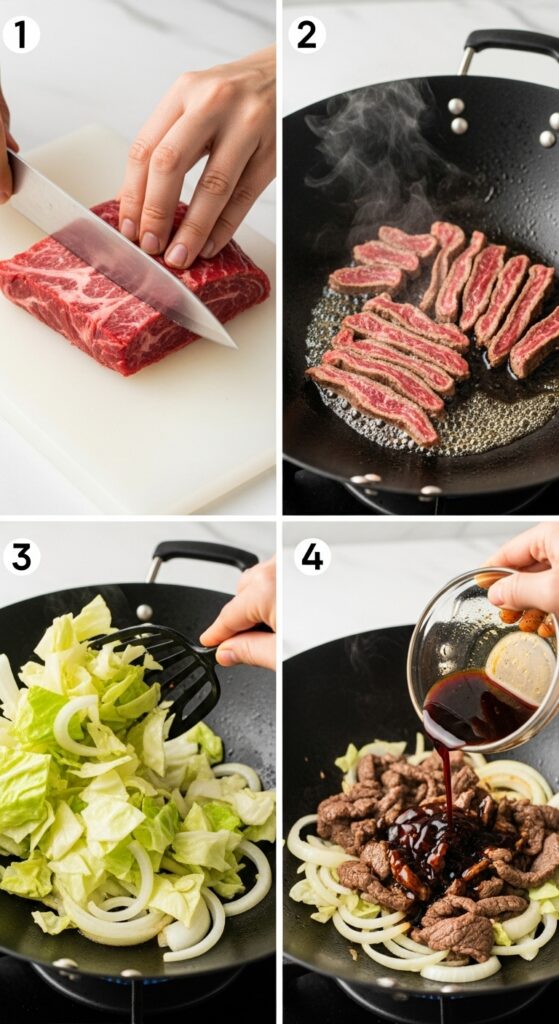
Step 1: Marinate the Beef for Maximum Tenderness
Combine the sliced beef with soy sauce, Shaoxing wine, cornstarch, sesame oil, and optional baking soda in a medium bowl. Mix thoroughly using your hands or chopsticks until each strip is evenly coated with the marinade. Let it rest for at least 10 minutes at room temperature, or up to 2 hours in the refrigerator for deeper flavor penetration. The cornstarch creates a protective coating that locks in moisture during high-heat cooking, while the baking soda breaks down proteins for restaurant-quality tenderness. Pro tip: slicing beef partially frozen makes achieving paper-thin slices much easier and ensures even cooking.
Step 2: Prepare Your Sauce and Mise en Place
In a small bowl, whisk together all sauce ingredients—soy sauce, oyster sauce, rice vinegar, brown sugar, cornstarch slurry, white pepper, and red pepper flakes—until the sugar dissolves completely and no lumps remain. Set this within arm’s reach of your stove. Arrange your prepped vegetables, aromatics, and marinated beef in separate bowls or on a large plate. Stir-frying happens at lightning speed, so having everything organized prevents burning and ensures perfectly cooked results. This preparatory step is crucial for stir-fry success.
Step 3: Sear the Beef Until Caramelized
Heat your wok or large skillet over high heat until it begins to smoke slightly. Add 2 tablespoons of oil and swirl to coat the surface. Working in batches to avoid overcrowding, add the marinated beef in a single layer. Let it sear undisturbed for 60-90 seconds to develop a golden-brown crust, then quickly stir-fry for another 60 seconds until just cooked through but still slightly pink in the center. The beef should reach an internal temperature around 145°F for medium-rare. Transfer immediately to a clean plate—don’t worry if it looks slightly undercooked, as it will finish cooking when combined with the vegetables later.
Step 4: Stir-Fry the Aromatics
Add the remaining tablespoon of oil to the same wok. Toss in minced garlic, ginger, and whole dried chilies (if using). Stir constantly for 20-30 seconds until incredibly fragrant but not browned—burnt garlic turns bitter and ruins the dish. This brief aromatic infusion builds the flavor foundation for your Chinese Beef Cabbage. The oil captures these essential flavors and distributes them throughout the final dish.
Step 5: Cook the Cabbage to Crisp-Tender Perfection
Immediately add the sliced onion and stir-fry for 1 minute until slightly softened and edges begin caramelizing. Add the cabbage pieces all at once and toss vigorously for 3-4 minutes. The high heat will create steam that cooks the cabbage while maintaining its satisfying crunch. You’ll notice the cabbage wilting slightly while retaining vibrant color and crisp texture—this is exactly what you want. The cabbage should reduce in volume by about 40% but still have a pleasant bite. Season lightly with a pinch of salt if desired.
Step 6: Combine Everything and Add the Sauce
Return the seared beef to the wok along with any accumulated juices on the plate. Give your prepared sauce a quick stir to redistribute the cornstarch (it settles), then pour it evenly over the beef and cabbage. Toss everything continuously for 1-2 minutes as the sauce thickens and creates a glossy coating that clings beautifully to every ingredient. The cornstarch transforms the sauce from watery to luxuriously silky. Remove from heat immediately once the sauce reaches your desired consistency.
Step 7: Garnish and Serve Immediately
Transfer your Chinese Beef Cabbage to a large serving platter or individual bowls. Sprinkle generously with sliced green onions and toasted sesame seeds for visual appeal and added flavor dimension. Serve piping hot over steamed white rice, brown rice, or noodles while the cabbage retains its crisp texture and the beef stays tender. The contrast between tender beef, crisp cabbage, and aromatic sauce is what makes this dish truly restaurant-worthy.
Nutritional Information
Per Serving (based on 4 servings, excluding rice):
- Calories: 295 kcal
- Protein: 26g (52% of daily value for muscle maintenance and satiety)
- Total Fat: 14g (includes heart-healthy monounsaturated fats)
- Saturated Fat: 3.5g
- Carbohydrates: 16g
- Dietary Fiber: 4g (16% DV, supports digestive health and blood sugar regulation)
- Sugar: 9g (natural sugars from cabbage and sauce)
- Sodium: 890mg (37% DV—significantly lower than restaurant versions at 1,500-2,200mg)
- Vitamin K: 112mcg (140% DV, essential for blood clotting and bone health)
- Vitamin C: 67mg (74% DV from cabbage)
- Iron: 3.2mg (18% DV)
- Calcium: 78mg (8% DV)
- Potassium: 545mg (12% DV)
Nutritional Highlights: Chinese Beef Cabbage delivers exceptional nutritional density with high-quality protein, abundant fiber, and over 140% of your daily vitamin K needs. Cabbage provides powerful antioxidants including sulforaphane and anthocyanins that support cellular health, while lean beef contributes bioavailable iron and complete amino acids.
Healthier Alternatives for the Recipe
Reduce Sodium: Use low-sodium soy sauce and reduce oyster sauce by half, compensating with an additional tablespoon of rice vinegar and a splash of beef broth for savory depth without excess salt.
Lower Calories and Fat: Choose extra-lean sirloin or beef eye round instead of flank steak, reducing fat content by approximately 35%. Alternatively, use chicken breast or lean pork tenderloin for similar protein with fewer calories.
Increase Vegetables: Double the cabbage quantity and add shredded carrots, bell pepper strips, or broccoli florets to boost fiber and micronutrients while increasing portion sizes without significantly impacting calories.
Carb-Conscious Version: Serve over cauliflower rice or shirataki noodles instead of white rice, reducing carbohydrate load by 75% while maintaining satisfaction and authentic flavors.
Plant-Based Adaptation: Replace beef with extra-firm tofu, tempeh, or king oyster mushrooms sliced to mimic beef texture. Marinate identically and use vegetarian oyster sauce or additional hoisin for umami depth.
Sugar-Free Option: Replace brown sugar with sugar-free sweetener or rely entirely on the natural sweetness from caramelized cabbage and onions, eliminating added sugars completely.
Boost Protein Further: Add a handful of edamame or reduce cabbage slightly to incorporate lean ground beef alongside sliced beef, increasing protein density without substantially changing cooking method.
Serving Suggestions
Chinese Beef Cabbage shines as a versatile centerpiece that adapts beautifully to various serving styles and occasions:
Traditional Bowl: Serve over fluffy jasmine rice or nutty brown rice with the savory sauce soaking into the grains, creating comfort food perfection that satisfies even the heartiest appetites.
Low-Carb Lettuce Cups: Spoon the stir-fry into crisp iceberg or butter lettuce leaves with fresh cilantro, shredded carrots, and a drizzle of sriracha mayo for an interactive, hands-on meal perfect for casual gatherings.
Noodle Toss: Mix with cooked lo mein noodles, rice noodles, or udon for a heartier, more filling version that stretches portions beautifully for larger families or meal prep.
Grain Bowl Assembly: Layer quinoa or farro in bowls, top with Chinese Beef Cabbage, add a soft-boiled egg, pickled vegetables, and sesame seeds for Instagram-worthy meal prep containers that reheat perfectly.
Family-Style Platter: Present on a large serving platter surrounded by steamed dumplings, spring rolls, and Asian cucumber salad for an impressive dinner party spread that celebrates Chinese culinary traditions.
Breakfast Fried Rice: Incorporate leftover Chinese Beef Cabbage into next-day fried rice with scrambled eggs for a protein-packed breakfast that transforms yesterday’s dinner into something entirely new.
Common Mistakes to Avoid
Overcrowding the Wok: Adding too much beef at once lowers the temperature dramatically, causing steaming instead of searing. This produces gray, rubbery beef instead of caramelized, tender strips. Cook beef in 2-3 batches if necessary.
Cutting Beef With the Grain: Slicing parallel to muscle fibers creates tough, chewy meat. Always slice thinly against the grain (perpendicular to visible lines) for maximum tenderness that melts in your mouth.
Using Medium or Low Heat: Stir-fries absolutely require high heat to create proper caramelization and that characteristic “wok hei” (breath of the wok) flavor. Medium heat produces watery, bland results without textural contrast.
Overcooking the Cabbage: Soggy, limp cabbage ruins the dish’s signature textural appeal. Cook just until crisp-tender with vibrant color—it should still have noticeable crunch and not appear translucent or watery.
Adding Sauce Too Early: Pouring sauce before vegetables are nearly done creates excessive moisture that steams ingredients instead of stir-frying them, resulting in mushy vegetables swimming in thin liquid.
Skipping the Marinade: The cornstarch coating isn’t optional—it’s essential for creating tender, restaurant-quality beef with proper texture. Even 10 minutes of marinating makes measurable difference.
Not Preparing Ingredients in Advance: Once cooking begins, there’s zero time for chopping or measuring. Complete all prep work before turning on the stove to ensure smooth, stress-free execution.
Using Pre-Shredded Cabbage: Pre-cut cabbage oxidizes quickly, losing nutritional value and developing off-flavors. Fresh cabbage cut into squares provides superior taste, texture, and nutritional benefits.
Storing Tips for the Recipe
Refrigeration: Store cooled Chinese Beef Cabbage in an airtight container for up to 4 days in the refrigerator. Keep rice separate to prevent sogginess, as the cabbage releases moisture over time.
Freezing: This dish freezes reasonably well for up to 3 months, though cabbage texture softens somewhat upon thawing. Freeze in portion-sized containers, leaving half an inch of headspace for expansion. Thaw overnight in refrigerator before reheating.
Reheating for Best Results: Reheat in a skillet or wok over medium-high heat with a tablespoon of water or broth, stirring frequently until heated through (165°F internal temperature). This method revives the stir-fried texture better than microwaving.
Microwave Alternative: If microwaving, heat in 90-second intervals at 70% power, stirring between cycles, to prevent overcooking the beef and further softening the cabbage.
Meal Prep Strategy: Prep all ingredients Sunday evening but store components separately—marinated beef in one container, chopped cabbage and aromatics in another, pre-mixed sauce in a jar. Stir-fry fresh each evening for maximum quality with minimal effort.
Marinated Beef Storage: Marinated raw beef keeps refrigerated for up to 24 hours or frozen for up to 2 months. Thaw frozen marinated beef in the refrigerator overnight before cooking.
Maintaining Quality: For best texture retention, slightly undercook the cabbage if meal prepping, as it will continue softening during storage and reheating. The beef reheats beautifully and often tastes even better the next day as flavors meld.
Conclusion
Chinese Beef Cabbage proves that exceptional flavor doesn’t require complicated techniques or expensive ingredients. This 25-minute stir-fry combines tender beef, crisp cabbage, and savory sauce into a nutritious meal that rivals your favorite restaurant while costing a fraction of the price. With simple modifications, it adapts beautifully to any dietary preference while delivering impressive nutritional benefits.
Ready to transform your weeknight dinner routine? Try this Chinese Beef Cabbage recipe tonight and discover how easy authentic Chinese cooking can be. Share your results in the review section below, leave a comment with your favorite variations or cooking tips, and subscribe to our blog for more delicious, easy-to-follow recipes delivered straight to your inbox every week!
FAQs
Q: Can I use a different cut of beef for this recipe? A: Absolutely! While flank steak offers the best balance of flavor and tenderness, sirloin, ribeye, or even beef tenderloin work wonderfully. For budget-friendly options, try skirt steak or top round sliced very thinly. The key is always slicing against the grain for maximum tenderness regardless of the cut.
Q: What if I don’t have a wok—can I still make Chinese Beef Cabbage? A: Yes! A large 12-14 inch skillet or sauté pan with high sides works perfectly well. The key is using high heat and not overcrowding the pan. You might need to cook in slightly smaller batches, but the results will be equally delicious with proper technique.
Q: How can I make this recipe spicier? A: Add 1-2 teaspoons of chili garlic sauce or sambal oelek to the sauce mixture, include fresh sliced Thai chilies with the aromatics, or drizzle with chili oil before serving. Adjust heat level gradually to match your preference.
Q: Can I prep this recipe entirely in advance? A: You can prepare all components up to 24 hours ahead—marinate the beef, chop vegetables, mix the sauce, and store separately in the refrigerator. Stir-fry fresh when ready to eat for optimal texture and flavor. The actual cooking takes only 10 minutes.
Q: Why is my cabbage releasing too much water? A: This typically happens when the wok isn’t hot enough or the pan is overcrowded. Ensure your wok is smoking-hot before adding ingredients, cook cabbage in batches if necessary, and avoid covering the pan, which traps steam and creates excess moisture.
Q: Is Chinese Beef Cabbage suitable for meal prep? A: Yes! It reheats well for up to 4 days and actually develops deeper flavors as it sits. For best results, store rice separately and slightly undercook the cabbage initially. Reheat in a skillet rather than microwave to maintain better texture.
Q: Can I substitute napa cabbage for green cabbage? A: Definitely! Napa cabbage provides a sweeter, more delicate flavor and softer texture. It cooks faster than green cabbage, so reduce stir-fry time by 1-2 minutes. Both varieties work beautifully in this recipe with slightly different final characteristics.
Q: What’s the best way to slice beef thinly? A: Partially freeze the beef for 30-45 minutes until firm but not solid. This makes slicing paper-thin strips much easier. Use a sharp knife and cut against the grain (perpendicular to muscle fibers) at a slight diagonal for maximum tenderness.
Print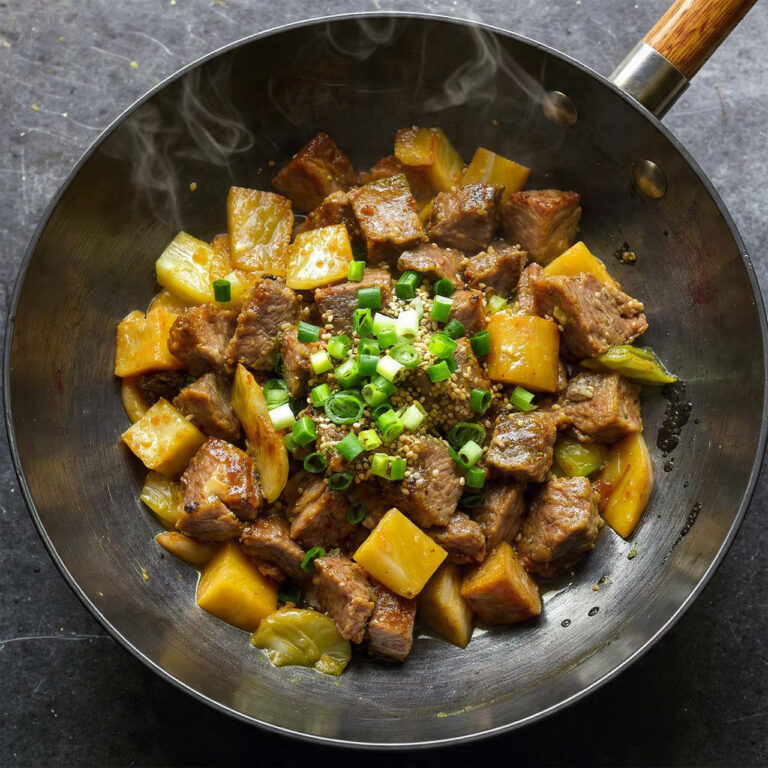
Chinese Beef Cabbage
Get restaurant-quality flavor at home in just 25 minutes with this easy Chinese Beef Cabbage stir-fry. Tender, velvety beef and crisp cabbage are tossed in a savory, glossy sauce for a healthy and satisfying weeknight meal that beats takeout.
- Total Time: 25 minutes
- Yield: 4 servings
Ingredients
For the Beef Marinade:
1 lb flank steak, thinly sliced against the grain
2 tbsp soy sauce
1 tbsp Shaoxing wine (or dry sherry)
1 tbsp cornstarch
1 tsp sesame oil
For the Stir-Fry Sauce:
3 tbsp soy sauce
2 tbsp oyster sauce
1 tbsp rice vinegar
1 tbsp brown sugar
1 tsp cornstarch
3 tbsp water or beef broth
For the Stir-Fry:
1 medium head green cabbage, cut into 2-inch squares
1 large yellow onion, sliced
4 cloves garlic, minced
1 tbsp fresh ginger, minced
3 tbsp vegetable oil, divided
2 green onions, sliced (for garnish)
1 tsp sesame seeds (for garnish)
Instructions
Marinate the Beef: In a bowl, combine sliced beef with 2 tbsp soy sauce, Shaoxing wine, 1 tbsp cornstarch, and sesame oil. Mix well and let marinate for at least 10 minutes.
Make the Sauce: In a separate small bowl, whisk together 3 tbsp soy sauce, oyster sauce, rice vinegar, brown sugar, 1 tsp cornstarch, and water until smooth. Set aside.
Sear the Beef: Heat a large wok or skillet over high heat until very hot. Add 2 tablespoons of oil. Add the marinated beef in a single layer and sear for 1-2 minutes per side until browned. Remove beef and set aside.
Stir-Fry Aromatics & Vegetables: Add the remaining 1 tablespoon of oil to the wok. Add garlic and ginger, stir-frying for 30 seconds until fragrant. Add the sliced onion and stir-fry for 1 minute. Add the cabbage and stir-fry for 3-4 minutes until crisp-tender.
Combine and Sauce: Return the seared beef to the wok. Give the sauce a quick stir and pour it over the beef and cabbage. Toss everything together and cook for 1-2 minutes until the sauce thickens and coats everything evenly.
Serve: Garnish with sliced green onions and sesame seeds. Serve immediately over steamed rice.
Notes
Slicing Tip: For the most tender beef, slice it partially frozen and always cut against the grain.
High Heat is Key: A very hot wok is essential for getting the right sear on the beef and keeping the cabbage crisp.
Vegetable Swap: You can use Napa cabbage for a more tender texture, or add other veggies like bell peppers or carrots.
Make it Spicy: Add 1-2 teaspoons of chili garlic sauce or a few dried red chilies with the ginger and garlic.
- Prep Time: 15 minutes
- Cook Time: 10 minutes
- Category: Main Course
- Method: Stir-Frying
- Cuisine: Chinese