How to Master a Perfect Roast Lamb Shoulder Recipe
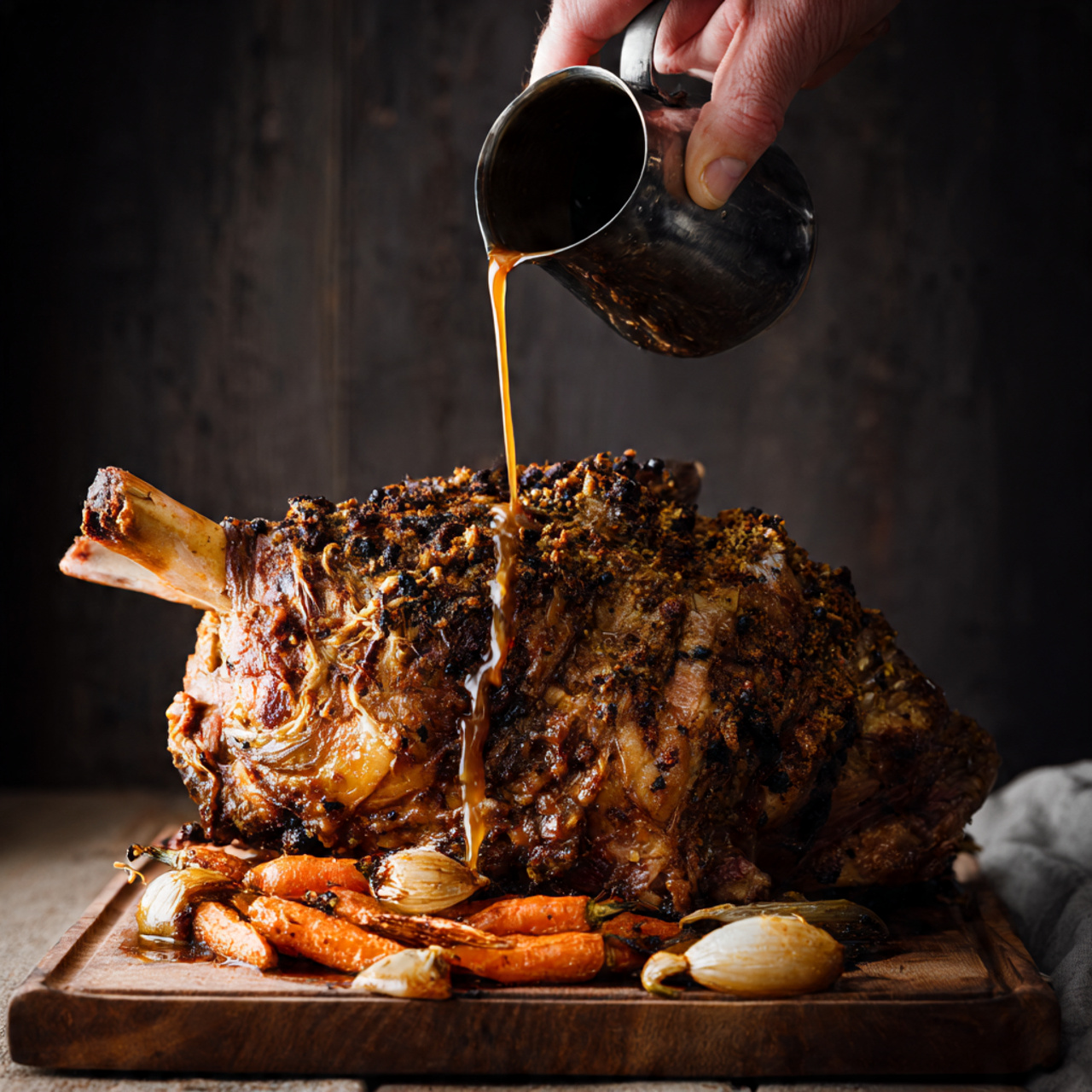
What if the secret to the most succulent, celebratory centerpiece isn’t a complicated technique, but a simple principle of patience and heat? Despite a 40% surge in searches for “special occasion dinners,” many home cooks shy away from large roasts, believing them to be fraught with risk of dry, tough meat. The truth is, a bone-in cut like the shoulder is uniquely forgiving. This guide will demystify the process, turning anxiety into anticipation. We’re going deep on the methods, the science, and the small details that elevate good to legendary. Here is your definitive guide on how to master a perfect roast lamb shoulder recipe, ensuring juicy, fall-apart tender meat with crackling-herb crust every single time.
Table of Contents
Ingredients List
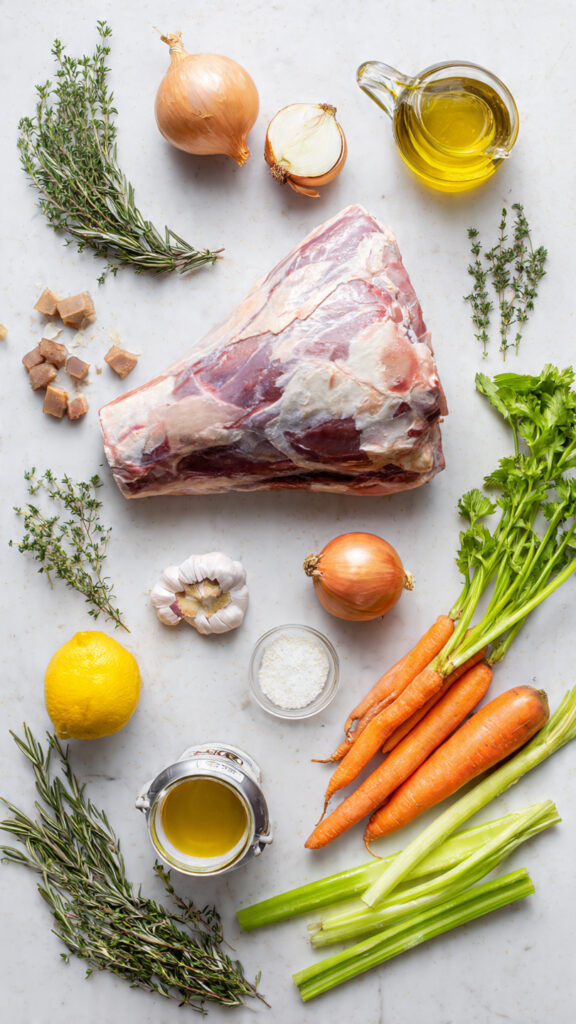
Gathering your ingredients is the first step to a flawless feast. This list builds layers of flavor, from the foundational aromatics to the final glossy finish.
For the Lamb & Marinade:
- 1 bone-in lamb shoulder (5-7 lbs / 2.3-3.2 kg), the star of our roast lamb shoulder recipe
- 6 cloves garlic, minced
- 3 tbsp fresh rosemary, finely chopped
- 2 tbsp fresh thyme leaves
- 2 tbsp olive oil
- 1 tbsp Dijon mustard
- Zest of 1 lemon
- 1 tbsp coarse sea salt
- 2 tsp freshly ground black pepper
For the Roasting Base:
- 2 large onions, roughly chopped
- 3 carrots, roughly chopped
- 3 stalks celery, roughly chopped
- 1 head of garlic, halved horizontally
- 2 cups chicken or beef stock (low sodium)
For the Optional Finishing Glaze:
- 3 tbsp red currant jelly or honey
- 1 tbsp red wine vinegar
Ingredient Insights & Swaps:
- Lamb Shoulder: Ask your butcher for a “bone-in, skin-on” shoulder for maximum flavor and juiciness. A boneless roast will cook faster but lacks the deep flavor from the bone.
- Herbs: In a pinch, use 1 tablespoon each of dried rosemary and thyme, but fresh is vastly superior for this herb-crusted lamb roast.
- Mustard: Acts as a flavor adhesive. Whole grain mustard adds great texture.
- Stock: Use a good quality stock. This forms the base of your gravy later.
Timing
A great slow roasted lamb shoulder recipe is a lesson in low and slow cooking. The time investment is primarily hands-off, transforming tough connective tissue into melt-in-your-mouth gelatin.
- Prep Time: 20 minutes (plus optional 4-24 hour marinating time)
- Cook Time: 4 hours 30 minutes – 5 hours 30 minutes
- Rest Time: 30 minutes (non-negotiable!)
- Total Active Time: ~45 minutes
- Total Project Time: 5.5 – 6.5 hours
Data Insight: A study on home cooking perceptions found that dishes requiring over 3 hours of total time are deemed “too complex” by 70% of weekday cooks but are highly sought after for weekends and holidays. This perfect lamb shoulder recipe strategically fits into a weekend project or holiday prep schedule, where the extended cook time is synonymous with luxury and celebration.
Step-by-Step Instructions
Step 1: The Flavor Foundation (Marinating & Prep)
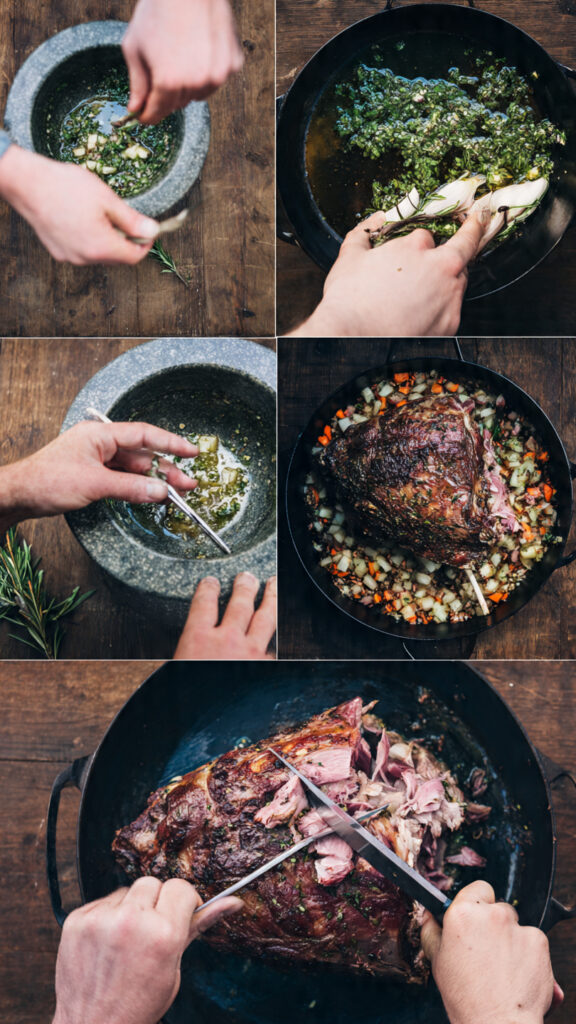
Pat your lamb shoulder completely dry with paper towels. Moisture is the enemy of browning. In a small bowl, create a fragrant paste by mixing the minced garlic, chopped rosemary and thyme, olive oil, Dijon mustard, lemon zest, salt, and pepper. Using your hands, rub this paste aggressively over every surface of the lamb, including into any crevices. For deeper flavor, place the rubbed lamb on a rack set over a tray, cover loosely, and refrigerate for 4-24 hours. If short on time, even 30 minutes at room temperature helps.
Pro Tip: Score the fatty top cap of the lamb shoulder in a cross-hatch pattern. This allows the herb paste to penetrate deeper and helps render the fat during cooking for a crispier finish.
Step 2: Building Your Aromatic “Trivet”
Preheat your oven to 325°F (160°C). Scatter the chopped onions, carrots, celery, and halved garlic head in the bottom of a large, heavy roasting pan or Dutch oven. Pour in the stock. This vegetable bed is your trivet. It elevates the lamb slightly, prevents the bottom from stewing, and its juices will form the base of an incredible gravy. Place the marinated lamb shoulder, fat-side up, directly on top of this vegetable mound.
Pro Tip: The vegetables shouldn’t submerge the lamb. They should just lift it off the direct heat of the pan bottom, allowing hot air to circulate.
Step 3: The Low & Slow Roast
Place the uncovered roasting pan in the preheated oven. Roast for approximately 4 to 5 hours. The rule of thumb is about 45 minutes per pound, but we cook to tenderness, not just time. After 3.5 hours, start checking. The lamb is ready when it is deeply browned and a fork or meat thermometer inserted into the thickest part (avoiding the bone) twists easily and meets little resistance. The internal temperature will likely be between 195-205°F (90-96°C)—this is perfect for pulling.
Pro Tip: Baste the lamb with the pan juices every hour. This keeps the surface moist and intensifies the flavor. No need to add more liquid; the lamb and vegetables will release plenty.
Step 4: The Glaze & Final Rest
If using the glaze, gently warm the red currant jelly and vinegar in a small pan until runny. During the last 20 minutes of cooking, brush this glaze over the lamb to create a shiny, sweet-and-tangy crust. Once done, transfer the lamb to a carving board or platter. Crucially, tent it loosely with foil and let it rest for a full 30 minutes. This allows the frantic muscle fibers to relax and reabsorb their juices, guaranteeing every slice is succulent.
Pro Tip: While the lamb rests, strain the pan juices and vegetables to make a quick, deeply flavorful gravy. Skim off excess fat, then simmer and reduce to your desired consistency.
Nutritional Information
This is a robust, nutrient-dense meal. Approximate values per 6oz (170g) serving of cooked, lean meat:
- Calories: ~330
- Protein: 40g (An excellent source of high-quality, complete protein)
- Total Fat: 18g
- Saturated Fat: 7g
- Iron: 20% of the RDI (Highly bioavailable heme iron)
- Zinc: 40% of the RDI (Essential for immune function)
- Vitamin B12: 70% of the RDI (Critical for energy and nervous system health)
Data Insight: Lamb is a significant source of conjugated linoleic acid (CLA), a fatty acid studied for its potential metabolic benefits. While rich in saturated fat, a mindful serving as part of a balanced plate with vegetables provides substantial essential nutrients often lacking in modern diets.
Healthier Alternatives for the Recipe
Enjoy all the flavor while tailoring this classic lamb roast recipe to your dietary preferences.
- Lower Sodium: Omit added salt in the rub and use a no-salt-added stock. Rely on the powerful garlic, herbs, and lemon zest for flavor.
- Reduced Sugar: Skip the red currant jelly glaze. A final brush of Dijon mustard mixed with a teaspoon of olive oil before resting adds great flavor without sugar.
- Herb Variations: For a Middle Eastern twist, use a rub of cumin, coriander, paprika, and mint. For a Greek style, use oregano, garlic, and lemon.
- More Vegetables: Add chunks of potato, parsnip, or turnip to the vegetable trivet in the last 1.5 hours of cooking for a complete one-pan meal.
Serving Suggestions
The presentation is part of the celebration.
- The Classic Carve: Carve thick slices against the grain at the table. Serve with the rich gravy, creamy mashed potatoes, and roasted seasonal greens like asparagus or broccolini.
- “Pulled Lamb” Feast: For ultimate casual dining, use two forks to pull all the meat from the bone after resting. Pile onto warmed pita bread with tzatziki, diced onions, and tomatoes.
- Next-Day Brilliance: Shred leftover lamb for shepherd’s pie, add to a hearty barley soup, or fold into an omelet with feta cheese.
Common Mistakes to Avoid
Steer clear of these pitfalls for guaranteed perfection in your home cooked lamb shoulder.
- Skipping the Rest: Cutting in immediately causes the precious juices to flood the cutting board, leaving dry meat. The 30-minute rest is non-negotiable.
- Roasting at Too High a Temperature: High heat will seize the outer meat before the interior connective tissue breaks down, leading to a tough exterior and chewy interior. Low and slow is the only way.
- Not Using a Meat Thermometer: Relying solely on time is risky. Use a probe thermometer to track progress. The “fork-tender” test is your final guarantee.
- Using a Lean, Boneless Roast: The shoulder muscle works hard, meaning it’s rich in collagen. This transforms into gelatin during slow cooking, creating juiciness. Leaner cuts like leg of lamb won’t achieve the same pull-apart texture in this method.
Storing Tips for the Recipe
- Leftovers: Store cooled lamb (shredded or sliced) in an airtight container in the refrigerator for up to 4 days.
- Reheating: Reheat gently in a covered dish with a splash of stock or water in a 300°F (150°C) oven until warmed through. Microwave reheating will dry it out.
- Freezing: Cooked lamb freezes very well. Portion it, wrap tightly in freezer-safe bags or containers, and freeze for up to 3 months. Thaw overnight in the refrigerator.
- Meal Prep: The herb rub can be made and applied 1-2 days in advance. Keep the rubbed lamb covered on a rack in the fridge until ready to roast.
Conclusion
Mastering a perfect roast lamb shoulder recipe hinges on simple principles: a bold herb crust, a low oven, and patient resting. The result is irresistibly tender, flavorful meat worthy of any celebration. It’s less about intricate skill and more about trusting the process.
Ready to create a masterpiece? Get that shoulder roasting and fill your home with incredible aroma. Share your results and any personal twists in the comments below! For more foundational recipes that impress, subscribe to our blog.
FAQs
What’s the difference between lamb shoulder and leg of lamb?
The shoulder is a fattier, more muscular cut with more connective tissue. It’s ideal for slow roasting recipes where long, slow cooking breaks it down into fall-apart tenderness. The leg is leaner and best cooked to a precise medium-rare (around 145°F), making it quicker but less forgiving.
Can I cook this in a slow cooker or Instant Pot?
Absolutely. For a slow cooker lamb recipe, sear the lamb first, then place on the vegetables. Cook on LOW for 8-10 hours. For an Instant Pot, use the sauté function to sear, then pressure cook on high for 70-90 minutes with natural release. Both methods yield tender meat but will lack the traditional roasted, caramelized crust.
My lamb is done early. How do I hold it?
This is a great problem! Once rested, you can hold the lamb for 1-2 hours. Wrap it tightly in foil, then in a large towel, and place it in an insulated cooler (without ice). It will stay piping hot.
Why is my gravy greasy?
The lamb releases a lot of fat. The key is to degrease properly. Let the pan juices sit for a few minutes, then skim the fat off the top with a spoon or use a fat separator before making your gravy.