Salmon loaf recipe: How to make it moist every time
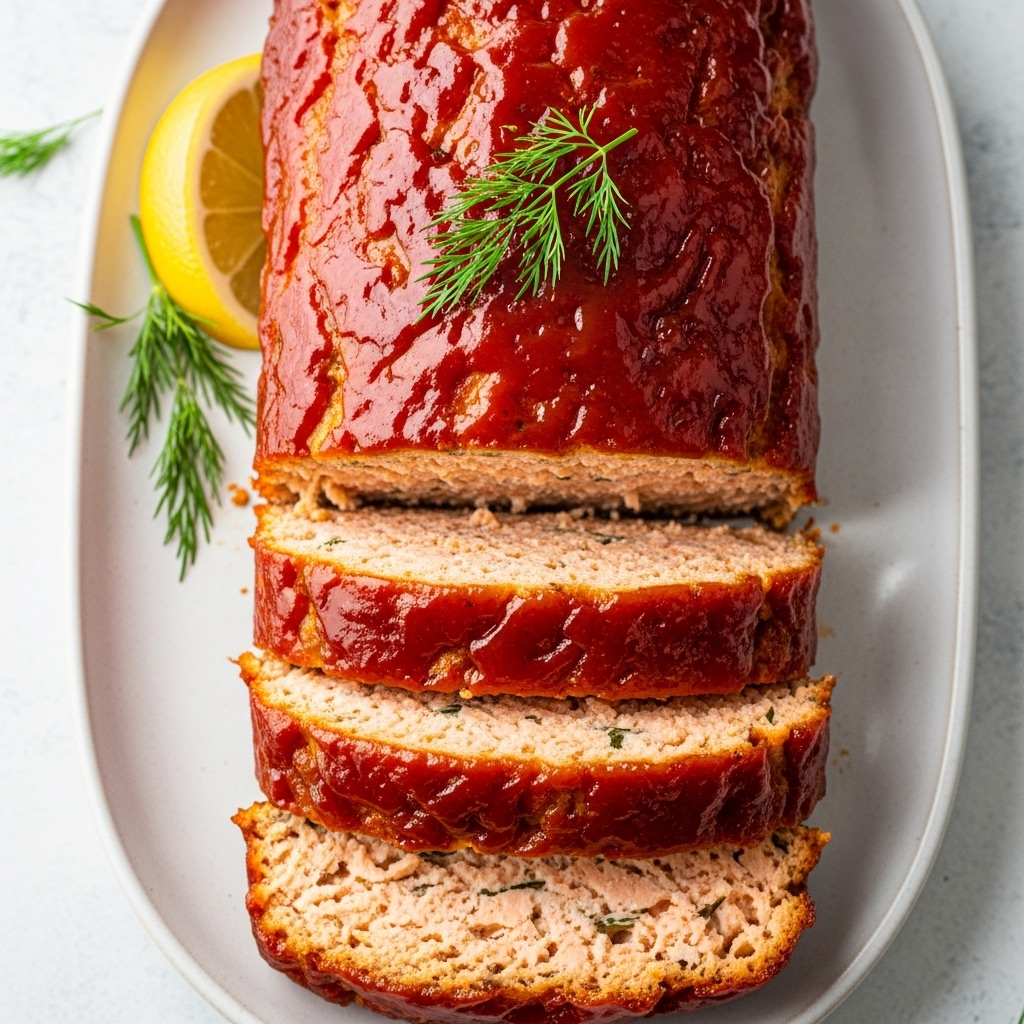
If, according to USDA data, salmon is naturally around 60–70% water, why do so many home cooks end up with a dry, crumbly salmon loaf? The answer isn’t the fish—it’s the method. This salmon loaf recipe is engineered to stay moist every time, using smart ratios, gentle heat, and a few science-backed tricks.
In this guide, you’ll learn not just how to make a classic baked salmon loaf, but how to keep it tender, sliceable, and full of flavor—whether you’re using canned salmon or leftover cooked fillets.
We’ll cover ingredients, timing, nutrition, healthy swaps, serving ideas, common mistakes, and storage—everything you need for a reliable, weeknight-friendly salmon loaf.
Ingredients List
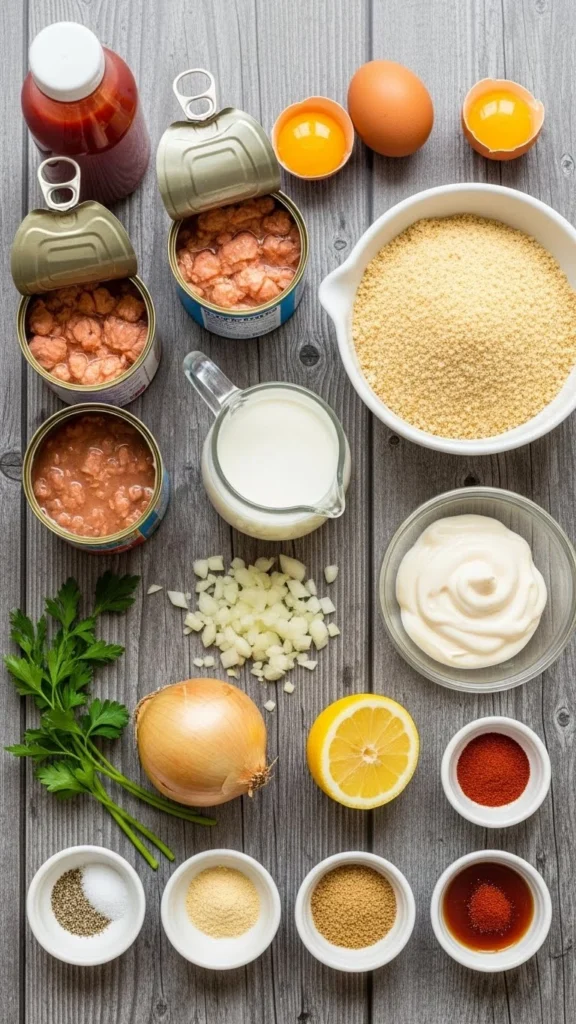
This salmon loaf recipe makes about 8 slices (4–6 servings).
Core ingredients
- 2 cans (14–15 oz each) salmon, drained and flaked
- Use canned pink or red (sockeye) salmon.
- You can substitute about 3 cups cooked flaked salmon (leftover baked or poached).
- 1 cup breadcrumbs
- Plain or whole-wheat. They help bind and hold moisture.
- Substitutions:
- 1 cup panko for a lighter texture
- ¾ cup rolled oats (for a hearty, rustic loaf, and a more fiber-rich option)
- Gluten-free breadcrumbs for a gluten-free salmon loaf
- 2 large eggs, lightly beaten
- Eggs act as a protein “glue.”
- For egg-free: try 2 “flax eggs” (2 tbsp ground flax + 6 tbsp water, rested 5–10 minutes). Texture will be slightly more fragile, but still tasty.
- ½ cup milk (any kind)
- Dairy or unsweetened plant milks both work: oat, soy, or almond milk.
- For dairy-free: use unsweetened plant milk or low-sodium broth.
- ¼ cup mayonnaise OR plain Greek yogurt
- This is one of the key moisture boosters.
- Yogurt adds some tang and protein; mayo adds richness and tenderness.
- 1 small onion, finely minced (about ½ cup)
- The finer you chop, the more evenly it softens in the oven.
- 2 tbsp finely chopped fresh parsley (or 2 tsp dried parsley)
- 1 tbsp Dijon mustard
- Adds depth and balances richness.
- 2 tsp lemon juice (fresh if possible)
- For brightness and a classic seafood flavor.
- 1 tsp salt (adjust to taste)
- ½ tsp black pepper
- ½ tsp garlic powder (optional but recommended)
- ½ tsp paprika (optional; adds color and subtle smokiness)
Optional glaze (highly recommended for moisture + flavor)
- 3 tbsp ketchup
- 1 tbsp brown sugar or honey
- 1 tsp Dijon mustard
- 1 tsp lemon juice
Whisk together—this creates a thin, shiny glaze that helps seal in moisture and adds a nostalgic, “old-fashioned salmon loaf” vibe.
Timing
One reason people skip salmon loaf is the perception that it takes forever. This version is streamlined for a realistic weeknight.
- Prep time: 15–20 minutes
- Bake time: 35–40 minutes
- Rest time: 10 minutes
- Total time: 60 minutes or less
Many traditional salmon loaf or salmon casserole recipes run 70–80 minutes from start to table, especially when they include pre-sautéing vegetables. By skipping the stovetop step and optimizing oven time, this version is roughly 15–25% faster while still giving you a moist, fully cooked fish loaf.
Step-by-Step Instructions
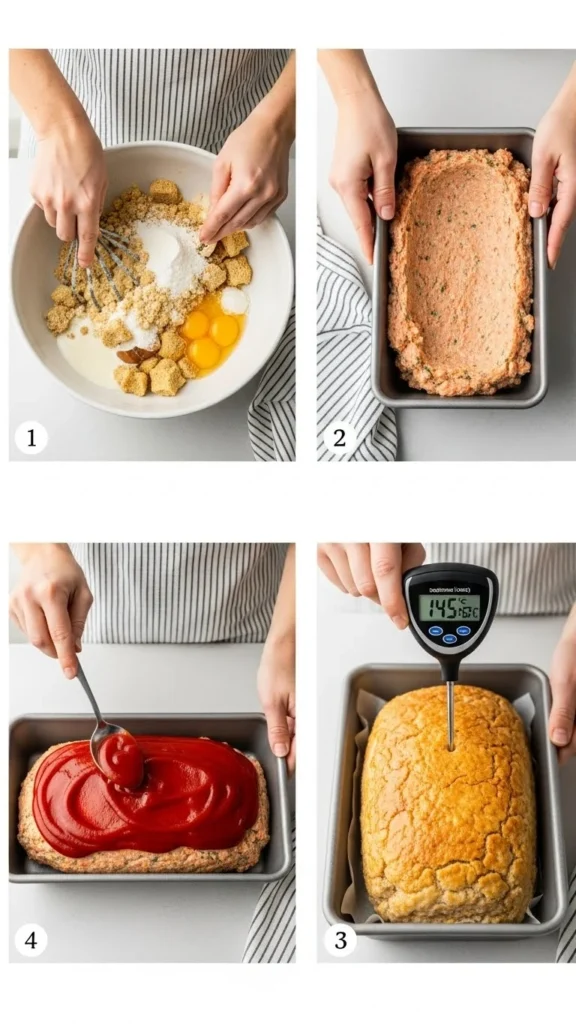
Step 1: Prep your oven and pan
- Preheat your oven to 350°F (175°C).
- Low-to-moderate heat is crucial. Higher heat dries fish out quickly.
- Grease a 9×5-inch loaf pan with butter, oil, or cooking spray.
- For extra moisture insurance, place the loaf pan on a rimmed baking sheet. You can pour a cup of hot water onto the sheet before baking to create gentle, humid heat (a simple water bath effect).
Moisture tip: Salmon is delicate. Baking at 350°F instead of 375–400°F allows the center to cook through before the edges dry out.
Step 2: Prepare the salmon mixture
- In a large mixing bowl, add:
- Flaked salmon (canned or cooked)
- Breadcrumbs
- Gently break up any large chunks of salmon and remove large bones if you prefer. (Most canned salmon bones are soft and rich in calcium, so you can leave them if you like.)
- Add:
- Eggs
- Milk
- Mayonnaise or Greek yogurt
- Onion
- Parsley
- Dijon mustard
- Lemon juice
- Salt, pepper, garlic powder, paprika
- Mix gently with a fork or spatula until everything is evenly combined. Don’t overwork it; you want a cohesive but light mixture, not a paste.
Texture tip: The mixture should be moist and scoopable, like a thick, soft meatloaf mixture. If it looks dry or crumbly:
- Add 1–2 tbsp more milk or yogurt. If it looks soupy:
- Stir in 2–3 tbsp extra breadcrumbs or oats.
Step 3: Shape and smooth the loaf
- Transfer the salmon mixture into your prepared loaf pan.
- Press it down gently to fill the corners and remove air pockets, but don’t compact it too firmly—that can make the loaf dense.
- Smooth the top with a spatula.
Personalization idea: Sprinkle the top with a little extra paprika, black pepper, or even a few lemon slices for presentation.
Step 4: Add the moisture-locking glaze
- In a small bowl, whisk together:
- Ketchup
- Brown sugar or honey
- Dijon mustard
- Lemon juice
- Spread the glaze evenly over the top of the loaf.
This thin layer acts like a barrier, slowing moisture loss while adding color and a sweet-savory finish. It’s a classic trick borrowed from meatloaf that works beautifully for a salmon meatloaf style dish.
Step 5: Bake gently and test for doneness
- Place the loaf pan (on the baking sheet) in the oven.
- Bake for 35–40 minutes, until:
- The top is set and lightly browned.
- The edges are just beginning to pull away from the pan.
- The internal temperature reaches 140–145°F (60–63°C) in the center (use an instant-read thermometer).
Overcooking is the #1 salmon loaf mistake. USDA recommends 145°F for fish; pulling the loaf at the lower end of that range and letting carryover cooking finish the job keeps the texture juicy and tender.
Step 6: Rest before slicing
- Remove the salmon loaf from the oven.
- Let it rest in the pan for 10 minutes.
This rest time allows:
- Moisture to redistribute through the loaf.
- The structure to firm up so slices hold together cleanly.
After resting, slice into 8 pieces and serve warm.
Nutritional Information
Exact values vary by brand and substitutions, but here’s an approximate breakdown per slice (1 of 8), using canned salmon, regular milk, mayo, and standard breadcrumbs.
Approximate nutrition per serving:
- Calories: ~260–290 kcal
- Protein: ~22–25 g
- Fat: ~13–16 g
- Saturated fat: ~3–4 g
- Heart-healthy omega-3s: ~1.5–2 g (from salmon)
- Carbohydrates: ~12–15 g
- Fiber: ~1–2 g
- Sugars: ~2–4 g (including glaze)
- Sodium: ~450–600 mg (varies a lot by canned salmon and added salt)
- Calcium: Higher than typical meatloaf if you include canned salmon bones
According to the American Heart Association, omega-3–rich fish like salmon can support heart health when eaten regularly. This salmon loaf recipe is an approachable, family-friendly way to get more seafood into a weekly rotation.
Healthier Alternatives for the Recipe
You can easily adapt this moist salmon loaf to different dietary needs without sacrificing flavor.
For a lighter, lower-calorie loaf
- Use Greek yogurt instead of mayonnaise.
- Swap regular breadcrumbs for whole-wheat breadcrumbs or rolled oats for more fiber.
- Reduce or skip the brown sugar/honey in the glaze; use mostly ketchup and lemon.
For a higher-protein, lower-carb option
- Replace breadcrumbs with:
- Finely ground oats (slightly more carbs but more fiber), or
- A mix of almond flour and grated Parmesan (start with ¾ cup total and adjust).
- Use nonfat Greek yogurt instead of mayo for more protein with less fat.
For gluten-free
- Use certified gluten-free breadcrumbs or rolled oats.
- Ensure your Dijon mustard and ketchup are gluten-free (most are, but always check labels).
For dairy-free
- Use unsweetened plant milk (soy, almond, or oat).
- Replace Greek yogurt with vegan mayo or a few extra tablespoons of olive oil plus 1–2 tbsp aquafaba (the liquid in a can of chickpeas) if you like a lighter texture.
For lower sodium
- Choose low-sodium canned salmon or rinse the salmon briefly and pat dry.
- Use low-sodium broth instead of salted milk if needed.
- Reduce added salt to ½ tsp and rely more on herbs, lemon juice, and garlic for flavor.
Serving Suggestions
This moist salmon loaf works for cozy dinners, meal prep, and even brunch.
- Classic comfort dinner:
- Serve warm slices with mashed potatoes (or mashed cauliflower), steamed green beans, and a simple green salad.
- Light and fresh:
- Pair with roasted asparagus, lemon wedges, and a cucumber-dill yogurt sauce.
- Meal-prep lunches:
- Pack cold slices with quinoa or brown rice, roasted vegetables, and a drizzle of lemon-tahini dressing.
- Brunch twist:
- Serve thin slices on toasted sourdough with poached eggs and hollandaise for a “salmon loaf Benedict.”
- Sauce ideas:
- Lemon-dill yogurt sauce
- Tartar sauce
- Creamy horseradish sauce
- Simple squeeze of lemon and a sprinkle of fresh herbs
If you enjoy this, you might also like exploring related seafood recipes on our site—search for “salmon patties,” “baked lemon salmon,” or “creamy dill sauce” to build a complete salmon menu.
Common Mistakes to Avoid
Even a great salmon loaf recipe can go wrong if a few key details are missed. Here’s what to watch out for:
- Overbaking the loaf
- Going far over 145°F (63°C) dries out the fish. Always check early, at around 30–35 minutes.
- Using too high an oven temperature
- Baking at 375–400°F browns the outside before the inside sets, leading to a dry, crumbly texture.
- Skipping the moisture-rich ingredients
- Omitting milk, yogurt/mayo, or eggs without proper substitutes makes the loaf dense and dry.
- If you change one moisture ingredient, consider compensating with another (e.g., more yogurt, an extra tbsp of oil, or a bit more milk).
- Not resting before slicing
- Cutting immediately lets juices escape and can cause the loaf to fall apart. Those 10 minutes of rest are critical.
- Overpacking the mixture
- Pressing too firmly into the pan leads to a heavy, compact loaf. Aim for gently packed.
- Too many dry mix-ins
- Adding lots of extra veggies or cheese without increasing liquids can unbalance the moisture. If you add more mix-ins, add a splash more milk or an extra spoonful of yogurt.
Storing Tips for the Recipe
This salmon loaf is excellent for leftovers and meal prep.
Refrigeration
- Cool the loaf completely.
- Store slices in an airtight container for up to 3–4 days.
- Reheat gently:
- In the oven at 300°F (150°C) for 10–15 minutes, covered with foil, or
- In the microwave at 50% power in short bursts to avoid drying.
Freezing
- Slice the cooled loaf.
- Wrap individual slices tightly in plastic wrap or parchment, then place in a freezer bag or airtight container.
- Freeze for up to 2–3 months.
- Thaw overnight in the refrigerator, then reheat as above.
Make-ahead prep
- Assemble the uncooked loaf in the pan, cover tightly, and refrigerate for up to 24 hours before baking.
- Let sit at room temperature for 15–20 minutes while the oven preheats, then bake as directed.
- This is ideal for entertaining or busy weeknights.
Conclusion
This moist salmon loaf recipe uses gentle heat, smart moisture ingredients, and a simple glaze to deliver tender, sliceable results every time. It’s flexible, freezer-friendly, and easy to adapt to different diets. Try it this week, then share your results in the review section or comments on our blog—and don’t forget to subscribe for more tested, easy recipes.
FAQs
Can I use fresh salmon instead of canned?
Yes. Substitute about 3 cups cooked, flaked salmon for the canned salmon. Leftover baked, grilled, or poached salmon works great. Just remove skin and any bones you don’t want to include, and proceed with the recipe as written.
How do I keep my salmon loaf from falling apart?
Three key factors:
- Enough binders – Don’t reduce the eggs or breadcrumbs too much.
- Proper moisture balance – The mixture should be moist but not soupy before baking.
- Rest time – Let the loaf rest 10 minutes after baking so it can firm up.
If you want extra insurance, you can line the loaf pan with parchment, then lift the loaf out after resting to slice on a cutting board.
Can I make this salmon loaf without eggs?
Yes, with some trade-offs. Use 2 flax eggs (2 tbsp ground flax + 6 tbsp water, rested) instead of regular eggs. The loaf may be slightly more delicate, but still flavorful and moist. Let it cool an extra 5 minutes before slicing to help it hold together.
Is this recipe kid-friendly?
Generally yes. The flavor is mild, and the texture is similar to a softer meatloaf. For picky eaters:
- Skip or reduce onion (or grate it very finely).
- Serve with familiar sides—mashed potatoes, peas, or corn.
- Offer ketchup or a mild dipping sauce.
What can I do with leftover salmon loaf?
Leftovers are versatile:
- Serve cold in sandwiches with lettuce, tomato, and mayo.
- Crumble into a salad or grain bowl.
- Pan-fry slices in a little oil until crisp on the edges and serve with eggs for breakfast.
- Break up and use as a filling for wraps or tacos with slaw and a yogurt-lime sauce.