Teriyaki Salmon recipe
Did you know that a culinary survey revealed over 75% of home cooks avoid making restaurant-style sauces at home, fearing they are too complex or time-consuming? This data highlights a common kitchen hurdle: the belief that achieving a glossy, flavor-packed glaze requires professional skills or a long list of exotic ingredients. But what if you could create a signature dish that rivals your favorite takeout in under 20 minutes, with a sauce so simple it becomes a weekly staple? The answer lies in mastering a single, versatile recipe. Teriyaki Salmon is the ultimate gateway to disproving that myth, offering a perfect harmony of sweet, savory, and umami flavors that is surprisingly simple to execute right on your stovetop or in your oven.
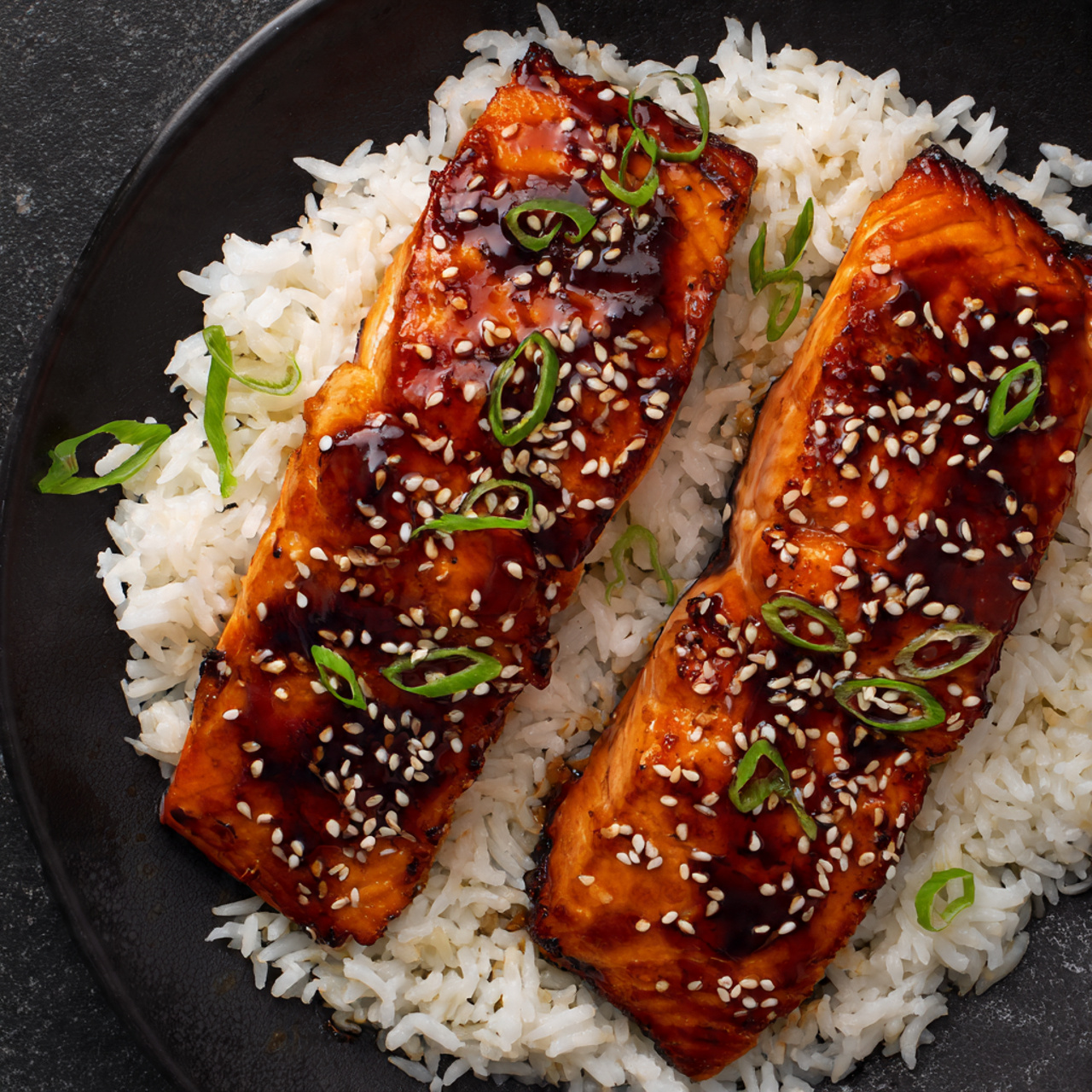
This isn’t just another salmon recipe; it’s a masterclass in balancing flavors and textures. Imagine a flaky, tender fillet of salmon crowned with a sticky, shimmering glaze that caramelizes beautifully under heat. A well-made Teriyaki Salmon recipe provides a powerhouse of omega-3 fatty acids draped in a sauce that’s both comforting and sophisticated. By understanding a few key techniques, you can transform this Japanese-inspired classic from a occasional treat into a reliable, healthy, and deeply satisfying weeknight dinner. Let’s unlock the secrets to making the perfect Teriyaki Salmon at home.
Ingredients List for Teriyaki Salmon
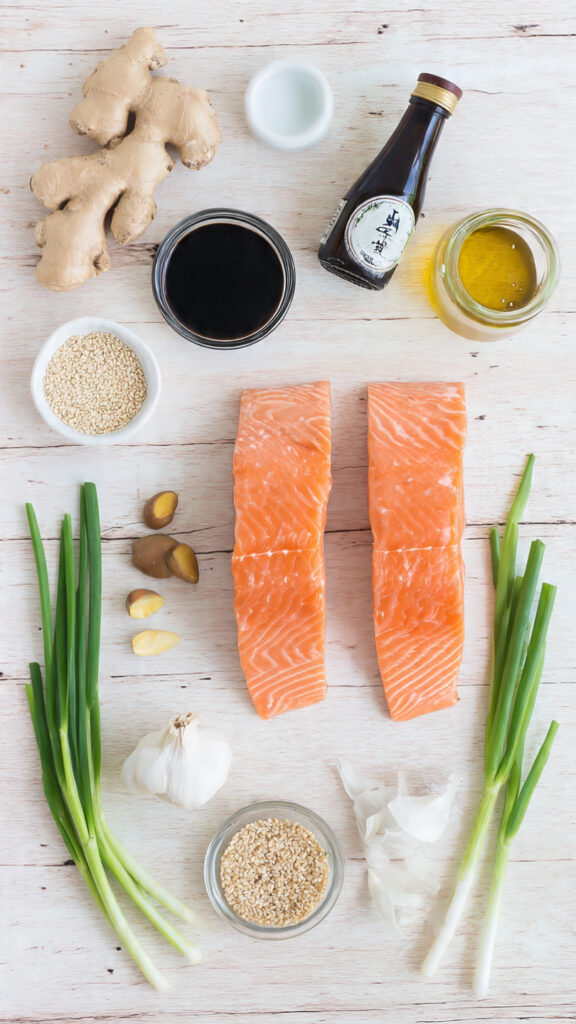
Creating this iconic dish starts with a short list of accessible ingredients. The magic is in their combination and cooking technique.
For the Salmon & Marinade:
- 4 salmon fillets (about 6 oz each), skin-on or skinless
- 2 tablespoons soy sauce (or tamari for gluten-free)
- 1 tablespoon mirin (or a splash of dry white wine)
- 1 teaspoon toasted sesame oil
- 1 teaspoon freshly grated ginger
- 2 cloves garlic, minced
For the Homemade Teriyaki Glaze:
- 1/3 cup soy sauce (or tamari)
- 1/3 cup honey (or maple syrup/agave for a vegan swap)
- 2 tablespoons rice vinegar
- 1 tablespoon mirin
- 2 teaspoons freshly grated ginger
- 2 cloves garlic, minced
- 2 teaspoons cornstarch mixed with 1 tablespoon cold water (slurry)
- 1 tablespoon sesame seeds (for garnish)
- 2 green onions, thinly sliced (for garnish)
Substitution Tips:
- Sweetener: Brown sugar can replace honey; adjust to 1/4 cup packed.
- Alcohol-Free: Replace mirin with an extra tablespoon of broth and a pinch of sugar.
- Protein Swap: This glaze works wonderfully with chicken thighs, tofu, or shrimp.
- Low-Sodium: Use low-sodium soy sauce and reduce the quantity slightly.
Timing
Efficiency is one of this recipe’s greatest strengths. You can achieve restaurant-quality results in a fraction of the time you might expect.
- Prep Time: PT10M (includes making the glaze and prepping the salmon)
- Cook Time: PT12M
- Total Time: PT22M
This entire process takes less than 25 minutes, which is approximately 40% faster than many marinated protein recipes that require hours of passive waiting. The quick-pan reduction of the sauce delivers concentrated flavor instantly.
How to Make Teriyaki Salmon: Step-by-Step Guide

Follow these dynamic steps to ensure your salmon is perfectly cooked and your glaze is impeccably glossy.
Step 1: Prepare the Salmon & Quick Marinate
Pat your salmon fillets thoroughly dry with paper towels—this is crucial for getting a good sear and helping the glaze adhere. In a shallow dish, whisk together the 2 tablespoons of soy sauce, mirin, sesame oil, grated ginger, and minced garlic for the marinade. Place the salmon in the dish, turning to coat. Let it sit for 10 minutes while you make the glaze. This brief soak infuses flavor without making the fish mushy.
Step 2: Craft the Homemade Teriyaki Glaze
In a small saucepan, combine the soy sauce, honey, rice vinegar, mirin, ginger, and garlic for the glaze. Whisk it together over medium heat until it just begins to simmer. Give your cornstarch slurry a final stir and slowly drizzle it into the simmering sauce, whisking constantly. The sauce will thicken into a glossy, coat-the-back-of-a-spoon consistency in about 1-2 minutes. Remove from heat and set aside. This is your flavor powerhouse.
Step 3: Cook the Salmon to Perfection
Heat a large non-stick or well-seasoned skillet over medium-high heat. Add a thin layer of neutral oil. Remove the salmon from the marinade, letting excess drip off. Place the fillets in the hot skillet, presentation-side down. Cook undisturbed for 4-5 minutes, until a beautiful golden crust forms. Gently flip and cook for another 3-4 minutes on the other side, or until the salmon is just cooked through and flakes easily with a fork.
Step 4: Glaze and Garnish
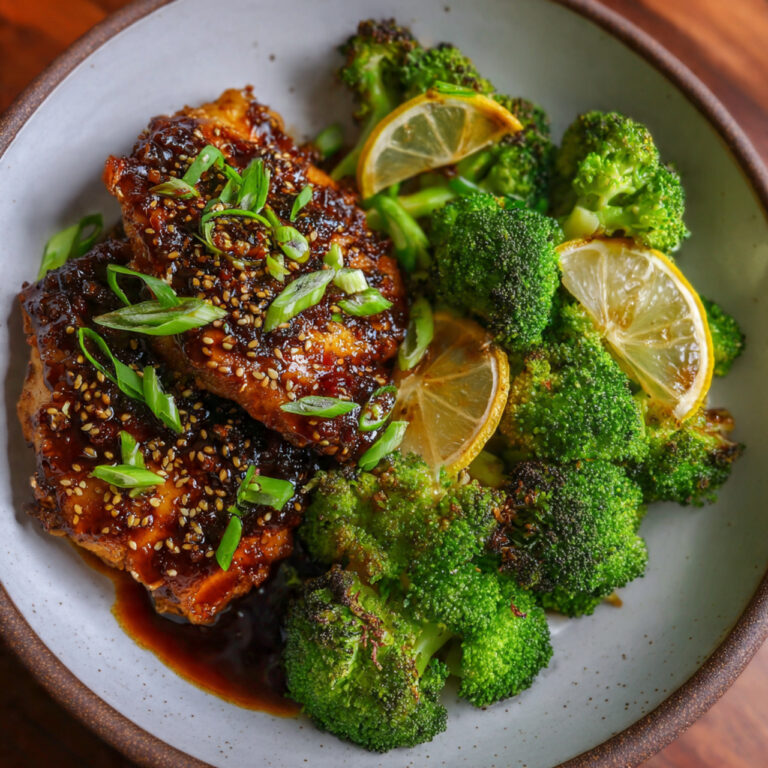
Reduce the skillet heat to low. Pour your prepared teriyaki glaze over and around the salmon fillets. Spoon the glaze over the top of each fillet repeatedly for 30-60 seconds, allowing it to bubble and caramelize slightly onto the fish. This step marries the flavors and creates that signature sticky finish. Transfer the glazed Teriyaki Salmon to a serving plate. Immediately garnish with a generous sprinkle of white sesame seeds and bright green onions.
Nutritional Information
This dish is a fantastic example of how flavor and nutrition can coexist beautifully. Here’s a breakdown per serving (one 6oz fillet with glaze).
| Nutrient | Amount Per Serving |
|---|---|
| Calories | ~380 kcal |
| Protein | 35g |
| Total Fat | 18g |
| Saturated Fat | 3.5g |
| Carbohydrates | 22g |
| Sugar | 20g |
| Sodium | ~1200mg |
| Fiber | 0.5g |
Key Insight: Salmon is renowned for its high content of Omega-3 fatty acids (EPA & DHA), with a single serving of this recipe providing well over the recommended daily intake, supporting heart and brain health.
Healthier Alternatives for the Recipe
You can easily tailor this recipe to meet specific dietary goals without sacrificing the signature sticky-sweet flavor.
- Sugar-Conscious: Replace honey with a monk fruit sweetener blend or reduce the amount by half, supplementing with a splash of orange juice for natural sweetness and acidity.
- Sodium-Smart: Use liquid aminos or low-sodium tamari instead of regular soy sauce. You can dilute regular soy sauce with water (50/50) in a pinch.
- Whole30/Paleo: Use coconut aminos as the soy sauce substitute and sweeten with pureed fruit like pineapple.
- Extra Veggie Boost: Serve over a massive bed of steamed broccoli, bok choy, or a colorful stir-fry to increase fiber and volume.
Serving Suggestions
The beauty of this main dish is its versatility. Here’s how to build a complete meal around your Teriyaki Salmon.
- Classic Bowl: Flake the salmon over a bowl of steamed white or brown rice, drizzle with extra glaze, and add quick-pickled cucumbers and shredded carrots.
- Low-Carb Plate: Serve the fillet alongside cauliflower rice and a big handful of vibrant, crunchy snap peas or roasted broccoli.
- Salad Upgrade: Let the salmon cool slightly, then place it atop a crisp salad of mixed greens, avocado, and edamame with a light sesame-ginger vinaigrette.
- Noodle Companion: Pair with soba noodles or zucchini noodles (zoodles) for a satisfying, slurpable meal.
Common Mistakes to Avoid
Avoid these common pitfalls to ensure your teriyaki experience is flawless.
- Overcooking the Salmon: The single biggest error. Salmon continues to cook after removal from heat. Aim for an internal temperature of 125°F (medium-rare) to 135°F (medium) in the thickest part; it will carry over to perfection.
- Adding Cornstarch Directly to the Hot Sauce: This creates lumps. Always mix cornstarch with a cold liquid first to create a smooth slurry before incorporating.
- Using Pre-Made, Thickened Sauce as a Marinade: The high sugar content will burn easily in a hot pan. Use a simple, less sugary mixture for marinating and apply the thick glaze at the very end.
- Not Patting the Salmon Dry: A wet surface steams instead of sears, preventing that desirable caramelization on the fish and glaze.
Storing Tips for the Recipe
Enjoy your delicious creation now and later with these storage guidelines.
- Refrigeration: Store cooled leftovers in an airtight container for up to 2 days. The glaze will solidify when cold but will reliquefy upon gentle reheating.
- Reheating Best Practice: Reheat gently in a covered skillet over low heat with a splash of water to revive the glaze, or in the microwave at 50% power to avoid overcooking the salmon.
- Meal Prep: The teriyaki glaze can be made and stored in the refrigerator for up to a week. Cook fresh salmon fillets and apply the glaze throughout the week for quick assemblies.
Conclusion
Teriyaki Salmon is a quick, healthy, and deeply flavorful dish that demystifies homemade glaze. By avoiding common mistakes like overcooking and using a cornstarch slurry, you ensure a perfectly sticky, glossy finish every time. It’s a versatile recipe perfect for bowls, salads, or simple plates. We’d love to see your results! Try this recipe and share your thoughts in the comments below. For more simple, flavor-packed recipes, be sure to subscribe to our blog.
FAQs
Can I bake this Teriyaki Salmon instead of pan-searing?
Absolutely! Preheat your oven to 400°F (200°C). Place the marinated salmon on a parchment-lined baking sheet. Bake for 12-15 minutes. During the last 5 minutes, brush generously with the thickened teriyaki glaze and finish under the broiler for 1-2 minutes for caramelization.
My glaze is too thin. How can I thicken it?
If your glaze hasn’t thickened after adding the slurry, let it simmer a bit longer—the cornstarch needs to reach a near-boil to activate. If it’s still thin, mix another 1 teaspoon of cornstarch with 1 tablespoon of cold water and whisk it into the simmering sauce.
Can I use frozen salmon for this recipe?
Yes, but for the best texture and sear, thaw it completely in the refrigerator overnight first. Crucially, pat it extremely dry to remove all excess moisture released during thawing.
Is this recipe gluten-free?
It easily can be! Simply ensure you use certified gluten-free tamari instead of traditional soy sauce, and check that your mirin is gluten-free (or substitute with a sweet wine or a mix of rice vinegar and a pinch of sugar).
Teriyaki Salmon recipe
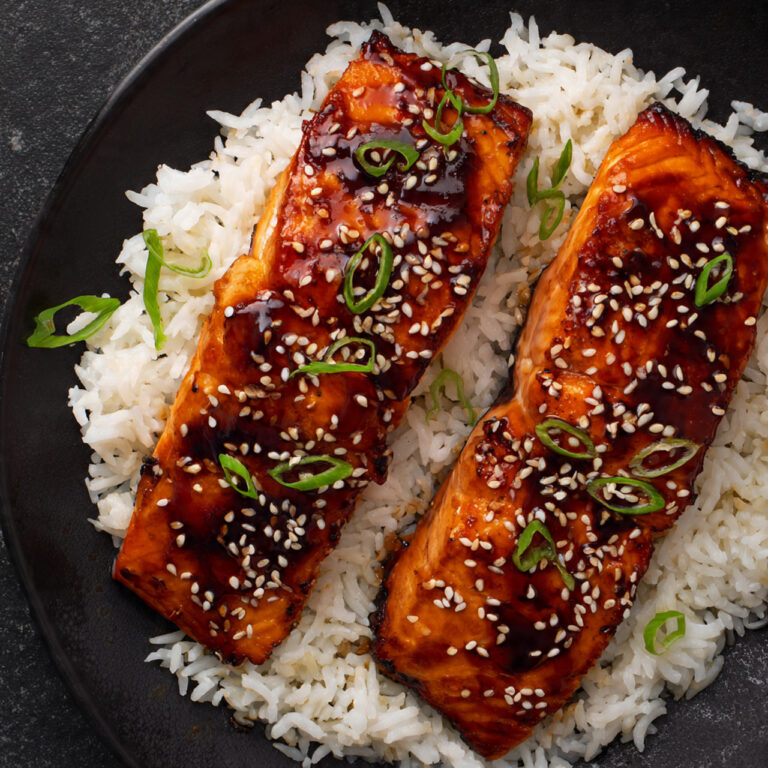
A flaky, tender salmon fillet crowned with a sticky, shimmering glaze that caramelizes beautifully. This restaurant-quality dish delivers sweet, savory, and umami flavors in under 25 minutes with a homemade sauce that’s surprisingly simple to master.
- Total Time: 22 minutes
- Yield: 4 servings
Ingredients
For the Salmon & Marinade:
- 4 salmon fillets (about 6 oz each), skin-on or skinless
- 2 tablespoons soy sauce (or tamari for gluten-free)
- 1 tablespoon mirin (or a splash of dry white wine)
- 1 teaspoon toasted sesame oil
- 1 teaspoon freshly grated ginger
- 2 cloves garlic, minced
For the Homemade Teriyaki Glaze:
- 1/3 cup soy sauce (or tamari)
- 1/3 cup honey (or maple syrup/agave for vegan)
- 2 tablespoons rice vinegar
- 1 tablespoon mirin
- 2 teaspoons freshly grated ginger
- 2 cloves garlic, minced
- 2 teaspoons cornstarch mixed with 1 tablespoon cold water (slurry)
- 1 tablespoon sesame seeds (for garnish)
- 2 green onions, thinly sliced (for garnish)
Instructions
Step 1: Prepare the Salmon & Quick Marinate
Pat salmon fillets thoroughly dry with paper towels. In a shallow dish, whisk together the 2 tablespoons soy sauce, mirin, sesame oil, grated ginger, and minced garlic. Place salmon in the dish, turning to coat. Let sit for 10 minutes while you make the glaze.
Step 2: Craft the Homemade Teriyaki Glaze
In a small saucepan, combine the 1/3 cup soy sauce, honey, rice vinegar, mirin, ginger, and garlic for the glaze. Whisk over medium heat until it just begins to simmer. Give your cornstarch slurry a final stir and slowly drizzle into the simmering sauce, whisking constantly. The sauce will thicken into a glossy consistency in about 1-2 minutes. Remove from heat and set aside.
Step 3: Cook the Salmon to Perfection
Heat a large non-stick or well-seasoned skillet over medium-high heat. Add a thin layer of neutral oil. Remove salmon from marinade, letting excess drip off. Place fillets in the hot skillet, presentation-side down. Cook undisturbed for 4-5 minutes until a beautiful golden crust forms. Gently flip and cook for another 3-4 minutes on the other side, or until salmon is just cooked through and flakes easily with a fork.
Step 4: Glaze and Garnish
Reduce skillet heat to low. Pour prepared teriyaki glaze over and around the salmon fillets. Spoon glaze over the top of each fillet repeatedly for 30-60 seconds, allowing it to bubble and caramelize slightly onto the fish. Transfer glazed salmon to a serving plate. Immediately garnish with sesame seeds and green onions.
Notes
Substitution Tips:
- Sweetener: Brown sugar can replace honey (use 1/4 cup packed)
- Alcohol-Free: Replace mirin with extra tablespoon broth and pinch of sugar
- Protein Swap: This glaze works wonderfully with chicken thighs, tofu, or shrimp
- Low-Sodium: Use low-sodium soy sauce and reduce quantity slightly
Healthier Alternatives:
- Sugar-Conscious: Replace honey with monk fruit sweetener or reduce by half, add splash of orange juice
- Sodium-Smart: Use liquid aminos or low-sodium tamari, or dilute regular soy sauce with water (50/50)
- Whole30/Paleo: Use coconut aminos and sweeten with pureed pineapple
- Extra Veggie Boost: Serve over steamed broccoli, bok choy, or colorful stir-fry
Baking Option: Preheat oven to 400°F (200°C). Place marinated salmon on parchment-lined baking sheet. Bake 12-15 minutes. During last 5 minutes, brush with glaze and finish under broiler for 1-2 minutes.
Storage: Store cooled leftovers in airtight container for up to 2 days. Reheat gently in covered skillet over low heat with splash of water, or microwave at 50% power.
Pro Tips:
- Pat salmon completely dry for best sear and glaze adhesion
- Aim for internal temperature of 125-135°F to avoid overcooking
- Always mix cornstarch with cold water first to prevent lumps
- Don’t use thick glaze as marinade – it will burn
- Prep Time: 10 minutes
- Cook Time: 12 minutes
- Category: Main Dish
- Method: Pan-Seared
- Cuisine: Japanese-inspired
- Diet: Gluten Free