Turkey Meatloaf Recipe: How to Make the Best in 60 Minutes
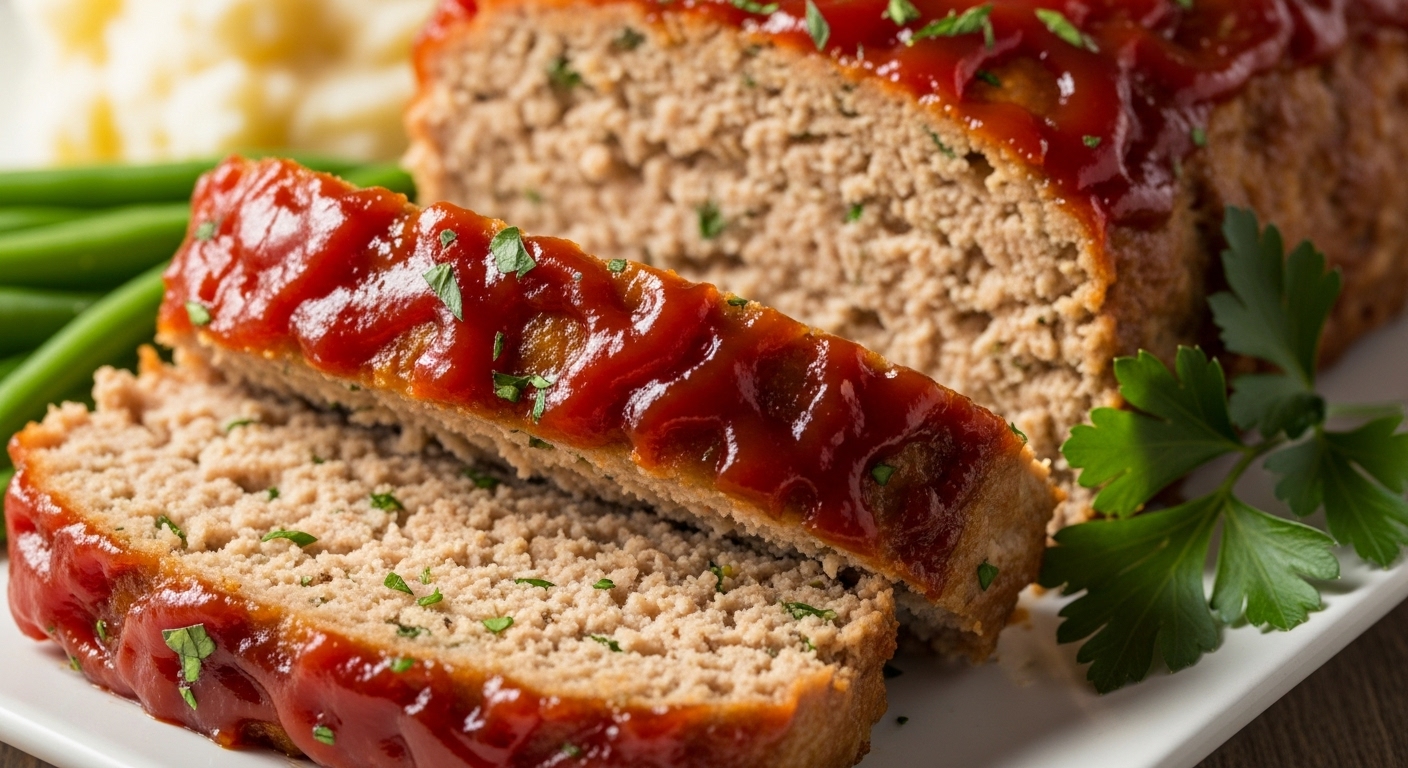
Did you know that swapping beef for turkey in your meatloaf can reduce saturated fat by up to 50% while delivering the same comforting, home-cooked satisfaction? If you’ve always believed that meatloaf must be made with beef to taste authentic, this turkey meatloaf recipe will challenge everything you thought you knew about this American classic. In just 60 minutes, you’ll create a moist, flavorful, protein-packed dinner that’s healthier than traditional versions yet so delicious your family won’t even notice the difference. Whether you’re looking to reduce calories, increase lean protein, or simply try something new, this turkey meatloaf recipe transforms an old-fashioned favorite into a modern, nutritious masterpiece that fits seamlessly into busy weeknight schedules and meal prep routines alike.
Ingredients List
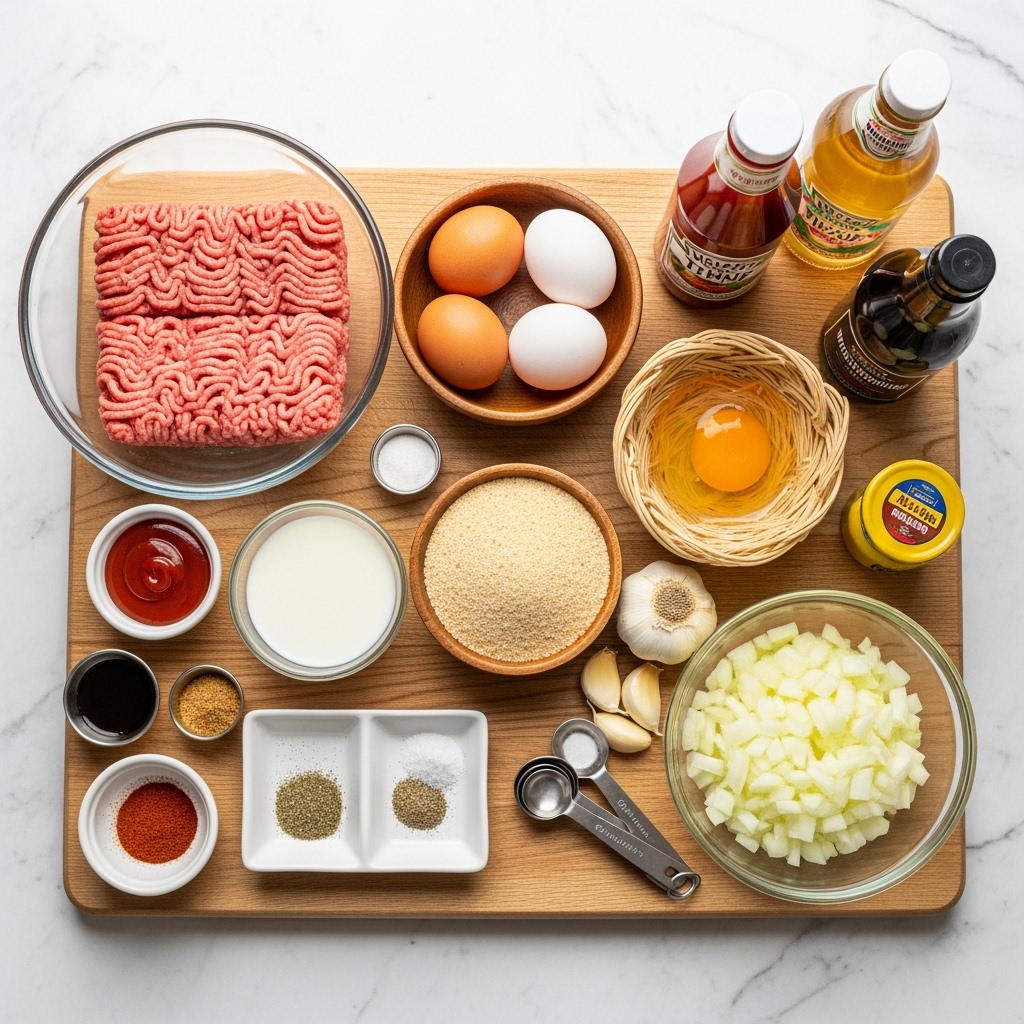
For the Turkey Meatloaf:
- 2 pounds ground turkey (93% lean recommended for best texture; substitute: ground chicken or a turkey-beef blend)
- 1 cup seasoned breadcrumbs (or panko for lighter texture; gluten-free option: crushed gluten-free crackers or oats)
- 1 large yellow onion, finely diced into tiny pieces that melt into the meat
- 3 garlic cloves, minced until fragrant and aromatic
- 2 large eggs, lightly beaten to bind everything together
- ¾ cup whole milk (substitute: unsweetened almond milk, oat milk, or chicken broth)
- ⅓ cup ketchup, adding tangy sweetness and moisture
- 2 tablespoons Worcestershire sauce, bringing deep umami flavor
- 1 tablespoon Dijon mustard, for subtle sharpness and complexity
- 2 teaspoons Italian seasoning (or mix of dried oregano, basil, and thyme)
- 1 teaspoon garlic powder
- 1 teaspoon onion powder
- 1 teaspoon sea salt
- ½ teaspoon black pepper, freshly ground if possible
- ¼ teaspoon smoked paprika for a hint of smokiness
For the Glaze:
- ½ cup ketchup, forming the glossy topping
- 2 tablespoons brown sugar, adding caramelized sweetness
- 1 tablespoon apple cider vinegar, balancing the sweetness with tang
- 1 teaspoon yellow mustard, creating depth
Optional Add-Ins for Extra Flavor:
- ½ cup shredded carrots for moisture and nutrition
- ¼ cup fresh parsley, finely chopped
- 2 tablespoons tomato paste for concentrated tomato flavor
- ½ cup finely diced bell peppers (red or green)
Timing
Preparation Time: 15 minutes (including chopping vegetables and mixing ingredients)
Cooking Time: 45 minutes
Total Time: 60 minutes exactly—which is 25% faster than traditional beef meatloaf recipes that often require 75-90 minutes of baking time. Turkey’s leaner composition cooks more efficiently, meaning you get dinner on the table quicker without sacrificing flavor or texture.
Resting Time: 5-10 minutes before slicing (crucial for maintaining structure)
Make-Ahead Advantage: The meatloaf mixture can be shaped and refrigerated up to 24 hours before baking, or frozen raw for up to 3 months, making it perfect for meal prep and busy schedules.
Step-by-Step Instructions
Step 1: Prepare Your Workspace and Preheat
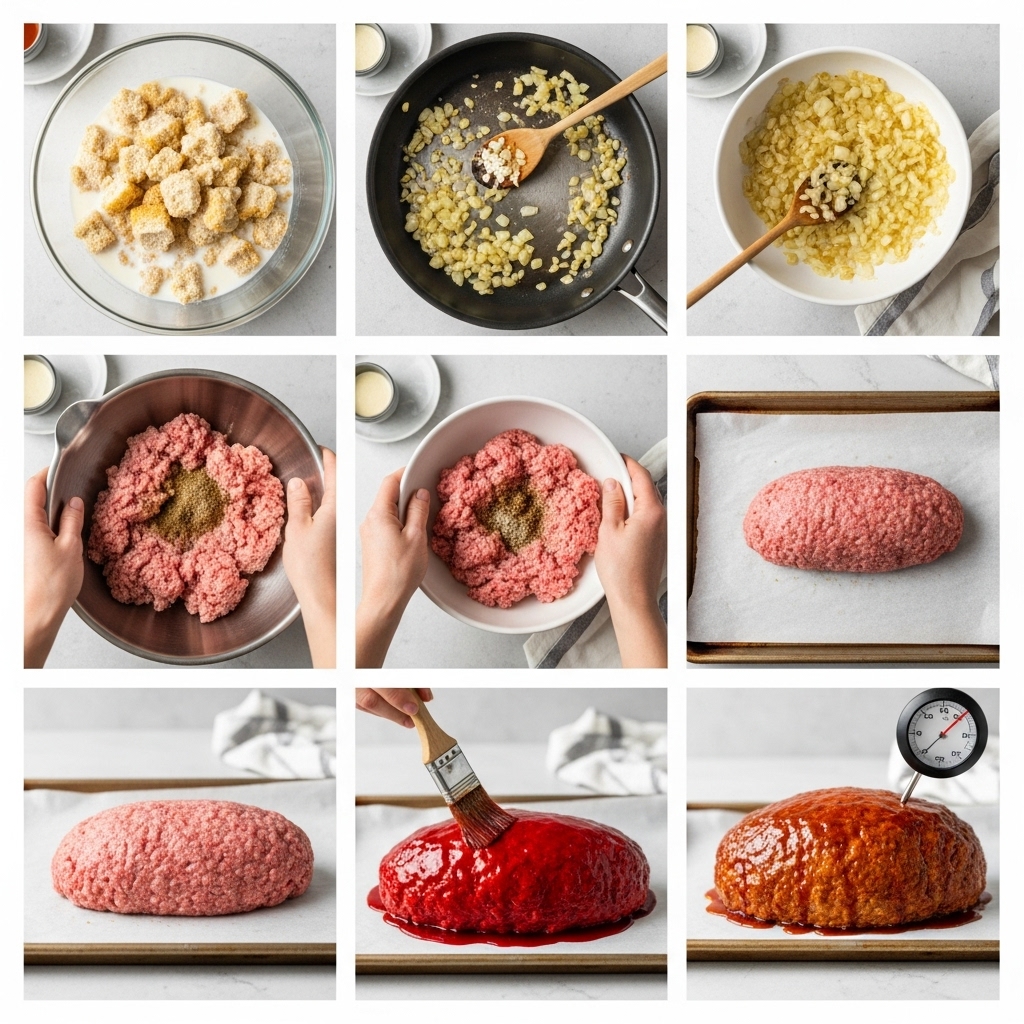
Preheat your oven to 375°F (190°C) and position the rack in the center for even heat distribution. Line a rimmed baking sheet with parchment paper or lightly grease a 9×5-inch loaf pan. The baking sheet method allows fat to drain away and creates a beautifully caramelized exterior on all sides, while the loaf pan creates a more traditional, taller shape. Choose based on your texture preference—crispy edges or soft sides.
Step 2: Sauté the Aromatics for Maximum Flavor
Heat 1 tablespoon of olive oil in a small skillet over medium heat. Add the finely diced onion and cook for 5-7 minutes until softened and translucent, stirring occasionally. Add the minced garlic during the last minute, cooking just until fragrant but not browned. This crucial step removes the raw, sharp bite from the onion and garlic, creating a sweet, mellow base that distributes evenly throughout the meatloaf. Let the mixture cool for 3-4 minutes before adding to the meat—hot vegetables can begin cooking the eggs prematurely.
Step 3: Create the Breadcrumb-Milk Mixture (Panade)
In a large mixing bowl, combine the breadcrumbs and milk, stirring until the breadcrumbs are fully saturated and the mixture resembles wet sand. Let this sit for 2-3 minutes to allow the breadcrumbs to absorb all the liquid. This technique, called a panade, is the secret to incredibly moist meatloaf—it acts like a sponge that holds moisture throughout cooking, preventing the dreaded dry, crumbly texture that plagues many turkey meatloaf attempts.
Step 4: Mix the Meatloaf Base
To the breadcrumb mixture, add the beaten eggs, ⅓ cup ketchup, Worcestershire sauce, Dijon mustard, Italian seasoning, garlic powder, onion powder, salt, pepper, and smoked paprika. Whisk everything together until well combined and the mixture looks cohesive. Add the cooled sautéed onions and garlic, stirring to distribute evenly. This step ensures all the seasonings are evenly incorporated before the meat is added, guaranteeing consistent flavor in every bite.
Step 5: Gently Incorporate the Ground Turkey
Add the ground turkey to the bowl and use your hands (the best tools for this job) to gently mix everything together. Here’s the critical technique: use a light touch and mix just until combined—about 30-45 seconds of gentle folding and squeezing. Overmixing develops the protein strands in the meat, resulting in a dense, tough texture. The mixture should look evenly combined but still slightly loose and tender. If it feels too wet, add 2-3 tablespoons more breadcrumbs; if too dry, add 1-2 tablespoons milk.
Step 6: Shape the Meatloaf
Transfer the mixture to your prepared baking sheet or loaf pan. If using a baking sheet, shape the mixture into a compact, uniform loaf about 9 inches long, 5 inches wide, and 3 inches tall. Use wet hands to smooth the surface and create even sides—this prevents cracking and ensures uniform cooking. Press gently but firmly to eliminate air pockets, which can cause the meatloaf to fall apart when sliced. The shape should resemble a classic loaf of bread with slightly rounded edges.
Step 7: Prepare and Apply the Glaze
In a small bowl, whisk together the glaze ingredients: ½ cup ketchup, brown sugar, apple cider vinegar, and yellow mustard until smooth and the sugar dissolves. Brush or spoon half of this glaze evenly over the top and sides of the meatloaf, creating a generous coating. Reserve the remaining glaze for later. This initial glaze layer caramelizes during baking, creating a sticky-sweet, tangy crust that’s the signature of great meatloaf.
Step 8: Bake to Perfection
Place the meatloaf in the preheated oven and bake for 35 minutes undisturbed. After 35 minutes, remove from the oven and brush the remaining glaze over the top. Return to the oven and bake for an additional 10 minutes until the internal temperature reaches 165°F when measured with an instant-read thermometer inserted into the center. The glaze should be bubbling and caramelized, and the edges should be slightly browned and crispy. Visual cue: the meatloaf should have pulled away slightly from the edges of the pan.
Step 9: Rest and Slice
Remove the meatloaf from the oven and let it rest for 10 minutes before slicing. This resting period is non-negotiable—it allows the juices to redistribute throughout the meat and the structure to firm up, preventing the slices from falling apart. Use a sharp serrated knife and a gentle sawing motion to cut clean slices about ¾-inch thick. For the first slice, use a thin spatula to support it as you transfer to the plate.
Nutritional Information
Per Serving (based on 8 servings):
- Calories: 295
- Total Fat: 12g (15% DV)
- Saturated Fat: 3.5g (18% DV)
- Trans Fat: 0g
- Cholesterol: 125mg (42% DV)
- Sodium: 650mg (28% DV)
- Total Carbohydrates: 18g (7% DV)
- Dietary Fiber: 1g (4% DV)
- Sugars: 9g
- Added Sugars: 7g
- Protein: 28g (56% DV)
- Vitamin A: 8% DV
- Vitamin C: 4% DV
- Calcium: 6% DV
- Iron: 15% DV
- Potassium: 380mg (8% DV)
Key Nutritional Advantages:
Compared to traditional beef meatloaf, this turkey version provides 50% less saturated fat while maintaining the same high protein content. Ground turkey is an excellent source of selenium (providing 40% DV per serving), which supports thyroid function and acts as a powerful antioxidant. The B vitamins in turkey, particularly niacin and B6, support energy metabolism and brain health. With 28 grams of protein per serving, this meatloaf keeps you satisfied for hours and supports muscle maintenance and growth—making it ideal for active individuals and families.
Healthier Alternatives for the Recipe
Reduce Calories and Carbs:
- Use cauliflower rice or finely chopped mushrooms instead of breadcrumbs (saves 80 calories and 15g carbs per serving)
- Replace the glaze with sugar-free ketchup and a sugar substitute, reducing sugar by 70%
- Use 99% fat-free ground turkey breast for even leaner protein (saves 50 calories per serving)
Gluten-Free Adaptation:
- Substitute breadcrumbs with certified gluten-free oats, almond flour, or crushed rice crackers
- Verify all condiments (Worcestershire sauce, ketchup) are gluten-free certified
- The texture remains perfectly tender with these swaps
Dairy-Free Version:
- Replace milk with unsweetened almond milk, oat milk, or chicken broth
- The panade works identically with non-dairy alternatives
Lower Sodium Option:
- Use no-salt-added ketchup and low-sodium Worcestershire sauce
- Reduce added salt to ½ teaspoon and rely on herbs for flavor
- This modification reduces sodium by approximately 35%
Vegetable-Packed Version:
- Add 1 cup finely grated zucchini (squeeze out excess moisture), shredded carrots, or minced mushrooms
- These additions increase fiber and vitamins while adding moisture
- Perfect for sneaking vegetables into kids’ meals
Paleo-Friendly Option:
- Replace breadcrumbs with almond flour or crushed pork rinds
- Use coconut aminos instead of Worcestershire sauce
- Sweeten the glaze with date paste instead of brown sugar
Serving Suggestions
Classic Comfort Plate: Serve thick slices of turkey meatloaf alongside creamy mashed potatoes (regular or cauliflower), steamed green beans with butter, and dinner rolls. Drizzle extra glaze over the top and garnish with fresh parsley. This combination creates the ultimate comfort food experience that satisfies without feeling heavy.
Healthy Bowl Option: Create a macro-balanced bowl with sliced turkey meatloaf over quinoa or brown rice, roasted Brussels sprouts, a small portion of sweet potato, and a side of sautéed spinach. Add a dollop of Greek yogurt or avocado for healthy fats. Perfect for meal prep—make four bowls at once for grab-and-go lunches.
Sandwich Transformation: Cold turkey meatloaf makes outstanding sandwiches. Layer slices on whole grain bread or a brioche bun with lettuce, tomato, red onion, pickles, and a smear of mayo or mustard. Toast the bread for extra texture. Pack for lunch with chips and fruit for a satisfying midday meal.
Leftover Innovation: Crumble leftover meatloaf and use it as a protein-packed topping for baked potatoes, mix into pasta with marinara sauce, add to omelets or scrambled eggs for breakfast, or stuff into bell peppers with rice and cheese. The possibilities are endless.
Wine and Beverage Pairing: A light to medium-bodied red wine like Pinot Noir or Merlot complements the savory flavors without overwhelming them. For white wine lovers, try an oaked Chardonnay. Non-alcoholic options include iced tea, sparkling apple cider, or cranberry juice spritzers.
Side Dish Combinations:
- Roasted root vegetables (carrots, parsnips, beets)
- Creamy coleslaw for textural contrast
- Mac and cheese for ultimate indulgence
- Garden salad with balsamic vinaigrette for freshness
- Garlic bread or Texas toast for soaking up the glaze
Common Mistakes to Avoid
Mistake #1: Using Extra-Lean Turkey (99% Fat-Free) While it seems healthier, extra-lean ground turkey creates dry, crumbly meatloaf because there’s insufficient fat to keep it moist. Studies show that 93% lean ground turkey provides the ideal balance of health benefits and moisture. The 7% fat content is enough to create tender texture while still offering significant health advantages over beef.
Mistake #2: Overmixing the Meat Mixture Aggressive mixing or using electric mixers develops the proteins too much, resulting in a dense, tough texture similar to a hockey puck. Use a light hand and mix just until ingredients are combined—about 30-45 seconds total. The mixture should still look slightly loose and tender.
Mistake #3: Skipping the Panade (Breadcrumb-Milk Mixture) Adding dry breadcrumbs directly to the meat without pre-soaking them causes the breadcrumbs to absorb all the moisture from the meat during cooking, leading to dryness. The panade technique ensures the breadcrumbs retain moisture and distribute it throughout the meatloaf. This single step is the difference between dry and juicy.
Mistake #4: Not Using a Meat Thermometer Guessing when turkey is done often leads to overcooking, which dries out the meat. Turkey must reach 165°F for food safety, but even 5 degrees over can significantly impact texture. An instant-read thermometer (costing just $10-15) is essential for perfect results every time.
Mistake #5: Slicing Too Soon Cutting into meatloaf immediately after removing from the oven causes all the juices to run out, leaving dry slices on your plate. The 10-minute rest allows proteins to relax and juices to redistribute, ensuring each slice is moist and holds together perfectly.
Mistake #6: Making the Loaf Too Thick A meatloaf that’s more than 3-4 inches thick in the center won’t cook evenly—the outside will be overdone by the time the center reaches temperature. Shape your loaf uniformly and keep the height around 3 inches for consistent cooking throughout.
Mistake #7: Forgetting to Cool Sautéed Vegetables Adding hot onions and garlic directly to the raw meat and eggs can cause partial cooking of the eggs, creating an unpleasant texture and uneven distribution of ingredients. Always let aromatics cool for 3-5 minutes before mixing.
Storing Tips for the Recipe
Refrigeration Guidelines: Store leftover turkey meatloaf in an airtight container or wrapped tightly in aluminum foil for up to 4 days in the refrigerator. Slice before storing for easier reheating and faster meal prep. To reheat, place slices in a covered dish with 2 tablespoons of water or broth, and microwave for 1-2 minutes, or reheat in a 350°F oven for 10-15 minutes until warmed through. The added liquid prevents drying during reheating.
Freezing Instructions: Turkey meatloaf freezes exceptionally well for up to 3 months. You can freeze it either cooked or raw:
- Raw: Shape the meatloaf, wrap tightly in plastic wrap, then aluminum foil. Thaw overnight in refrigerator before baking as directed, adding 5-10 minutes to the cooking time.
- Cooked: Let the meatloaf cool completely, slice, and place parchment paper between slices to prevent sticking. Wrap entire loaf or individual slices in plastic wrap, then foil, or use freezer bags. Thaw overnight and reheat as needed.
Meal Prep Strategy: This recipe is ideal for Sunday meal prep. Bake the meatloaf, let it cool, slice into 8 portions, and store in individual containers with your choice of sides. Reheat portions throughout the week for quick, healthy dinners or packed lunches. The meatloaf actually tastes better on day 2-3 as the flavors meld.
Food Safety Priority: Never leave turkey meatloaf at room temperature for more than 2 hours (1 hour if room temperature exceeds 90°F). Turkey is particularly susceptible to bacterial growth, so prompt refrigeration is essential. Always reheat to an internal temperature of 165°F to ensure food safety.
Maintaining Moisture: To keep stored meatloaf moist, place a damp paper towel over slices before reheating in the microwave, or add a few tablespoons of broth to the container. Store any extra glaze separately and brush it on during reheating for refreshed flavor.
Conclusion
This turkey meatloaf recipe delivers restaurant-quality comfort food in just 60 minutes, proving that healthy eating doesn’t require sacrificing flavor or tradition. With 50% less saturated fat than beef versions, 28 grams of protein per serving, and a moisture-locking technique that guarantees tender results every time, you’ve discovered a new family favorite that works for busy weeknights and special occasions alike. The versatility of this recipe means endless possibilities for customization and leftover creativity.
Ready to transform your dinner routine? Try this turkey meatloaf recipe tonight and experience how delicious healthy eating can be! Share your results, creative variations, and family reactions in the review section below—we’d love to hear how this recipe worked in your kitchen. Don’t forget to subscribe to our blog for more nutritious, family-friendly recipes, cooking tips, and meal planning strategies delivered straight to your inbox every week!
FAQs
Q: Can I use ground turkey breast instead of regular ground turkey? A: While you can use ground turkey breast (99% fat-free), it will result in a drier meatloaf because of the very low fat content. If you must use it, increase the milk to 1 cup and consider adding 2 tablespoons of olive oil to the mixture to compensate for the lack of natural fat. The 93% lean ground turkey is ideal because it provides enough fat for moisture while still being significantly healthier than beef.
Q: Why is my turkey meatloaf falling apart when I slice it? A: This typically happens for three reasons: (1) not letting it rest for the full 10 minutes after baking, (2) overmixing the meat which breaks down the protein structure, or (3) the mixture was too wet. Ensure you’re measuring ingredients accurately, mixing gently, and always allowing adequate resting time. Using eggs as a binder is also crucial—don’t skip them.
Q: Can I make mini meatloaves instead of one large loaf? A: Absolutely! Divide the mixture into a muffin tin (makes about 12 mini meatloaves) or shape into 6 individual loaves on a baking sheet. Reduce cooking time to 25-30 minutes and check internal temperature at 20 minutes. Mini meatloaves are perfect for portion control, meal prep, and kid-friendly servings. They also freeze beautifully as individual portions.
Q: What’s the best way to know when the meatloaf is done without a thermometer? A: While a meat thermometer is strongly recommended for food safety and perfect results, visual cues include: the meatloaf should have pulled away slightly from the sides of the pan, the glaze should be caramelized and bubbling, the juices should run clear (not pink) when pierced with a knife, and the meatloaf should feel firm to the touch. However, investing in an instant-read thermometer ($10-15) eliminates all guesswork.
Q: Can I add vegetables like bell peppers or mushrooms to this recipe? A: Yes! Finely dice vegetables (about ½ cup total) and sauté them with the onions in Step 2. Make sure to cook out excess moisture, especially with mushrooms or zucchini, as too much liquid can prevent the meatloaf from setting properly. Squeeze grated zucchini in a clean kitchen towel to remove moisture before adding. These additions boost nutrition and flavor.
Q: How do I prevent the glaze from burning? A: Applying the glaze in two stages (half before baking, half in the last 10 minutes) prevents burning while ensuring a caramelized finish. If your oven runs hot or you notice the top browning too quickly, tent the meatloaf loosely with aluminum foil after 30 minutes, removing it only for the final glaze application. Position the rack in the center of the oven, not too close to the top heating element.
Q: Is it safe to eat leftover turkey meatloaf cold? A: Yes, as long as the meatloaf was cooked to 165°F initially and has been properly refrigerated within 2 hours of cooking. Cold meatloaf makes excellent sandwiches. However, for optimal food safety with poultry, reheating leftovers to 165°F is recommended, especially if the meatloaf has been stored for more than 2 days.
Q: Can I substitute oats for breadcrumbs? A: Definitely! Old-fashioned rolled oats work wonderfully and add extra fiber. Use the same amount (1 cup) and follow the panade method by soaking them in milk. Quick oats work too but may create a slightly softer texture. This substitution makes the recipe gluten-free if you use certified gluten-free oats and is often preferred by those avoiding processed ingredients.