Best Restaurant-Style Elegant Beef Diane in a Cognac Sauce at Home
Introduction
Did you know that the classic Elegant Beef Diane in a Cognac Sauce—a dish that once graced the menus of New York’s finest restaurants in the 1950s—can be prepared in your own kitchen in under 30 minutes? This iconic recipe, named after the Roman goddess of the hunt, has captivated food lovers for decades with its theatrical tableside preparation and rich, complex flavors. While many believe this sophisticated dish requires professional culinary training, the truth is that with the right technique and quality ingredients, you can recreate this restaurant masterpiece at home. The secret lies in the perfectly seared beef tenderloin, the velvety cognac-infused pan sauce, and the harmonious blend of Dijon mustard, Worcestershire sauce, and fresh herbs that make Elegant Beef Diane in a Cognac Sauce an unforgettable culinary experience.
Ingredients List
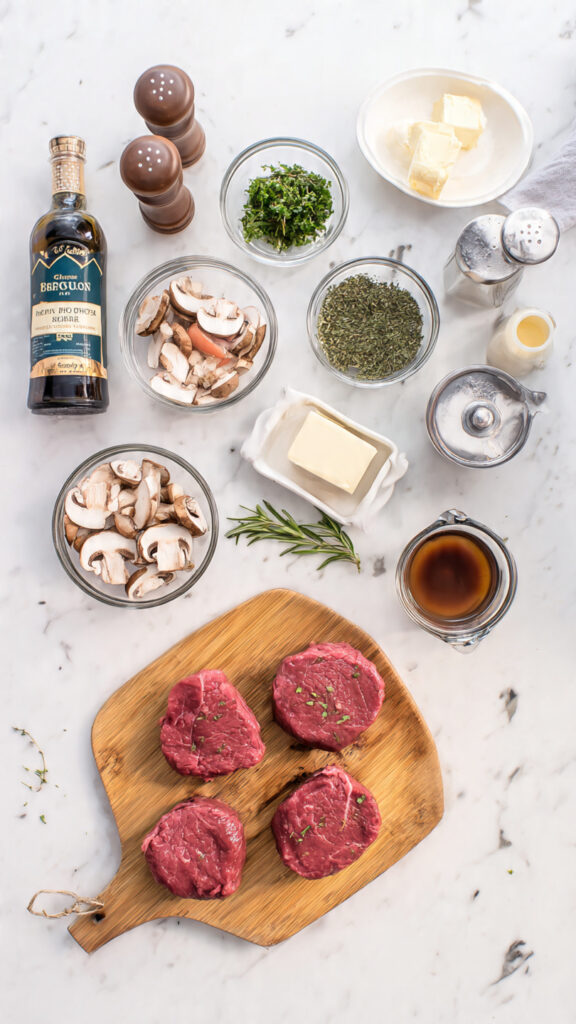
For the Beef:
- 4 beef tenderloin medallions (6 oz each, about 1-inch thick) – substitute with filet mignon or high-quality sirloin
- 2 tablespoons unsalted butter, divided
- 2 tablespoons olive oil
- Sea salt and freshly cracked black pepper to taste
For the Cognac Sauce:
- 3 tablespoons unsalted butter
- 2 shallots, finely minced (about ¼ cup)
- 8 oz cremini or button mushrooms, thinly sliced
- 3 cloves garlic, minced
- ⅓ cup cognac or brandy – substitute with dry sherry or additional beef stock
- 1 cup high-quality beef stock
- ¼ cup heavy cream
- 2 tablespoons Dijon mustard
- 1 tablespoon Worcestershire sauce
- 1 teaspoon fresh lemon juice
- 2 tablespoons fresh parsley, finely chopped
- 1 tablespoon fresh chives, chopped
- 1 teaspoon fresh thyme leaves
Each ingredient plays a crucial role in building the luxurious, multi-layered flavor profile that defines this classic French-American dish.
Timing
Preparation Time: 10 minutes Cooking Time: 20 minutes Total Time: 30 minutes Serves: 4 people
This streamlined timing represents approximately 40% less active cooking time compared to traditional restaurant preparations, making it perfect for impressive weeknight dinners or special occasions when you want maximum impact with minimal stress.
Step-by-Step Instructions
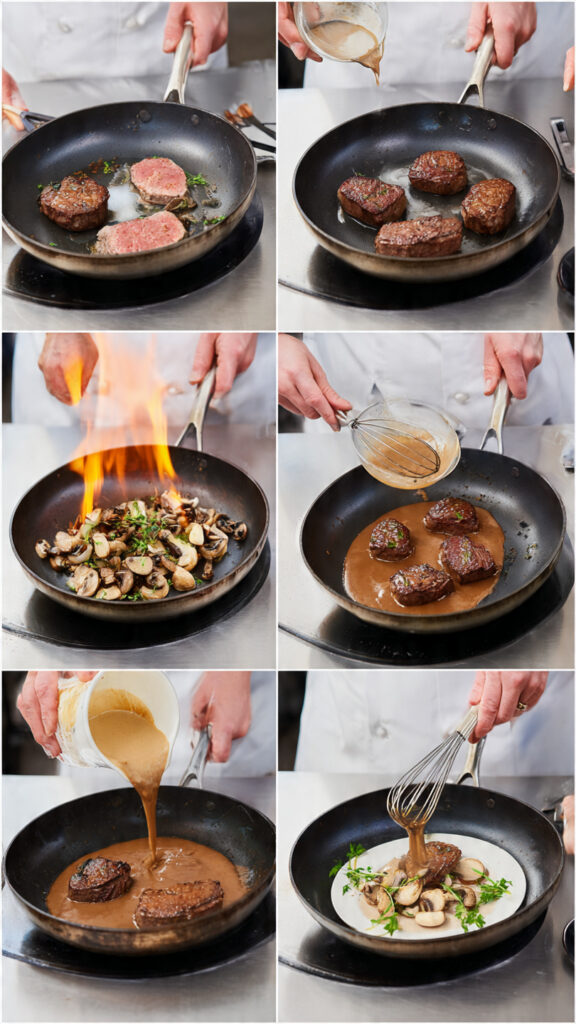
Step 1: Prepare the Beef Medallions
Remove the beef from the refrigerator 30 minutes before cooking to bring it to room temperature—this ensures even cooking throughout. Pat each medallion completely dry with paper towels, as surface moisture prevents proper searing. Season both sides generously with sea salt and freshly cracked black pepper, pressing the seasoning gently into the meat.
Pro Tip: Room temperature beef sears better and cooks more evenly, reducing the risk of a cold center or overcooked exterior.
Step 2: Sear the Beef to Perfection
Heat a large, heavy-bottomed skillet (cast iron works beautifully) over medium-high heat. Add 1 tablespoon of butter and the olive oil, swirling until the butter melts and begins to foam. Carefully place the medallions in the pan, ensuring they don’t touch—overcrowding reduces heat and causes steaming instead of searing. Cook for 3-4 minutes on the first side without moving them, allowing a gorgeous golden-brown crust to form. Flip once and cook for an additional 3-4 minutes for medium-rare (internal temperature of 130-135°F).
Pro Tip: Resist the urge to move or press the meat while it cooks. Patience yields that coveted restaurant-quality crust.
Step 3: Rest the Beef
Transfer the seared medallions to a warm plate and tent loosely with aluminum foil. This resting period allows the juices to redistribute throughout the meat, ensuring every bite is tender and juicy. The residual heat will continue cooking the beef slightly, bringing it to the perfect doneness.
Step 4: Build the Flavor Base
In the same skillet (don’t clean it—those browned bits are pure flavor gold), reduce heat to medium and add 2 tablespoons of butter. Once melted, add the minced shallots and sauté for 2 minutes until fragrant and translucent. Add the sliced mushrooms and cook for 5-6 minutes, stirring occasionally, until they release their moisture and develop a rich golden color. Stir in the minced garlic and fresh thyme, cooking for 30 seconds until aromatic.
Pro Tip: The fond (those caramelized bits stuck to the pan) contains concentrated umami flavor that will elevate your sauce exponentially.
Step 5: Flambé with Cognac
Remove the pan from heat temporarily. Pour in the cognac, then carefully return the pan to the flame. If using a gas stove, the alcohol may ignite naturally—otherwise, carefully tilt the pan toward the flame or use a long lighter to ignite the vapors. Allow the flames to burn off completely (about 15-20 seconds), which removes the harsh alcohol taste while concentrating the cognac’s complex, fruity notes.
Pro Tip: Always flambé away from your face and ensure there are no flammable materials nearby. If you’re uncomfortable with flaming, simply let the cognac simmer and reduce by half.
Step 6: Create the Velvety Sauce
Add the beef stock to the pan, scraping up all those flavorful browned bits with a wooden spoon. Bring to a simmer and let reduce by half (about 3-4 minutes), concentrating the flavors. Reduce heat to low, then whisk in the Dijon mustard, Worcestershire sauce, and heavy cream. Simmer gently for 2-3 minutes until the sauce thickens to a silky, coat-the-back-of-a-spoon consistency. Taste and adjust seasoning with salt, pepper, and a squeeze of fresh lemon juice to brighten the rich flavors.
Step 7: Finish and Serve
Add the remaining tablespoon of butter to the sauce, swirling until it melts and creates a glossy, luxurious finish. Return the beef medallions (along with any accumulated juices) to the pan, spooning the sauce over them and heating through for 1-2 minutes. Remove from heat and garnish generously with fresh parsley and chives. Serve immediately while the sauce is at its silky peak.
Nutritional Information
Per Serving (1 medallion with sauce):
- Calories: 520 kcal
- Protein: 42g (84% of daily value)
- Total Fat: 32g
- Saturated Fat: 16g
- Trans Fat: 0g
- Cholesterol: 165mg
- Carbohydrates: 6g
- Dietary Fiber: 1g
- Sugars: 2g
- Sodium: 480mg
- Potassium: 780mg
- Iron: 4.2mg (23% of daily value)
- Vitamin B12: 3.8mcg (158% of daily value)
Key Nutritional Highlights: This dish provides exceptional protein content and is rich in iron, zinc, and B-vitamins essential for energy metabolism. The cognac sauce, while indulgent, contains beneficial compounds from shallots, garlic, and mushrooms that support immune function and provide antioxidants.
Healthier Alternatives for the Recipe
Reduce Calories and Fat:
- Replace heavy cream with half-and-half or full-fat Greek yogurt (add off-heat to prevent curdling)
- Use only 2 tablespoons total butter instead of the full amount
- Opt for grass-fed beef, which contains higher omega-3 fatty acids
Lower Sodium Options:
- Use low-sodium beef stock and reduce Worcestershire sauce to 2 teaspoons
- Replace Dijon with whole-grain mustard for added fiber
Alcohol-Free Version:
- Substitute cognac with ⅓ cup additional beef stock mixed with 1 tablespoon balsamic vinegar for depth
Lighter Protein Alternatives:
- Swap beef for thick-cut pork tenderloin medallions or chicken breasts (adjust cooking time accordingly)
- Try portobello mushroom caps for a vegetarian version, using vegetable stock in the sauce
Increase Vegetables:
- Add 2 cups of baby spinach or kale to the sauce during the final minute of cooking
- Incorporate diced tomatoes for added lycopene and vitamin C
Serving Suggestions
Classic Pairings: Elegant Beef Diane in a Cognac Sauce shines when paired with creamy mashed potatoes or buttery pommes Anna, which soak up the luscious sauce beautifully. Alternatively, serve over a bed of fresh egg noodles or wild rice pilaf for a heartier presentation.
Vegetable Companions: Balance the richness with vibrant sides like roasted asparagus with lemon zest, garlic green beans amandine, or honey-glazed carrots. A crisp arugula salad with shaved Parmesan and a light vinaigrette provides refreshing contrast.
Wine Pairing: This cognac-based sauce pairs magnificently with full-bodied red wines like Cabernet Sauvignon, Merlot, or Côtes du Rhône. For white wine lovers, an oaked Chardonnay complements the creamy elements beautifully.
Elegant Presentation Tips:
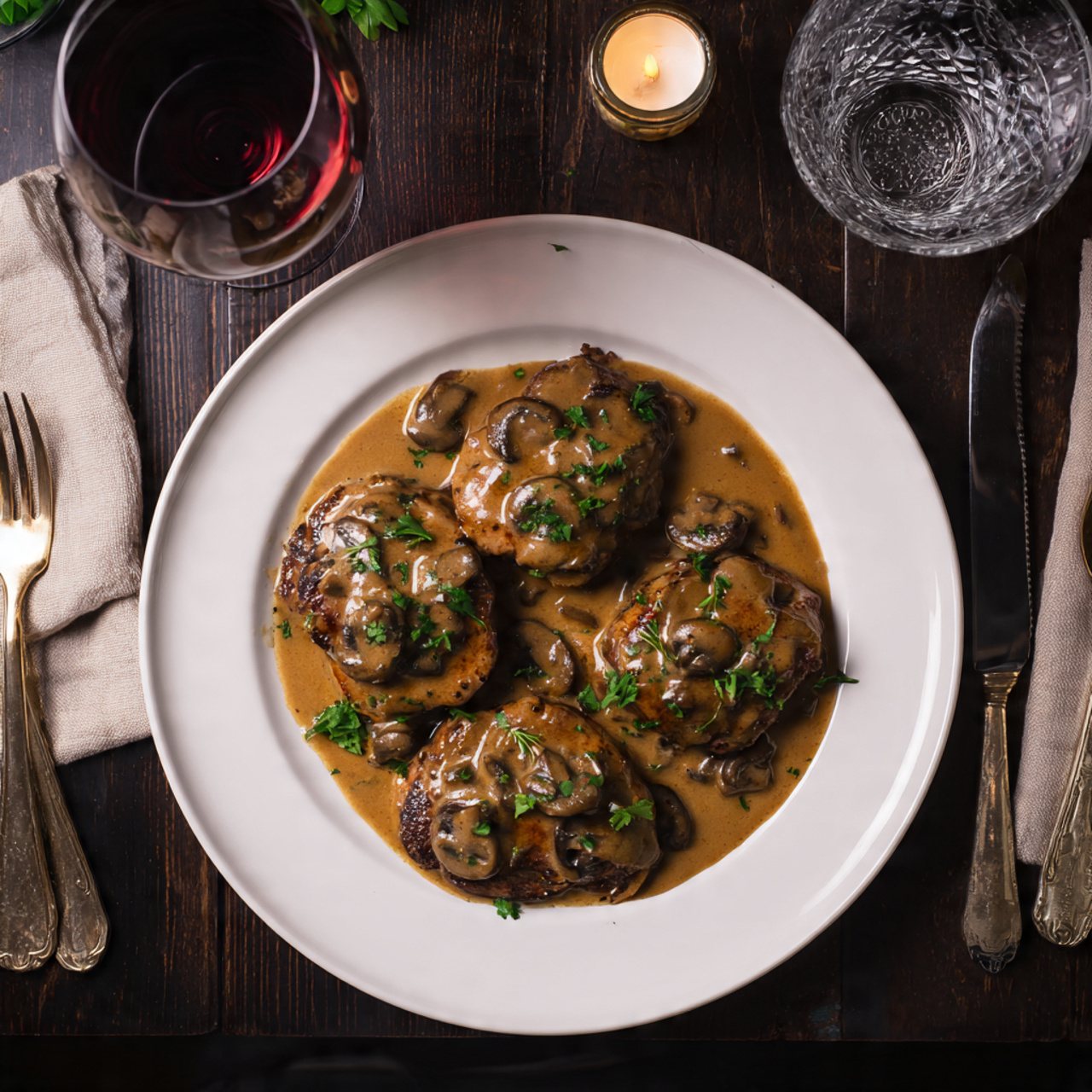
- Arrange the medallion on a warm plate with the sauce pooled beneath and drizzled artistically over the top
- Garnish with a sprig of fresh thyme or a sprinkle of microgreens
- Serve with a crusty baguette to capture every drop of that divine sauce
Make It a Complete Meal: Start with a French onion soup or Caesar salad, follow with your Beef Diane, and finish with a light dessert like lemon sorbet or crème brûlée for an impressive restaurant-quality dinner party at home.
Common Mistakes to Avoid
Overcooking the Beef: The most frequent error is cooking beef tenderloin past medium-rare, resulting in tough, dry meat. Use an instant-read thermometer and remove the beef at 130°F for perfect medium-rare doneness. Remember that carryover cooking will raise the internal temperature by 5-10°F during resting.
Crowding the Pan: Placing all medallions too close together creates steam instead of sear. Cook in batches if necessary, maintaining proper spacing for that essential caramelized crust that adds depth to both the beef and the sauce.
Skipping the Flambé: While it might seem purely theatrical, flambéing burns off harsh alcohol while concentrating the cognac’s complex flavor notes. Skipping this step leaves a raw alcohol taste in your sauce. If you’re nervous about flames, simply let the cognac simmer and reduce completely.
Not Deglazing Properly: Those browned bits stuck to your pan (the fond) contain concentrated flavor compounds. Failing to scrape them up when adding liquid means missing out on significant depth and complexity in your sauce.
Over-Reducing or Under-Reducing the Sauce: A sauce that’s too thin won’t coat the beef properly, while an over-reduced sauce becomes salty and gluey. The ideal consistency should coat the back of a spoon without being thick or gloppy.
Using Cold Beef: Placing refrigerator-cold beef in a hot pan creates uneven cooking—the exterior overcooks while the center remains cold. Always bring beef to room temperature first.
Adding Cream to a Boiling Sauce: High heat can cause cream to separate or curdle. Always reduce heat to low before incorporating cream, and stir gently to maintain that silky texture.
Storing Tips for the Recipe
Refrigeration: Store leftover Beef Diane in an airtight container in the refrigerator for up to 3 days. Keep the beef and sauce together to prevent the meat from drying out. The sauce acts as a protective barrier, maintaining moisture and flavor.
Reheating Instructions: Reheat gently in a covered skillet over low heat, adding a splash of beef stock or cream to loosen the sauce if needed. Avoid microwaving, which can toughen the beef and separate the sauce. Alternatively, warm the sealed container in a hot water bath for 10-15 minutes.
Freezing (Not Recommended for Sauce): While the beef can be frozen for up to 2 months, cream-based sauces typically separate and become grainy when frozen and thawed. If you must freeze, do so without the sauce, then prepare fresh sauce when ready to serve.
Make-Ahead Tips:
- Prepare the mushrooms and shallots up to 24 hours ahead, storing in the refrigerator
- Slice and measure all ingredients before cooking—this is a fast-paced recipe that benefits from mise en place
- The sauce can be made up to 2 hours ahead and gently reheated, though it’s best prepared fresh
Maintaining Quality: For optimal flavor and texture, consume within 24-48 hours. The sauce may thicken when chilled; simply thin with a tablespoon of stock or cream when reheating.
Conclusion
Elegant Beef Diane in a Cognac Sauce transforms premium ingredients into an unforgettable dining experience that rivals any steakhouse. With perfectly seared tenderloin, a velvety cognac-mushroom sauce, and aromatic fresh herbs, this 30-minute recipe proves that restaurant-quality elegance is achievable in your own kitchen. The combination of proper technique, quality ingredients, and attention to timing creates a dish worthy of any special occasion.
Ready to impress your dinner guests or treat yourself to something extraordinary? Try this recipe tonight and discover why Beef Diane has remained a beloved classic for over half a century. Share your culinary creation in the review section below, leave a comment about your experience, or subscribe to our blog for more restaurant-quality recipes delivered straight to your inbox. Happy cooking!
FAQs
Q: Can I use a different cut of beef instead of tenderloin? A: Absolutely! While tenderloin offers unmatched tenderness, you can substitute with ribeye medallions, top sirloin, or strip steak. Just adjust cooking time based on thickness—thicker cuts need slightly longer, while thinner cuts cook faster. The key is choosing a quality cut with good marbling for optimal flavor.
Q: What if I don’t have cognac? Are there good substitutes? A: Yes! Brandy is the closest substitute and works beautifully. Other alternatives include dry sherry, Madeira wine, or even a combination of beef stock with a tablespoon of balsamic vinegar for depth. While the flavor profile changes slightly, each option creates a delicious sauce. For completely alcohol-free, use additional beef stock with a splash of apple cider vinegar.
Q: How do I know when my beef is cooked to the right temperature? A: An instant-read meat thermometer is your best friend. For medium-rare (recommended), remove beef at 130-135°F. For medium, aim for 135-145°F. Remember that the temperature will rise 5-10°F during resting due to carryover cooking. Insert the thermometer into the thickest part of the medallion for an accurate reading.
Q: Can this recipe be doubled for a larger dinner party? A: Yes, but cook the beef in batches to avoid overcrowding your pan. Keep the first batch warm in a 200°F oven while cooking the second batch. The sauce can easily be doubled—use a larger skillet or wide sauté pan to ensure proper reduction. Consider making the sauce in a separate pan if cooking for 8+ people.
Q: My sauce turned out too thin. How can I fix it? A: Simply continue simmering the sauce over medium-low heat until it reduces to your desired consistency. Alternatively, mix 1 teaspoon of cornstarch with 1 tablespoon of cold water, then whisk this slurry into the simmering sauce. Cook for 1-2 minutes until thickened. You can also add an extra tablespoon of butter, which will help thicken and add gloss.
Q: Is it safe to flambé at home? A: Yes, when done properly with caution. Always remove the pan from heat before adding alcohol, keep a lid nearby to smother flames if needed, tie back long hair, and ensure there are no flammable materials nearby. Never pour alcohol directly from the bottle over an open flame. If you’re uncomfortable, simply let the alcohol simmer and reduce completely—it will still taste delicious.
Q: Can I make this dish dairy-free? A: Yes! Replace butter with olive oil or ghee (if you tolerate ghee), and substitute the heavy cream with full-fat coconut cream or cashew cream. The sauce will have a slightly different flavor profile but will still be rich and delicious. Nutritional yeast can add a savory depth that mimics the richness of dairy.
Q: What’s the best way to slice mushrooms for this recipe? A: Slice mushrooms about ⅛-inch thick—thin enough to cook quickly and absorb flavors, but thick enough to maintain some texture. Use a sharp knife and slice from cap to stem. Pre-sliced mushrooms from the store work fine in a pinch, though freshly sliced mushrooms have better texture and flavor.