How to Make a Healthy Lamb Dog Food Recipe in 5 Steps
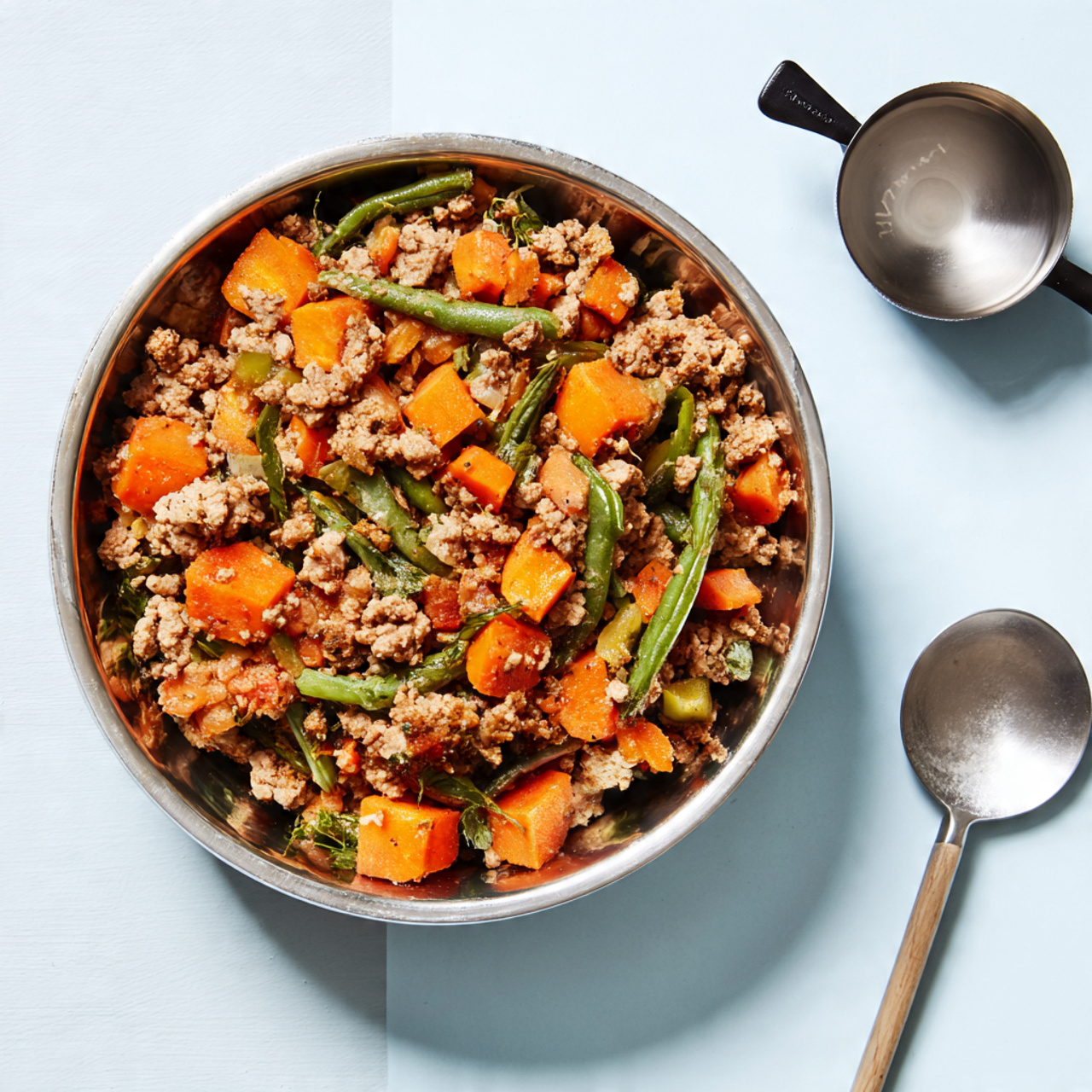
Did you know that nearly 1 in 3 dogs suffer from food sensitivities, with common proteins like chicken and beef often being the culprit? As a pet parent, watching your dog deal with itchy skin, digestive upset, or a dull coat can be heartbreaking and expensive. What if the solution was simpler, healthier, and more affordable than you think? This guide will show you exactly how to make a healthy lamb dog food recipe that’s not only gentle on sensitive stomachs but also packed with the nutrients your furry friend needs to thrive. Lamb is a fantastic novel protein for dogs with allergies, and this homemade dog food recipe gives you complete control over every ingredient. Let’s walk through five simple steps to create a wholesome lamb meal that will have your pup’s tail wagging with every bite.
Table of Contents
Ingredients List
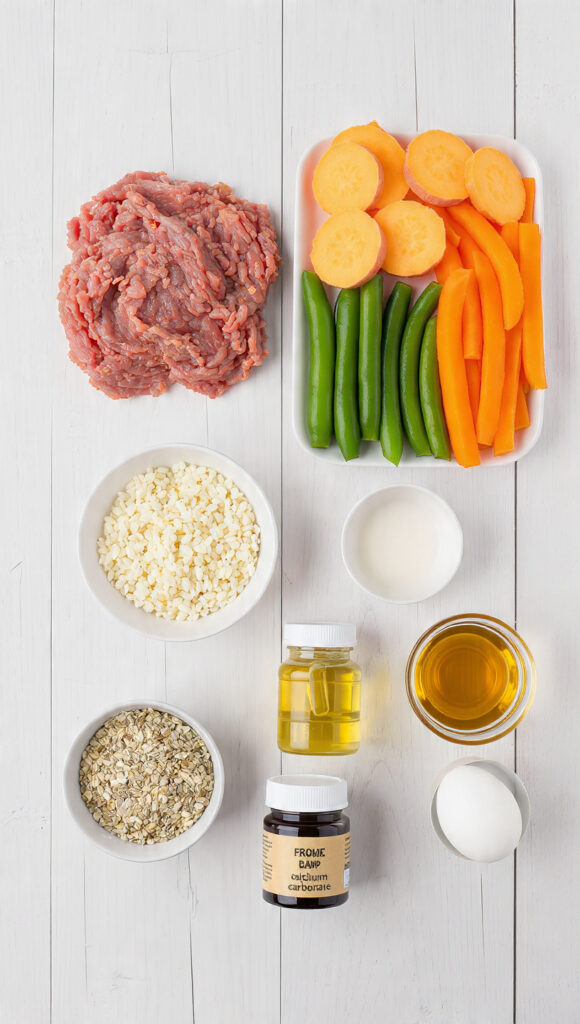
This recipe is formulated for balance, safety, and digestibility. Every ingredient serves a specific nutritional purpose.
- The Protein Base:
- 1.5 lbs ground lamb (preferably 85/15 lean/fat ratio) Lamb is rich in essential amino acids and zinc.
- The Fiber & Vitamin-Rich Vegetables:
- 1 cup sweet potato, peeled and finely chopped or grated
- 1 cup green beans, finely chopped
- ½ cup carrots, finely chopped or grated
- The Healthy Grains & Binders (Optional):
- ½ cup cooked brown rice or quinoa Provides digestible carbohydrates and fiber.
- 1 large egg (optional, for extra protein and a shiny coat)
- The Essential Supplements (CRUCIAL for Balance):
- 1 tbsp ground flaxseed or 1 tsp fish oil *For Omega-3 fatty acids (skin, coat, joints).*
- 1 tsp calcium carbonate (or 1.5 tsp ground eggshell) Vital for bone health.
- ½ tsp kelp powder A natural source of iodine and trace minerals.
Ingredient Swaps & Tips:
- Lamb: You can use lamb stew meat and grind it yourself or chop it very finely after cooking.
- Vegetables: Pumpkin, peas, and spinach are excellent alternatives. Always avoid onions, garlic, grapes, and raisins.
- Grain-Free: Omit the brown rice/quinoa and replace with an extra ½ cup of sweet potato or ¼ cup of oats.
- Supplements: Do not skip these. A canine multivitamin can be used, but consult your vet for the correct dosage based on this recipe’s yield.
Timing
Making your own dog food is a commitment, but this recipe is designed for efficiency and batch cooking.
- Prep Time: 15 minutes
- Cook Time: 25 minutes
- Cooling Time: 15 minutes
- Total Time: 55 minutes
Data Insight: While a weekly batch may take under an hour to prepare, it can replace commercial food that costs an average of $2.50 per day for a medium-sized dog. This homemade lamb diet can reduce that cost by up to 30% while significantly improving ingredient quality, making it a financially and nutritionally smart choice for the long-term health of your pet.
Step-by-Step Instructions
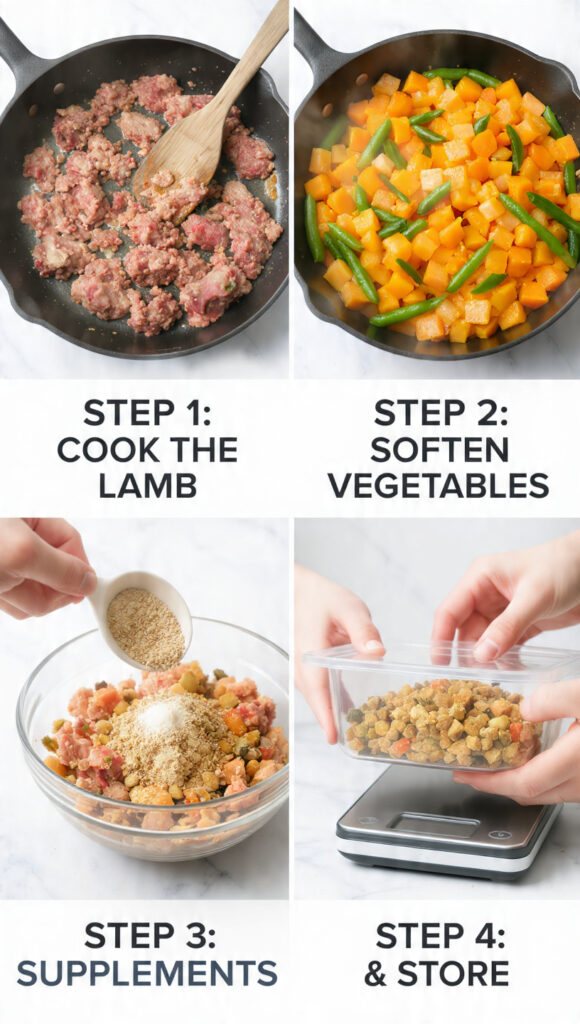
Follow these steps carefully to ensure the food is safe, nutritious, and appealing to your dog.
Step 1: Prepare and Cook the Protein
In a large skillet or pot, cook the ground lamb over medium heat. Break it up into small, bite-sized crumbles as it cooks. There’s no need to add oil. Cook until it is no longer pink, about 8-10 minutes. Once cooked, use a slotted spoon to transfer the lamb to a large mixing bowl, leaving the rendered lamb fat in the pan.
Step 2: Soften the Vegetables
In the same pan with the lamb fat, add the finely chopped sweet potato, green beans, and carrots. Sauté the vegetables in the fat for 8-10 minutes, until they are soft and easily pierced with a fork. This not only cooks them but also makes their nutrients more bioavailable for your dog. If the pan seems dry, add a tablespoon of water.
Step 3: Combine and Add Grains
Add the softened vegetables to the bowl with the cooked lamb. If you are including the cooked brown rice or quinoa, add it now. The grains act as a filler and provide energy. Mix everything thoroughly while it’s still warm, which helps the flavors and fats distribute evenly.
Step 4: Incorporate Essential Supplements
This is the most critical step for long-term health. Allow the mixture to cool slightly (so the heat doesn’t destroy the Omega-3s). Sprinkle in the ground flaxseed, calcium carbonate, and kelp powder. If using the optional egg, you can stir it in raw (the residual heat will cook it) or lightly scramble it separately and add. Mix thoroughly until all supplements are evenly distributed.
Step 5: Portion, Cool, and Serve
Let the mixture cool completely to room temperature. Divide it into airtight containers based on your dog’s daily serving size (see below). Store portions in the refrigerator for up to 4 days, or freeze for up to 3 months. Always thaw frozen portions in the refrigerator overnight before serving.
Nutritional Information
Approximate Analysis per Cup (240g) of prepared food:
- Calories: ~350 kcal
- Protein: 22g (High-quality, complete protein for muscle maintenance)
- Fat: 18g (Provides energy and supports vitamin absorption)
- Fiber: 3g (Aids in healthy digestion)
- Calcium: ~1g (Properly balanced with phosphorus from meat for bone health)
- Omega-3 Fatty Acids: From flaxseed/fish oil (Reduces inflammation, promotes brain health)
Important Note: This is a balanced maintenance recipe. The exact serving size is critical and depends on your dog’s weight, age, and activity level. A general starting point is 1/2 cup per 10 lbs of body weight per day, split into two meals. Always consult your veterinarian to determine the perfect calorie intake and to discuss this recipe before making a dietary switch.
Healthier Alternatives for the Recipe
You can adapt this sensitive stomach dog food to meet your dog’s specific needs.
- taFor Weight Management: Use 93% lean ground lamb and increase the green vegetable ratio while slightly decreasing the sweet potato.
- For Pancreatitis or High-Fat Sensitivities: Use the leanest lamb possible, drain all fat after cooking, and rinse the meat with warm water. Use white rice instead of brown for easier digestion.
- For Picky Eaters: Add a spoonful of low-sodium chicken broth or a sprinkle of nutritional yeast (fortified, dog-safe) after cooling to enhance aroma.
- For Puppies: Puppies require more calcium and specific fat ratios. Do not feed this adult maintenance recipe to puppies without explicit formulation guidance from a veterinary nutritionist.
Serving Suggestions
Transition and serving are just as important as the recipe itself.
- The Safe Transition: Always transition from old food to new over 7-10 days. Start with 25% new food mixed with 75% old, gradually increasing the ratio.
- Meal Enhancement: For an extra health boost, stir in a spoonful of plain, unsweetened pumpkin puree (for fiber) or plain kefir (for probiotics) just before serving.
- As a Topper: If your dog is hesitant or you want to stretch your batch, use this homemade lamb meal as a high-value topper mixed with their regular kibble.
- Treat Transformation: Roll small spoonfuls of the mixture into balls and dehydrate them at a low temperature (155°F) for 6-8 hours to create healthy, homemade training treats.
Common Mistakes to Avoid
Steer clear of these dangerous and common errors in homemade pet food preparation.
- Skipping Essential Supplements: Meat alone is not complete. Missing calcium leads to severe bone disease. Missing Omega-3s and trace minerals affects long-term organ health.
- Using Human Seasonings: Never add salt, onion powder, garlic, or other spices. They are toxic or unhealthy for dogs.
- Not Calculating Proper Portions: Eyeballing portions leads to obesity or malnutrition. Use a kitchen scale and calculate calories with your vet.
- Serving While Too Hot: This can burn your dog’s mouth and cause digestive upset. Always cool to room temperature.
- Making an Abrupt Switch: Switching food suddenly causes diarrhea and stomach pain. The gradual transition is non-negotiable.
Storing Tips for the Recipe
- Refrigeration: Store in airtight containers in the refrigerator for up to 4 days.
- Freezing: Portion into weekly or daily servings and freeze for up to 3 months. Use freezer-safe bags or containers. Label with the date.
- Thawing: Always thaw in the refrigerator, never on the counter, to prevent bacterial growth.
- Batch Cooking: Double or triple the recipe for efficiency. Cook and freeze in portions to always have a healthy supply on hand.
Conclusion
This healthy lamb dog food recipe provides a nutritious, hypoallergenic meal for your dog in five simple steps. By combining quality lamb, wholesome vegetables, and essential supplements, you can support your dog’s health, vitality, and happiness. Remember, consultation with your vet is the final, crucial step to ensure this diet is perfect for your unique pup.
Ready to see your dog thrive on real food? Consult your veterinarian, then try this recipe. Share your dog’s happy reaction in the comments below and subscribe for more recipes and tips on natural pet care!
FAQs
Can I use this lamb dog food recipe as my dog’s sole diet?
Yes, when prepared exactly as written—including all supplements—and fed in the correct portion for your dog’s needs, this can be a complete and balanced maintenance diet for adult dogs. It is not formulated for puppies, pregnant/nursing dogs, or dogs with specific medical conditions without veterinary modification.
How much of this recipe should I feed my dog?
Serving size is weight and activity-dependent. A safe starting point is 1/2 cup per 10 lbs of body weight daily, split into two meals. For example, a 40 lb dog would get ~2 cups per day. You must confirm this with your vet, who can calculate the exact calories needed.
My dog has kidney disease. Is this recipe safe?
No. This recipe contains appropriate phosphorus levels for healthy dogs but is not designed for renal support. Dogs with kidney disease require a specially formulated, low-phosphorus, low-protein diet. Always follow your veterinarian’s prescribed nutritional plan for medical conditions.
Where do I find the supplements?
Calcium carbonate is available in powder form online or in health food stores. Ground eggshell is a perfect homemade alternative (bake clean shells at 200°F for 10 mins, then grind to a powder). Kelp powder and ground flaxseed are also readily available online or in well-stocked grocery stores.
Can I substitute the lamb with another protein?
Absolutely. This template works for other novel proteins like duck, rabbit, or venison. The key is to maintain the same ratios: roughly 50% protein, 25% vegetables, 25% grains/binders, plus the essential supplements adjusted for the meat’s natural calcium content.