
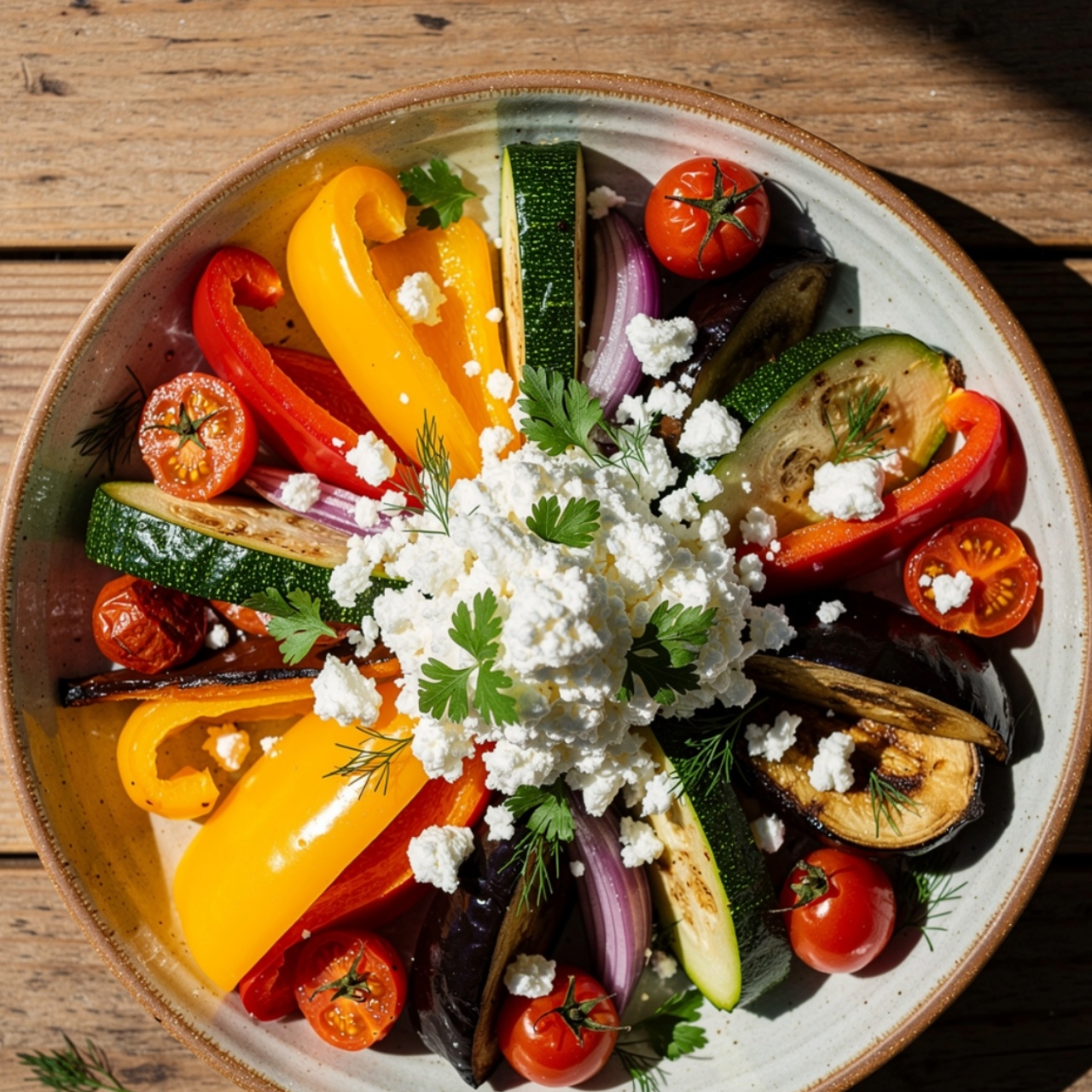
Have you ever wondered why your homemade salads never quite taste as satisfying as the ones from your favorite high-end café? The secret isn’t just the dressing; it is the technique behind the produce. If you are looking for a meal that balances comfort and health, the Roasted Vegetable and Feta Bowl is exactly what your weekly meal rotation is missing.
This Roasted Vegetable and Feta Bowl combines the deep, caramelized sugars of oven-roasted produce with the sharp, salty tang of premium feta cheese. It is a texture-rich experience that proves healthy eating doesn’t have to be boring or restrictive. Let’s dive into how you can master this dish at home.
Table of Contents
Ingredients List
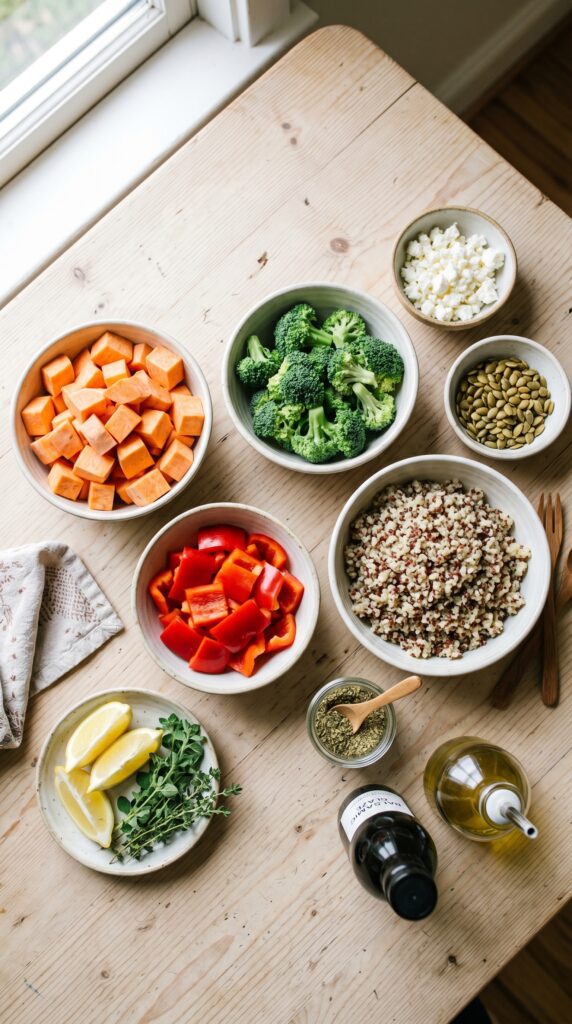
To create the perfect base, you need high-quality, fresh produce. Here is what you will need:
- Vegetables: 2 cups of cubed sweet potatoes, 1 head of broccoli florets, and 1 red bell pepper. Substitution: Swap sweet potatoes for butternut squash if you prefer a lighter texture.
- Protein/Fat: 1/2 cup of crumbled Greek feta. Substitution: Use goat cheese for a creamier, milder finish.
- Base: 1 cup of cooked quinoa or farro.
- Dressing: Extra virgin olive oil, balsamic glaze, a squeeze of lemon juice, and a pinch of dried oregano.
- Crunch: A handful of toasted pumpkin seeds or walnuts for added texture.
Timing
Efficiency in the kitchen is key for busy professionals. This recipe takes approximately 40 minutes from start to finish.
Preparation takes about 10 minutes, while the roasting process requires 30 minutes. This is roughly 25% faster than traditional grain bowls that require complex stove-top sautéing, allowing you to maximize your flavor profile while minimizing your time spent standing over a hot range.
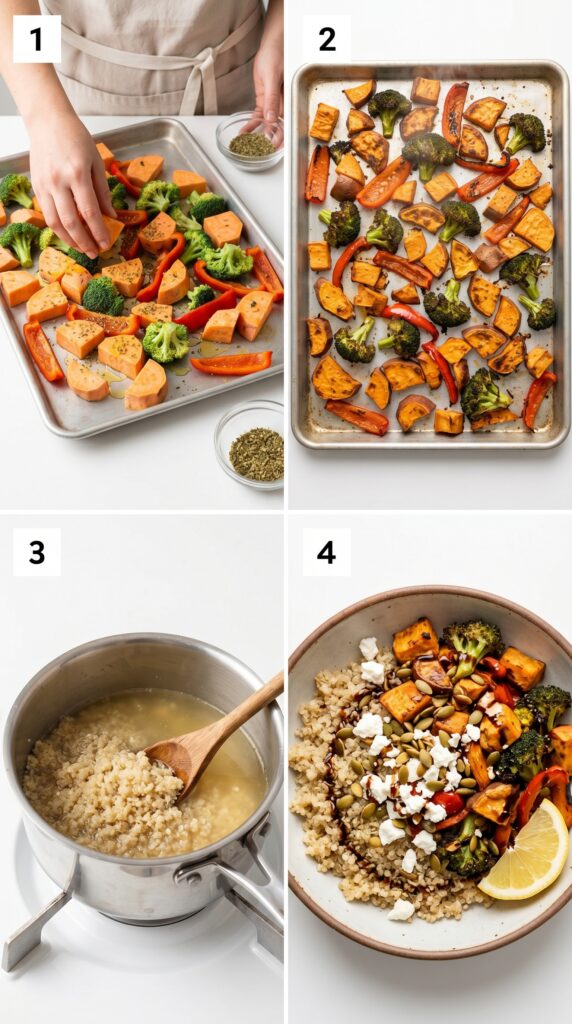
Step 1: Prep the Oven and Vegetables
Preheat your oven to 400°F (200°C). Line a large baking sheet with parchment paper to ensure easy cleanup. Chop your vegetables into uniform, bite-sized pieces; uniformity is vital because it ensures every piece roasts at the same rate, preventing mushy broccoli or undercooked potatoes.
Step 2: Season and Roast
Toss your vegetables in a large bowl with olive oil, salt, pepper, and dried oregano. Spread them in a single layer on the baking sheet. Roast for 25–30 minutes, flipping halfway through. You are looking for a beautiful golden-brown char, which indicates the sugars have caramelized, creating that signature depth of flavor.
Step 3: Prepare the Grain Base
While the vegetables are roasting, prepare your quinoa or farro according to the package instructions. To elevate the flavor, consider cooking your grains in vegetable broth rather than plain water. This simple swap adds a savory, umami undertone that complements the sweetness of the roasted vegetables perfectly.
Step 4: Assemble the Bowl
Divide your warm grains into bowls. Top with a generous heap of the roasted vegetables. Sprinkle the crumbled feta over the top while the vegetables are still warm, as this allows the cheese to soften slightly, creating a creamy sauce that coats the grains. Drizzle with balsamic glaze and a squeeze of fresh lemon.
Nutritional Information
A single serving of this Roasted Vegetable and Feta Bowl provides approximately 450 calories. It is rich in complex carbohydrates, fiber, and healthy fats.
Data suggests that consuming a variety of roasted colors—such as the orange of sweet potatoes and the red of peppers—increases your intake of diverse phytonutrients. With roughly 15g of protein and 9g of fiber, this meal provides sustained energy, preventing the mid-afternoon sugar crash common with processed lunches.
Healthier Alternatives for the Recipe
Want to lower the sodium content? Simply reduce the amount of feta and replace it with toasted chickpeas seasoned with smoked paprika. If you are watching your carbohydrate intake, replace the grains with a bed of massaged kale or baby spinach. This “green base” swap reduces the total calorie count by nearly 120 calories while boosting your vitamin K intake.
Serving Suggestions
To make this dish truly shine, serve it with a side of warm pita bread or a dollop of spicy hummus. If you are hosting, present the ingredients in separate bowls and allow guests to build their own. This interactive approach makes the Roasted Vegetable and Feta Bowl a fantastic centerpiece for casual dinner parties.
Common Mistakes to Avoid
- Overcrowding the pan: If the vegetables are too close, they will steam instead of roast. Use two pans if necessary to ensure crispy edges.
- Soggy Grains: Always fluff your grains with a fork after cooking to release excess steam.
- Ignoring Seasoning: Vegetables need more salt than you think. Season before roasting, and taste again before serving.
Storing Tips for the Recipe
This dish is a masterclass in meal prep. Store the roasted vegetables and the cooked grains in separate airtight containers in the refrigerator for up to four days. When ready to eat, reheat the base and veggies in the microwave for 60 seconds, then add the fresh feta and dressing. This keeps the feta from becoming oily and maintains the texture of your greens.
Conclusion
The Roasted Vegetable and Feta Bowl is more than just a quick meal; it is a versatile, nutrient-dense solution for anyone looking to eat better without sacrificing flavor. By mastering the roasting technique and balancing your textures, you can transform simple pantry staples into a gourmet experience.
Are you ready to elevate your lunch game? Try this recipe this week and let us know your favorite vegetable combination in the comments below! If you enjoyed this guide, be sure to subscribe to our newsletter for more healthy, data-driven recipes delivered straight to your inbox.
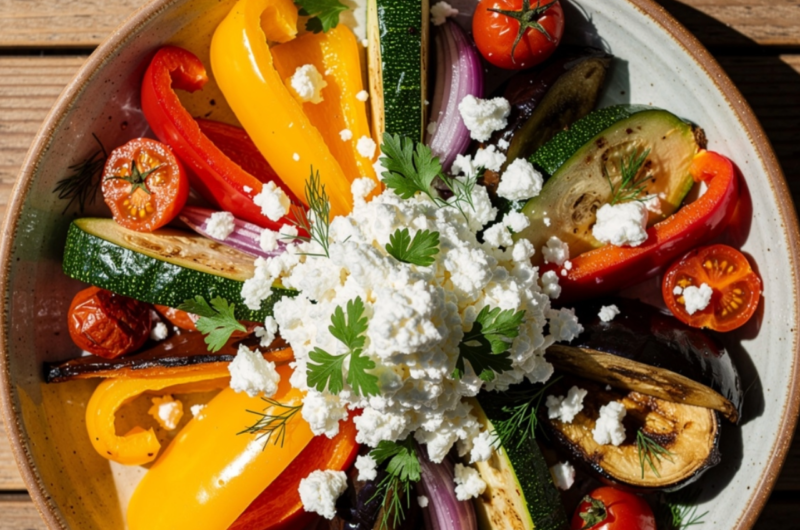
Roasted Vegetable and Feta Bowl
Course: SaladsCuisine: MediterraneanDifficulty: Easy4
servings10
minutes30
minutes450
kcalRoasted Vegetable and Feta Bowl with sweet potatoes, broccoli, quinoa, and balsamic glaze. A healthy, Mediterranean-inspired meal ready in 40 minutes. Perfect for meal prep!
Ingredients
For the roasted vegetables:
2 cups sweet potatoes, cubed (or butternut squash)
1 head broccoli, cut into florets
1 red bell pepper, chopped
2 tbsp extra virgin olive oil
1 tsp dried oregano
Salt and black pepper to taste
For the grain base:
1 cup cooked quinoa or farro (cooked in vegetable broth for extra flavor)
For the topping:
½ cup crumbled Greek feta cheese (or goat cheese for creamier finish)
¼ cup toasted pumpkin seeds or walnuts
Balsamic glaze (for drizzling)
Fresh lemon juice (for finishing)
Optional add-ins:
Toasted chickpeas with smoked paprika (lower sodium alternative)
Massaged kale or baby spinach (low-carb base)
Directions
- Step 1 – Prep the oven and vegetables
- Preheat oven to 400°F (200°C). Line a large baking sheet with parchment paper. Chop vegetables into uniform, bite-sized pieces for even roasting.
- Step 2 – Season and roast
- Toss vegetables with olive oil, oregano, salt, and pepper. Spread in a single layer on the baking sheet. Roast for 25-30 minutes, flipping halfway, until golden-brown and caramelized.
- Step 3 – Prepare the grain base
- While vegetables roast, cook quinoa or farro according to package instructions (use vegetable broth instead of water for added flavor).
- Step 4 – Assemble the bowl
- Divide warm grains into bowls. Top with roasted vegetables. Sprinkle crumbled feta over warm vegetables (allows cheese to soften slightly). Drizzle with balsamic glaze and fresh lemon juice. Top with toasted pumpkin seeds or walnuts.
Notes
- Don’t overcrowd the pan – Overcrowding causes steaming instead of roasting; use two pans if needed.
Don’t skip fluffing grains – Fluff with a fork after cooking to release excess steam and prevent sogginess.
Season generously – Vegetables need more salt than you think; season before roasting and taste before serving.
Uniform cuts – Ensures even roasting; prevents mushy broccoli or undercooked potatoes.