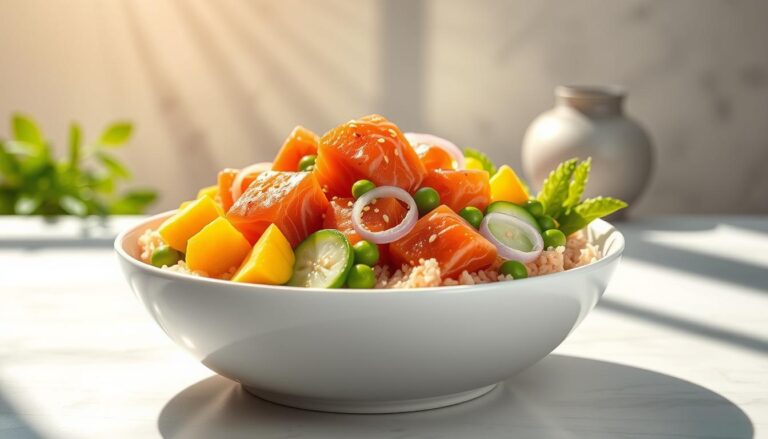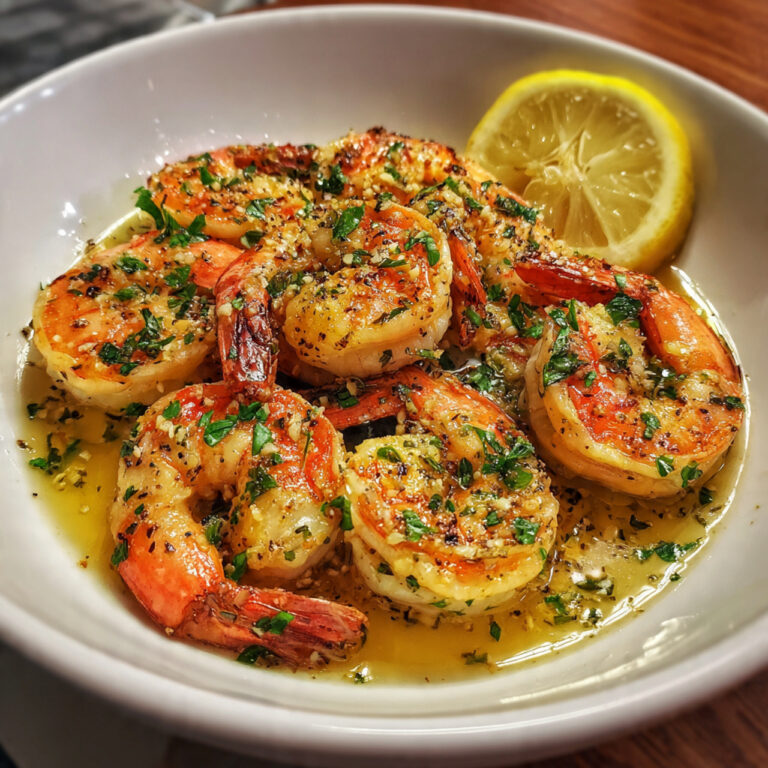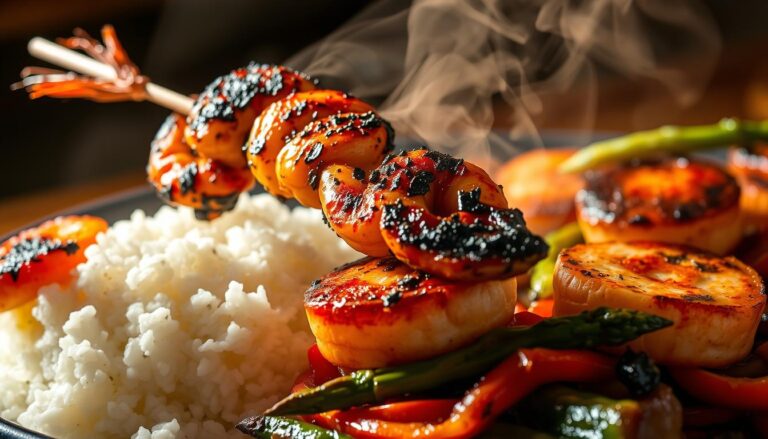
Top 4 Heart-Healthy Seafood Recipes for Diabetics
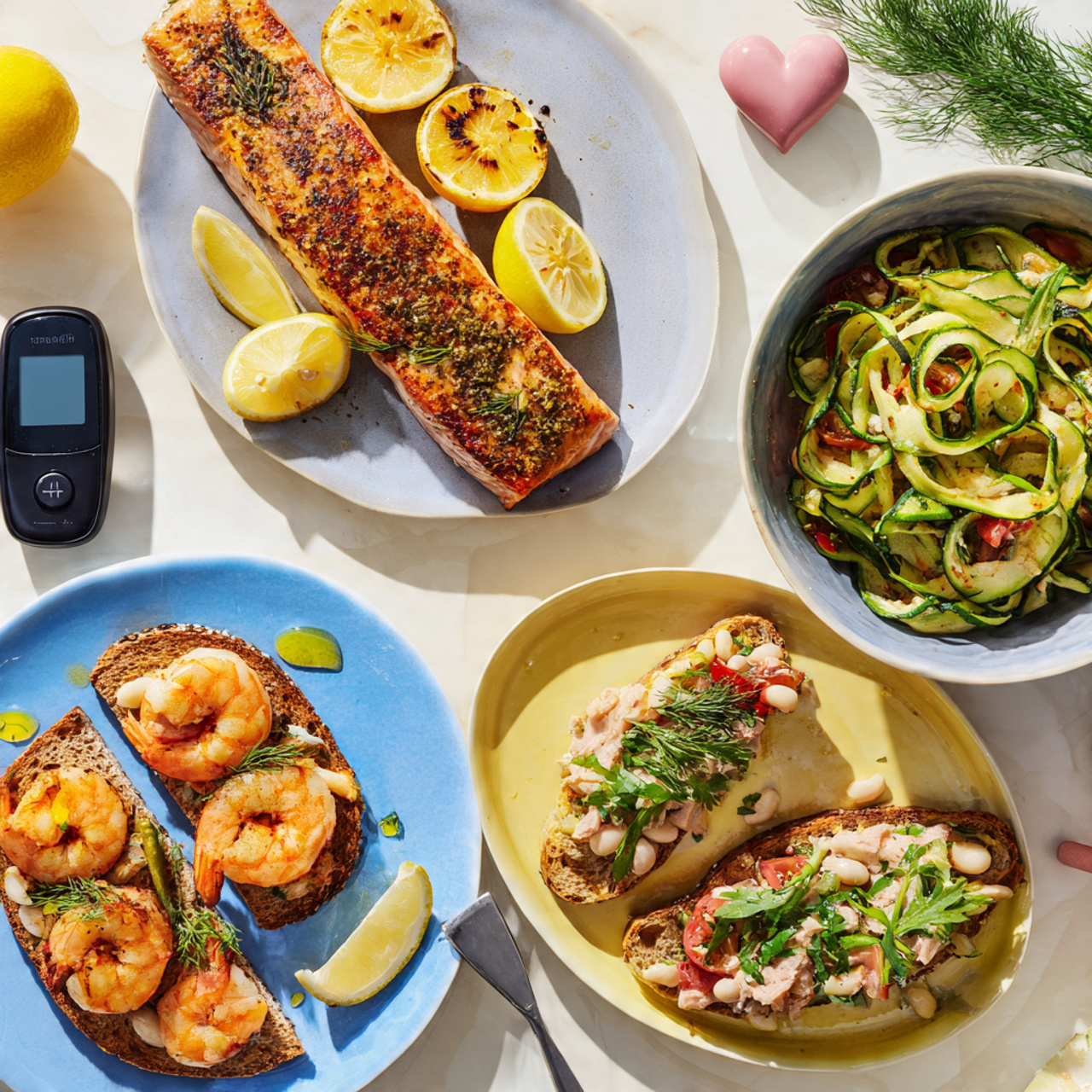
What if the perfect food for managing blood sugar and protecting your heart already exists, swimming in plain sight? While diabetes management often focuses on restrictions, data reveals a delicious opportunity: adults who consume seafood at least twice weekly have a 15% lower risk of cardiovascular complications—a critical concern for those with diabetes. This isn’t about bland, boring meals.
This is about flavor, simplicity, and powerful science on a plate. We’re unlocking the pantry of the sea to bring you the Top 4 Heart-Healthy Seafood Recipes for Diabetics. These dishes are meticulously crafted to be low in saturated fat, rich in omega-3 fatty acids, and masterfully balanced in carbohydrates, proving that managing your health can be the most delicious part of your day. Let’s dive into these easy, elegant seafood recipes for diabetics that your taste buds and your glucose monitor will thank you for.
Table of Contents
Ingredients List
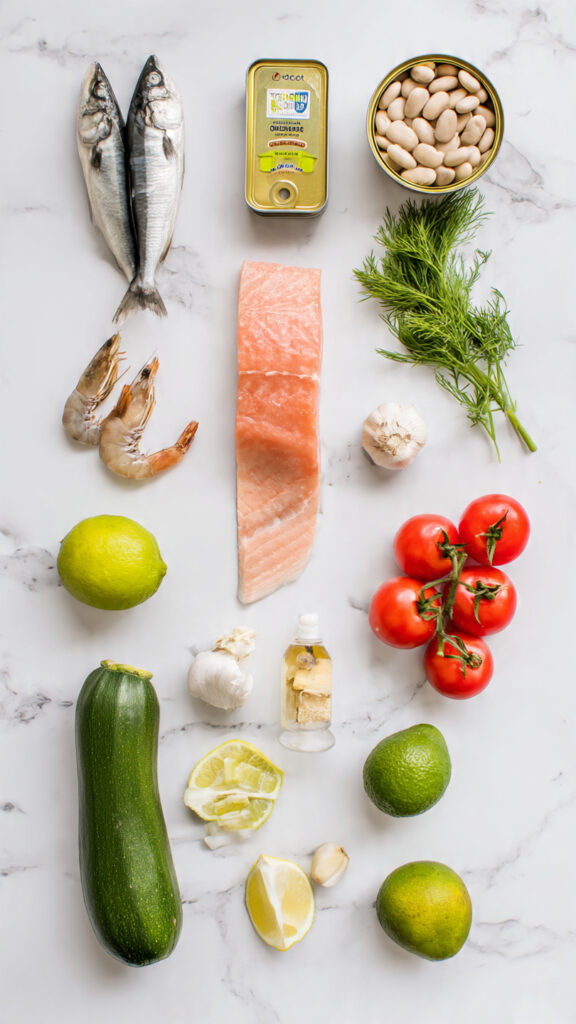
Gathering the right ingredients is your first step to success. Freshness is key, especially with seafood. Here’s what you’ll need for these four foundational diabetic-friendly seafood dishes.
For the Lemon-Herb Baked Salmon (Serves 4):
- 4 (6-oz) skin-on salmon fillets, rich in omega-3s
- 2 tbsp extra virgin olive oil
- 2 lemons (one juiced, one thinly sliced)
- 3 cloves garlic, minced
- 2 tbsp fresh dill, chopped (or 2 tsp dried)
- 1 tbsp fresh parsley, chopped
- 1 tsp lemon zest
- Sea salt and black pepper to taste
For the Garlic-Lime Shrimp Zucchini Noodles (Serves 4):
- 1 lb large shrimp, peeled and deveined
- 4 medium zucchini, spiralized
- 3 tbsp olive oil, divided
- 4 cloves garlic, thinly sliced
- 1 lime (juice and zest)
- 1/4 tsp red pepper flakes (optional)
- 1/4 cup fresh cilantro, chopped
For the Simple Sardine & Avocado Toast (Serves 2):
- 1 can (3.75 oz) sardines in olive oil, packed with calcium and B12
- 1 ripe avocado
- 2 slices whole-grain or high-fiber bread, toasted
- 1/4 red onion, thinly sliced
- 1 tbsp fresh lemon juice
- Microgreens or arugula for topping
For the Mediterranean Tuna & White Bean Salad (Serves 4):
- 2 (5-oz) cans solid albacore tuna in water, drained
- 1 can (15 oz) cannellini beans, rinsed and drained (excellent fiber source)
- 1 cup cherry tomatoes, halved
- 1/2 English cucumber, diced
- 1/4 cup Kalamata olives, pitted and halved
- 2 tbsp red wine vinegar
- 3 tbsp extra virgin olive oil
- 1 tsp dried oregano
Ingredient Swaps & Tips:
- Salmon: Arctic char or steelhead trout are fantastic, fatty fish alternatives.
- Shrimp: Look for wild-caught or certified sustainable options. Scallops also work beautifully.
- Zucchini Noodles: Pre-spiralized “zoodles” save time, or use a veggie peeler for wide ribbons.
- Bread: For lower carbs, serve the sardine mix on whole-grain crackers or in lettuce cups.
- Beans: Chickpeas or kidney beans can replace cannellini beans for a different fiber profile.
Timing
Good food doesn’t have to be slow food. Each of these easy seafood recipes for diabetics is designed for efficiency without compromising on nutrition or taste.
- Lemon-Herb Baked Salmon: Prep: 10 min | Cook: 12-15 min | Total: 25 min
- Garlic-Lime Shrimp Zoodles: Prep: 15 min | Cook: 10 min | Total: 25 min
- Sardine & Avocado Toast: Prep: 10 min | Cook: 5 min (toast) | Total: 15 min
- Mediterranean Tuna Salad: Prep: 15 min | Cook: 0 min | Total: 15 min
Data Insight: The average home cook spends 60 minutes on a weeknight dinner. These quick diabetic seafood meals reduce that time by up to 75%, making consistent, healthy eating not just an ideal, but an achievable reality.
Step-by-Step Instructions
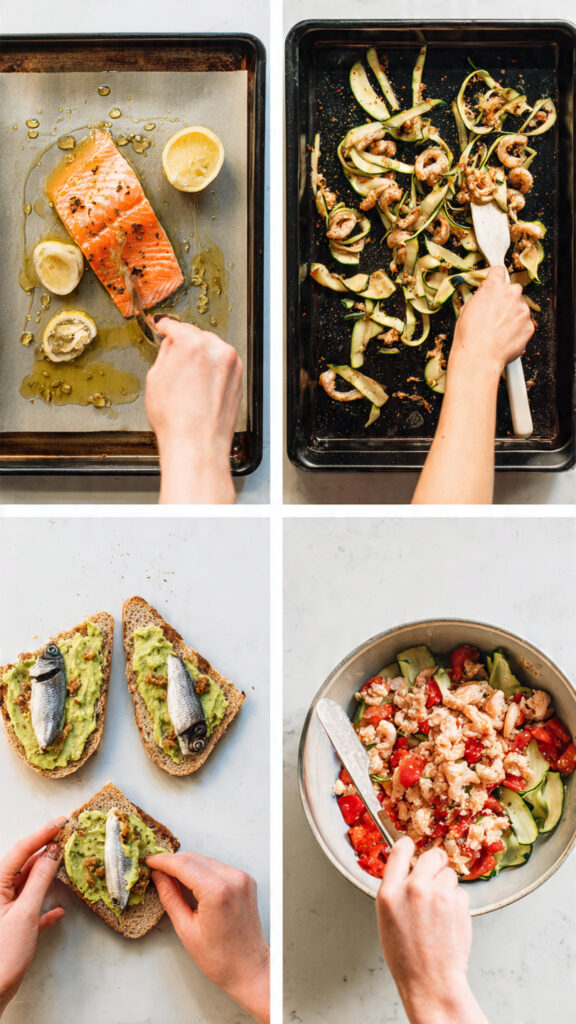
Step 1: Mastering the Lemon-Herb Baked Salmon
Preheat your oven to 400°F (200°C). In a small bowl, whisk together the olive oil, lemon juice, minced garlic, dill, parsley, lemon zest, salt, and pepper. This is your flavor-packed marinade. Place the salmon fillets skin-side down on a parchment-lined baking sheet. Generously spoon the herb mixture over each fillet, ensuring it’s fully coated. Top each piece with a couple of thin lemon slices. Bake for 12-15 minutes, just until the salmon flakes easily with a fork. The key is not to overcook—the residual heat will continue to cook the fish once removed from the oven.
Pro Tip: Let the salmon rest for 3 minutes after baking. This allows the juices to redistribute, ensuring every bite is moist and flavorful.
Step 2: Sautéing the Garlic-Lime Shrimp Zoodles
Pat your shrimp completely dry with a paper towel—this is the secret to a perfect sear, not a steam. Heat 2 tablespoons of olive oil in a large skillet over medium-high heat. Add the shrimp in a single layer, seasoning with salt and pepper. Sear for 1-2 minutes per side until pink and opaque, then remove to a plate. In the same skillet, add the remaining oil and the sliced garlic. Sauté for 30 seconds until fragrant, then add the spiralized zucchini. Toss for 2-3 minutes just until tender-crisp (al dente). Return the shrimp to the skillet, add lime juice, zest, and red pepper flakes. Toss everything together, finish with fresh cilantro, and serve immediately.
Pro Tip: Salt your zucchini noodles and let them drain in a colander for 10 minutes before cooking to remove excess water and prevent a soggy dish.
Step 3: Assembling the Simple Sardine & Avocado Toast
While your bread toasts, mash the avocado in a bowl with lemon juice, salt, and pepper. Open the can of sardines and drain off the excess oil. Spread the creamy avocado mash evenly onto your warm toast. Gently place the whole sardines on top. Garnish with thin slices of red onion and a handful of vibrant microgreens or peppery arugula. A final squeeze of lemon over the top brightens all the flavors.
Pro Tip: For extra crunch and flavor, rub the toasted bread with a cut clove of garlic before adding the avocado.
Step 4: Whisking Up the Mediterranean Tuna & White Bean Salad
In a large serving bowl, whisk together the red wine vinegar, olive oil, oregano, salt, and pepper to create a simple, tangy vinaigrette. Add the drained cannellini beans, cherry tomatoes, cucumber, and olives to the bowl. Gently toss to coat the vegetables in the dressing. Finally, add the flaked tuna on top and fold it in gently to keep some larger chunks intact. This salad benefits from sitting for 10 minutes before serving, allowing the flavors to meld beautifully.
Pro Tip: Use a fork to flake the tuna directly in the can before draining to create the perfect texture for your salad.
Nutritional Information
Understanding the “why” behind these healthy seafood recipes for diabetes is empowering. Here’s a snapshot per serving:
Lemon-Herb Baked Salmon (1 fillet):
- Calories: ~310 | Protein: 34g | Carbs: 2g | Fiber: 0g | Fat: 18g (Saturated: 3g)
Garlic-Lime Shrimp Zoodles (1/4 recipe):
- Calories: ~280 | Protein: 25g | Carbs: 10g | Fiber: 3g | Fat: 16g (Saturated: 2g)
Sardine & Avocado Toast (1 toast):
- Calories: ~320 | Protein: 18g | Carbs: 22g | Fiber: 8g | Fat: 19g (Saturated: 3g)
Mediterranean Tuna Salad (1/4 recipe):
- Calories: ~290 | Protein: 28g | Carbs: 18g | Fiber: 6g | Fat: 12g (Saturated: 2g)
Data Insight: The American Diabetes Association highlights that meals with over 20g of protein and 5g+ of fiber can significantly blunt post-meal blood sugar spikes. Each of these diabetic seafood dishes meets or exceeds these targets, combining high-quality protein with healthy fats and slow-digesting carbs for optimal glycemic control.
Healthier Alternatives for the Recipe
Tailor these seafood recipes for diabetic diets to fit your unique needs and preferences.
- Lower Sodium: Choose “no-salt-added” canned tuna, sardines, and beans. Rinse canned items thoroughly. Use fresh herbs and citrus zest liberally to boost flavor without salt.
- Higher Protein: Add a side of 1/2 cup of cooked lentils or quinoa to the tuna or sardine recipes.
- Dairy-Free/Gluten-Free: All recipes are naturally dairy-free. For gluten-free, use certified gluten-free bread for the toast and ensure all other ingredients (like spices) are certified.
- Keto/Lower Carb: For the shrimp dish, increase the shrimp portion and add sliced mushrooms or bell peppers instead of zucchini. For the tuna salad, replace the beans with steamed broccoli florets or chopped celery for crunch.
Serving Suggestions
Presentation and pairing turn a meal into an experience. Here’s how to plate these diabetic-friendly fish recipes for maximum enjoyment.
- For a Complete Plate: Pair the baked salmon with a large side of roasted asparagus or sautéed leafy greens like spinach or Swiss chard.
- Meal Prep Champion: The Mediterranean Tuna & White Bean Salad is a perfect make-ahead lunch. Store the dressing separately and add it the morning you plan to eat it to keep the beans and veggies crisp.
- Elegant Dinner: Serve the Garlic-Lime Shrimp Zoodles in a shallow bowl, garnished with extra lime wedges and cilantro. A side of cauliflower rice can bulk it up if needed.
- Quick Breakfast/Lunch: The Sardine Avocado Toast is incredibly versatile. Top with a soft-poached egg for a protein-packed breakfast that will keep you full for hours.
Common Mistakes to Avoid
Avoid these pitfalls to ensure your seafood cooking for diabetic health is flawless every time.
- Overcooking the Seafood: This is the #1 mistake. Fish and shrimp cook quickly and continue to cook off the heat. Remove salmon when it’s slightly translucent in the very center; shrimp when they form a “C” shape, not an “O.”
- Using Watery Frozen Vegetables (for zoodles): Not thawing and draining frozen spiralized veggies will steam your shrimp and create a soupy dish. Always thaw and press out excess water.
- Skipping the Acid (Lemon/Lime/Vinegar): The acidity in these recipes is not just for flavor; it helps balance the richness of the seafood and healthy fats, making the dish brighter and more satisfying.
- Choosing the Wrong Canned Fish: Avoid tuna or sardines packed in soybean or vegetable oil. Opt for olive oil or water-packed versions to control the type and amount of fat.
Storing Tips for the Recipe
- Leftovers: Store cooked seafood dishes in airtight containers in the refrigerator for up to 2 days. The tuna and sardine salads hold up best.
- Reheating: Reheat salmon and shrimp gently in a skillet over low heat with a splash of water or broth to prevent drying out. Avoid the microwave for seafood, as it can become rubbery.
- Prepping Ahead: You can make the herb marinade for the salmon, spiralize the zucchini, and chop vegetables for the tuna salad 1-2 days in advance. Store components separately.
- Freezing: We do not recommend freezing these cooked dishes, as the texture of the seafood and vegetables will deteriorate.
Conclusion
Managing diabetes doesn’t mean sacrificing flavor or joy at the dinner table. These four heart-healthy seafood recipes for diabetics—from elegant baked salmon to a speedy sardine toast—prove that nutritious food can be simple, delicious, and powerfully good for you. Each dish is a strategic blend of lean protein, healthy fats, and smart carbs designed to support stable blood sugar and a happy heart.
Ready to transform your meals? Pick one recipe and make it tonight! We’d love to hear how it turned out—share your creations or your favorite twist in the comments below. For more guides on managing health through delicious food, subscribe to our blog and never miss a recipe.
FAQs
What are the best types of seafood for diabetics?
Focus on fatty fish rich in omega-3s like salmon, mackerel, sardines, and albacore tuna. Also, lean options like shrimp, cod, and scallops are excellent high-protein, low-carb choices. The key is variety and preparation method (baked, grilled, sautéed vs. fried).
How often should someone with diabetes eat seafood?
Major health organizations, including the American Heart Association, recommend eating fish—particularly fatty fish—at least two times per week. This frequency is associated with significant cardiovascular benefits, which is crucial for diabetes management.
Can I use frozen seafood for these recipes?
Absolutely! Frozen seafood is often flash-frozen at peak freshness and is a fantastic, economical option. Just ensure you thaw it properly in the refrigerator overnight, not at room temperature, for best texture and food safety.
Are canned tuna and sardines really healthy for diabetics?
Yes, they are nutritional powerhouses. They provide convenient, affordable protein, omega-3s (especially sardines), and vital nutrients like vitamin D and calcium (from sardine bones). Always check labels for sodium content and choose water-packed or olive oil-packed versions.
I don’t like “fishy” taste. Which recipe should I start with?
Start with the Garlic-Lime Shrimp Zoodles or the Lemon-Herb Baked Salmon. Shrimp has a very mild flavor, and the fresh lemon, herbs, and garlic in the salmon recipe beautifully complement and minimize any strong fish notes. The marinade makes a world of difference.