easy beef stew recipe: 7 tips for the best rich gravy
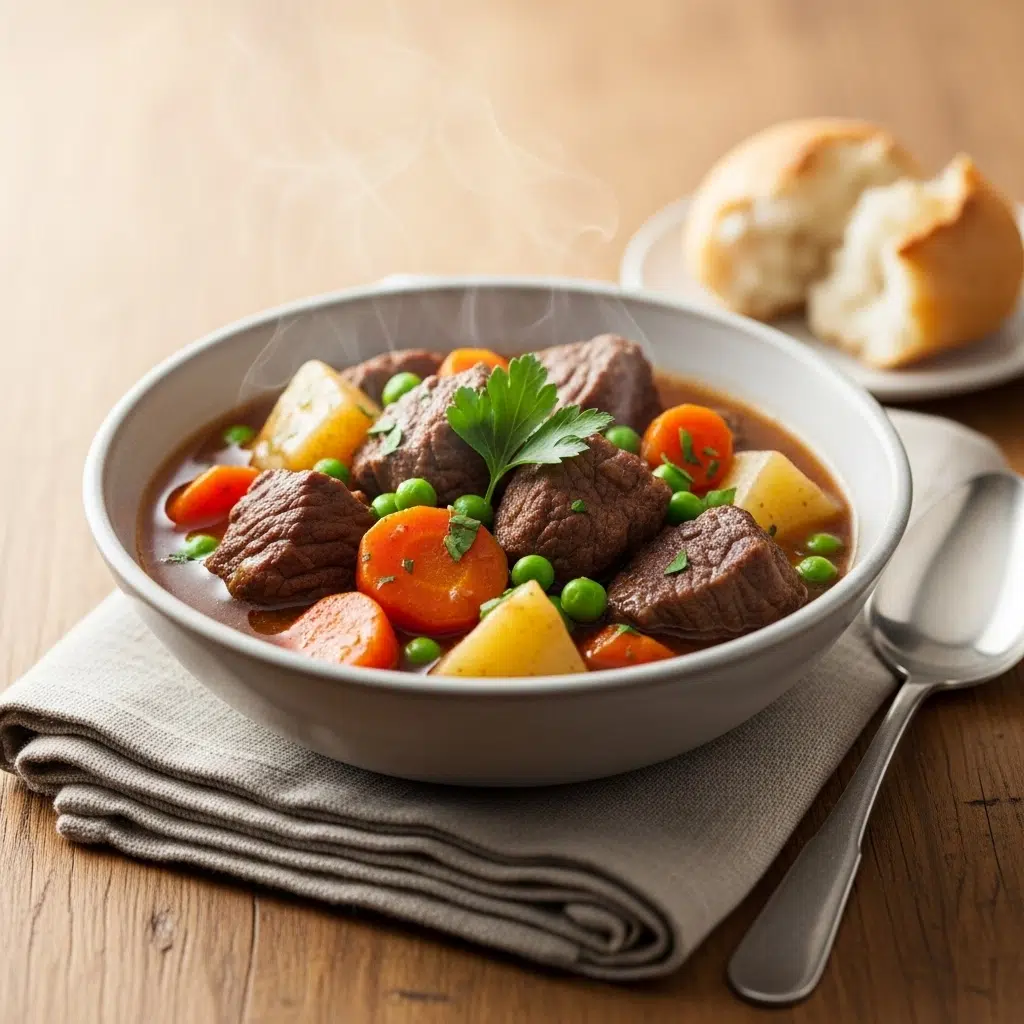
Did you know the average home cook spends over 40% of winter dinner time making “comfort food,” yet many still complain their stews taste thin or bland? If you’ve ever simmered a pot for hours and still ended up with watery sauce, this easy beef stew recipe is about to change that.
In this guide, you’ll learn an easy beef stew recipe built around 7 specific tips for the best, rich gravy—without needing chef-level skills. We’ll cover everything from choosing the right cut of beef and browning it properly to layering flavor with aromatics, tomato paste, and umami boosters.
You’ll also see how this hearty beef stew fits into your weeknight routine, how to make it in a Dutch oven, slow cooker, or Instant Pot, and how to tweak it for gluten-free or lower-sodium diets. By the end, you’ll have a reliable, cold-weather comfort food that tastes like it simmered all day—even if you didn’t.
Ingredients List
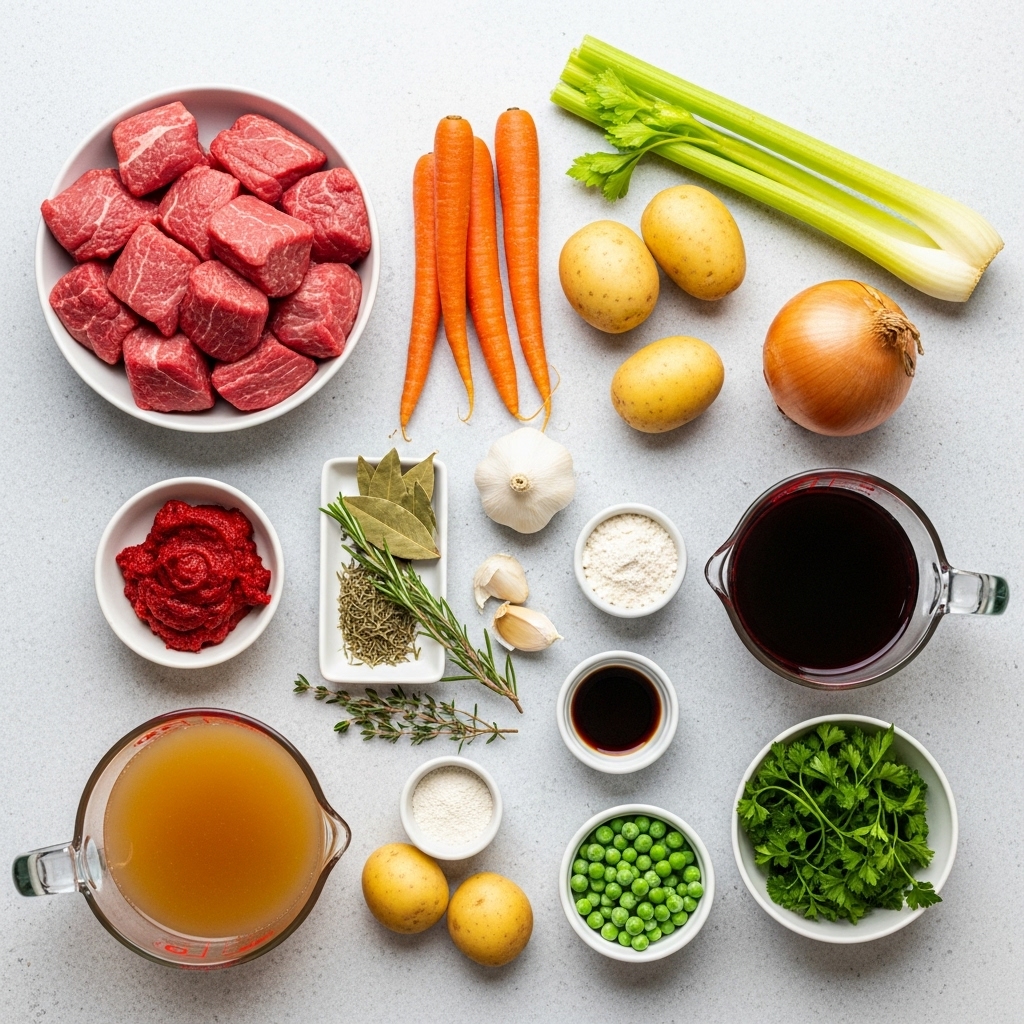
This easy beef stew recipe serves 6 and focuses on simple, affordable staples that deliver deep, cozy flavor.
Core ingredients
- 2 pounds (900 g) beef chuck, cut into 1.5-inch cubes (chuck roast or stewing beef—well-marbled for tenderness)
- 2 tablespoons vegetable oil or olive oil
- 1 ½ teaspoons kosher salt (divided, plus more to taste)
- 1 teaspoon freshly ground black pepper
- 1/4 cup all-purpose flour (for dredging)
- 1 large yellow onion, diced
- 3 cloves garlic, minced
- 2 tablespoons tomato paste
- 1 teaspoon dried thyme (or 1 tablespoon fresh)
- 1 teaspoon dried rosemary (or 1 tablespoon fresh, chopped)
- 2 bay leaves
- 1 cup (240 ml) dry red wine (optional, but recommended)
- 3 cups (720 ml) beef broth, preferably low-sodium
- 1 tablespoon Worcestershire sauce
- 3 large carrots, peeled and cut into chunks
- 3 medium potatoes, peeled and cut into chunks
- 2 ribs celery, sliced
- 1 cup frozen peas (added at the end)
- 1 tablespoon cornstarch (optional, for extra-thick gravy)
- 2 tablespoons fresh parsley, chopped (for garnish)
Smart substitutions and variations
- Beef cut:
- Use beef chuck for best results—fat and connective tissue melt into the broth, giving you tender beef and rich gravy.
- In a pinch, use round roast or brisket, but increase simmer time until fork-tender.
- Flour (for dredging):
- For a gluten-free beef stew, use a 1:1 gluten-free flour blend or skip dredging and thicken later with cornstarch.
- Red wine:
- Substitute equal parts beef broth plus 1 tablespoon balsamic vinegar or red wine vinegar if you prefer no alcohol.
- Wine adds depth and acidity, helping create that “slow-cooked” restaurant-style gravy.
- Vegetables:
- Swap potatoes for sweet potatoes for a slightly sweeter, nutrient-packed twist.
- Add parsnips, turnips, or mushrooms for an extra rustic, old-fashioned beef stew feel.
- Broth:
- Low-sodium beef stock lets you better control salt levels.
- A splash of soy sauce or Marmite can boost umami if your broth is very mild.
This ingredient lineup is intentionally flexible, so you can personalize your easy beef stew recipe based on what’s in your fridge and pantry.
Timing
Beef stew is famous for long simmer times, but this version is streamlined.
- Prep time: 20 minutes
- Active cooking time: 25 minutes
- Simmer time: 1 hour 15 minutes
- Total time: ~2 hours
Traditional beef stew recipes can run 2.5–3 hours or more. By cutting the beef into even cubes, searing efficiently, and using flavor boosters like tomato paste and Worcestershire sauce, this easy beef stew recipe delivers deep, rich gravy in about 2 hours total, roughly 20–30% less time than many classic versions.
If you use a pressure cooker/Instant Pot, you can cut total time to about 60–75 minutes including pressure build and release.
Step-by-Step Instructions (with 7 Tips for Rich Gravy)
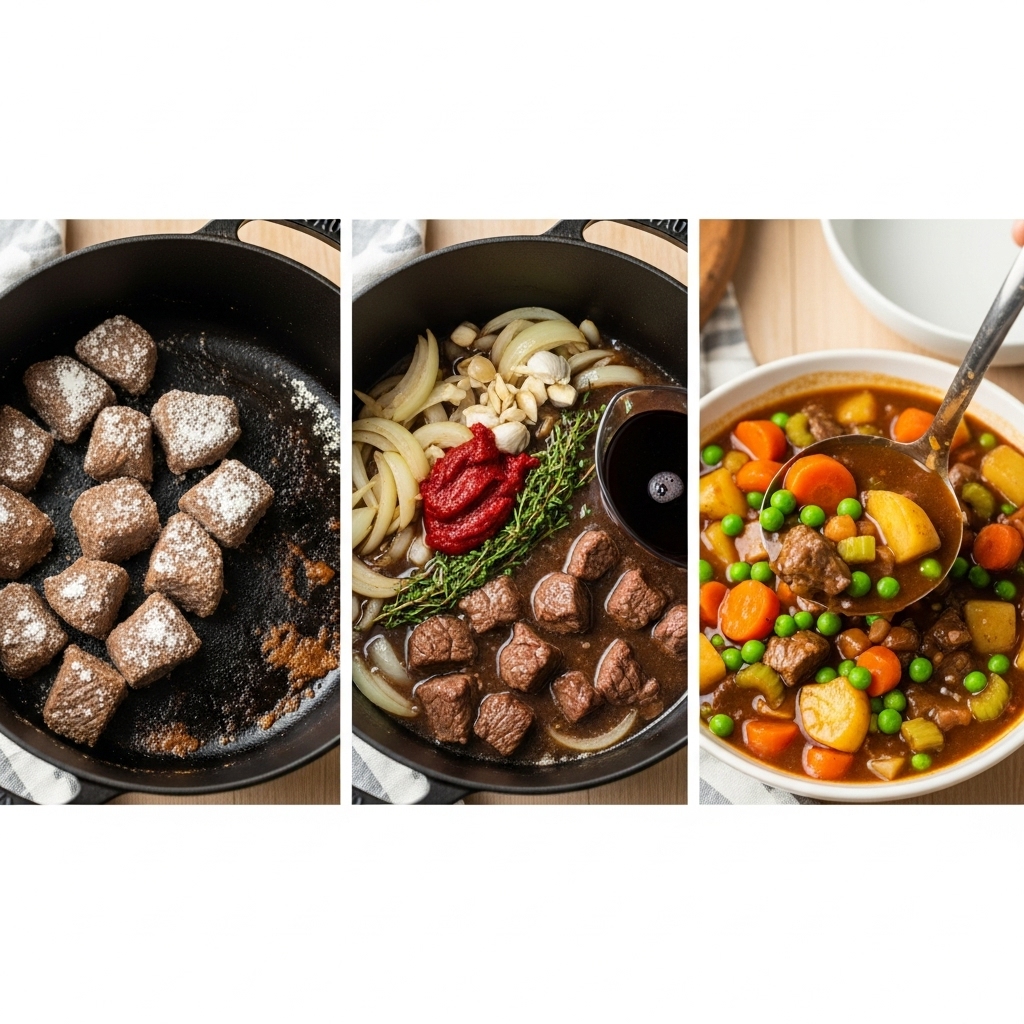
Step 1 – Prep and season the beef (Tip 1: Dry and dredge)
Pat the beef cubes very dry with paper towels. Moisture is the enemy of browning.
Season generously with 1 teaspoon salt and the black pepper. Toss the beef in the flour until lightly coated, shaking off excess.
Why it matters: Dry, lightly floured beef browns better and the flour helps thicken the stew base, building that velvety gravy texture.
Step 2 – Brown the beef in batches (Tip 2: Don’t crowd the pan)
Heat the oil in a large heavy-bottomed pot or Dutch oven over medium-high heat.
Add beef in a single layer (in batches), leaving space between pieces. Sear 3–4 minutes per side until deeply browned. Don’t move the cubes too much—let a crust form.
Transfer browned beef to a plate and repeat with remaining meat, adding a bit more oil if needed.
Why it matters: Crowding causes steaming, not searing. Those caramelized brown bits (fond) on the bottom of the pot are flavor bombs that later dissolve into your gravy.
Step 3 – Build the flavor base (Tip 3: Aromatics + tomato paste)
Reduce heat to medium. In the same pot, add the diced onion and a pinch of salt. Cook 5–7 minutes, stirring, until soft and lightly golden, scraping up fond as they release moisture.
Add minced garlic and cook 30 seconds until fragrant.
Stir in the tomato paste and cook 1–2 minutes, letting it darken slightly. This “toasts” the paste, removing raw acidity and deepening flavor.
Add thyme, rosemary, and bay leaves; stir briefly.
Why it matters: Onions, garlic, and tomato paste form the backbone of a robust, restaurant-style stew. Lightly caramelizing tomato paste is a classic chef trick for richer gravy.
Step 4 – Deglaze and layer umami (Tip 4: Wine and Worcestershire)
Pour in the red wine, scraping the bottom of the pot to release all browned bits. Simmer 2–3 minutes to reduce slightly and cook off the alcohol.
Add the beef broth and Worcestershire sauce. Stir well.
Return the browned beef (and any juices on the plate) to the pot. Bring to a gentle simmer.
Why it matters: Wine and Worcestershire add acidity and umami—two key elements that make a gravy taste complex and “slow cooked,” even in a relatively short time.
Step 5 – Low and slow simmer (Tip 5: Gentle heat = tender meat)
Once the liquid reaches a gentle simmer, reduce heat to low, cover partially, and cook for about 45 minutes, stirring occasionally.
You want a slow, lazy bubble—not a full rolling boil. Check occasionally to make sure nothing sticks.
Why it matters: Tough cuts like chuck contain collagen that breaks down into gelatin. That gelatin is what gives your gravy body and silky mouthfeel. Too high a heat can toughen the meat before the collagen has time to melt.
Step 6 – Add vegetables at the right time (Tip 6: Avoid mushy veg)
After 45 minutes, add the carrots, potatoes, and celery. Stir, cover again, and simmer another 25–30 minutes, or until beef is fork-tender and vegetables are just cooked through.
In the last 5 minutes of cooking, stir in the frozen peas.
Why it matters: If you add vegetables too early, they break down and turn mealy. Staggering additions keeps textures distinct while the gravy continues to develop flavor.
Step 7 – Adjust thickness and flavor (Tip 7: Taste, thicken, balance)
Check the stew consistency. If you prefer extra-thick gravy, mix 1 tablespoon cornstarch with 2 tablespoons cold water to make a slurry. Stir into the simmering stew and cook 2–3 more minutes until thickened.
Taste and adjust seasoning: add more salt, pepper, or a splash of Worcestershire or vinegar if it needs brightness.
Remove bay leaves. Sprinkle with fresh parsley before serving.
Why it matters: Every broth and cut of beef is different. Final seasoning and thickness adjustments personalize this easy beef stew recipe so it tastes exactly right to you and your family.
Nutritional Information
Values below are approximate per serving (1/6 of recipe):
- Calories: ~450 kcal
- Protein: ~32 g
- Carbohydrates: ~28 g
- Fiber: ~4 g
- Sugars: ~5 g
- Fat: ~21 g
- Saturated fat: ~7 g
- Cholesterol: ~110 mg
- Sodium: ~800–900 mg (depending on broth and salt added)
Nutritionally, this easy beef stew recipe offers:
- High-quality protein from beef
- Fiber and micronutrients from carrots, potatoes, peas, and celery
- A good amount of iron, zinc, and B vitamins, which are common benefits of beef-based comfort foods
To reduce sodium and saturated fat, see the next section for targeted swaps.
Healthier Alternatives for the Recipe
You can enjoy a cozy bowl of stew and still support your health goals. Here’s how to lighten up this easy beef stew recipe without losing flavor:
- Lower sodium:
- Use low-sodium beef broth and taste before adding extra salt.
- Rinse canned or boxed broth-based ingredients if using any.
- Rely more on herbs, garlic, and a splash of vinegar or lemon for brightness instead of extra salt.
- Reduce saturated fat:
- Trim visible fat from the beef before cooking.
- After browning beef and simmering, chill the stew, then skim off solidified fat from the surface before reheating.
- Use 1 tablespoon oil instead of 2 if your beef is fairly fatty.
- Boost vegetables:
- Double the amount of carrots, celery, or add mushrooms, parsnips, or green beans to increase fiber and nutrients.
- Replace some potatoes with cauliflower florets or turnips for lower carbs.
- Gluten-free version:
- Skip the flour dredge and thicken at the end with cornstarch, arrowroot, or a gluten-free flour blend.
- Ensure Worcestershire sauce is gluten-free (some brands contain barley).
- Lower-carb option:
- Reduce or omit potatoes and serve the stew over cauliflower mash, roasted vegetables, or steamed greens.
These simple adjustments make the recipe more adaptable for Mediterranean-style eating, lower-carb diets, or gluten-free households.
Serving Suggestions
This easy beef stew recipe is a true “set the table and everyone’s happy” kind of dish. Here are some ways to serve it:
- Classic comfort style:
- Ladle stew into warm bowls with crusty bread or dinner rolls to mop up the rich gravy.
- Serve with a side salad (mixed greens or Caesar) for a balanced plate.
- Over a base:
- Spoon over creamy mashed potatoes for the ultimate cold-weather meal.
- Serve over buttered egg noodles or pappardelle for a hearty, almost beef ragu–style dinner.
- For a lighter option, serve over steamed rice or cauliflower rice.
- Entertaining idea:
- Serve stew in mini cast-iron cocottes or oven-safe bowls with a sprinkle of parsley and a crack of black pepper on top.
- Pair with a medium-bodied red wine like Merlot, Cabernet Sauvignon, or Malbec.
Personal tip: If feeding kids or picky eaters, keep peas on the side and let them add their own. You can also slightly mash some potatoes in the bowl to thicken the stew even more—many people love that thicker, “hug in a bowl” texture.
Common Mistakes to Avoid
Even an easy beef stew recipe can go wrong if you miss a few key details. Watch out for these pitfalls:
- Not browning the beef properly
- Rushing this step means less flavor. Work in batches and aim for deep brown crust, not gray meat.
- Boiling instead of simmering
- A rolling boil toughens beef and can make vegetables fall apart. Keep the heat low with a gentle bubble.
- Adding vegetables too early
- Carrots and potatoes become mushy if they cook as long as the beef. Add them halfway through.
- Under-seasoning the broth
- Stew needs salt, acid, and umami. Taste near the end and adjust with salt, Worcestershire, or a splash of vinegar.
- Skipping the deglaze step
- Leaving browned bits stuck to the pot is throwing away flavor. Always deglaze with wine or broth and scrape well.
- Not allowing enough time
- Beef chuck needs at least an hour of gentle simmering to become tender. If it’s still chewy, it usually means it needs more time, not less.
Storing Tips for the Recipe
Beef stew is one of those dishes that often tastes even better the next day, as flavors meld.
- Refrigerator storage:
- Cool stew to room temperature, then store in airtight containers for up to 4 days.
- Reheat gently on the stovetop over medium-low heat, adding a splash of water or broth if it’s too thick.
- Freezer storage:
- Portion into freezer-safe containers or bags, leaving some headspace.
- Freeze for up to 3 months. Label with date and contents.
- Thaw overnight in the refrigerator, then reheat slowly on the stovetop.
- Meal prep tips:
- Chop vegetables a day ahead and store separately in the fridge.
- Brown the beef in advance and refrigerate; combine with aromatics and liquids when you’re ready to cook.
- For work lunches, portion into microwavable containers—stew reheats well and stays satisfying.
Proper storage helps maintain the stew’s texture and that precious rich gravy you’ve worked so hard to build.
Conclusion
This easy beef stew recipe gives you tender chunks of beef and a deeply flavored, rich gravy by focusing on 7 simple techniques: drying and dredging the beef, browning in batches, building a strong flavor base, deglazing, gentle simmering, perfect veg timing, and smart final seasoning. Try it this week, then share your feedback in the review section or leave a comment on our blog—and don’t forget to subscribe for more cozy, flavor-packed recipes.
FAQs
1. Can I make this easy beef stew recipe in a slow cooker?
Yes. Brown the beef and sauté onions, garlic, and tomato paste in a skillet first. Transfer everything (including broth, wine, and seasonings) to a slow cooker. Cook on Low for 7–8 hours or High for 4–5 hours, adding vegetables halfway through cooking if possible.
2. Can I use a different cut of beef?
You can, but beef chuck is best. Stew meat blends sometimes include leaner cuts that stay tough. If you use round roast, plan for a slightly longer simmer and check for tenderness before serving.
3. How can I thicken the stew without flour?
Use cornstarch or arrowroot mixed with cold water (slurry) and stir into simmering stew until thickened. You can also reduce the liquid with the lid off for 10–15 minutes to naturally concentrate and thicken the gravy.
4. Can I make this stew ahead of time?
Absolutely. Beef stew often tastes better the next day. Make the day before, cool, refrigerate, and reheat gently. Skim any solidified fat off the top before reheating if you’d like a lighter stew.
5. What if my stew tastes flat or bland?
Try these fixes:
- Add a pinch more salt and black pepper.
- Stir in a splash of Worcestershire sauce or soy sauce for umami.
- Add a teaspoon of red wine vinegar or lemon juice to brighten flavors. A small adjustment can transform the entire pot.
6. Can I omit the wine entirely?
Yes. Replace wine with equal parts beef broth and add 1–2 teaspoons vinegar (balsamic, red wine, or apple cider) for acidity. You’ll still get a deeply flavored, rich gravy without any alcohol.
7. How do I prevent my potatoes from falling apart?
Use waxy or all-purpose potatoes (Yukon Gold, red potatoes) rather than very starchy russets, and add them later in the cooking process (last 25–30 minutes). Cut them into large chunks so they hold their shape.