
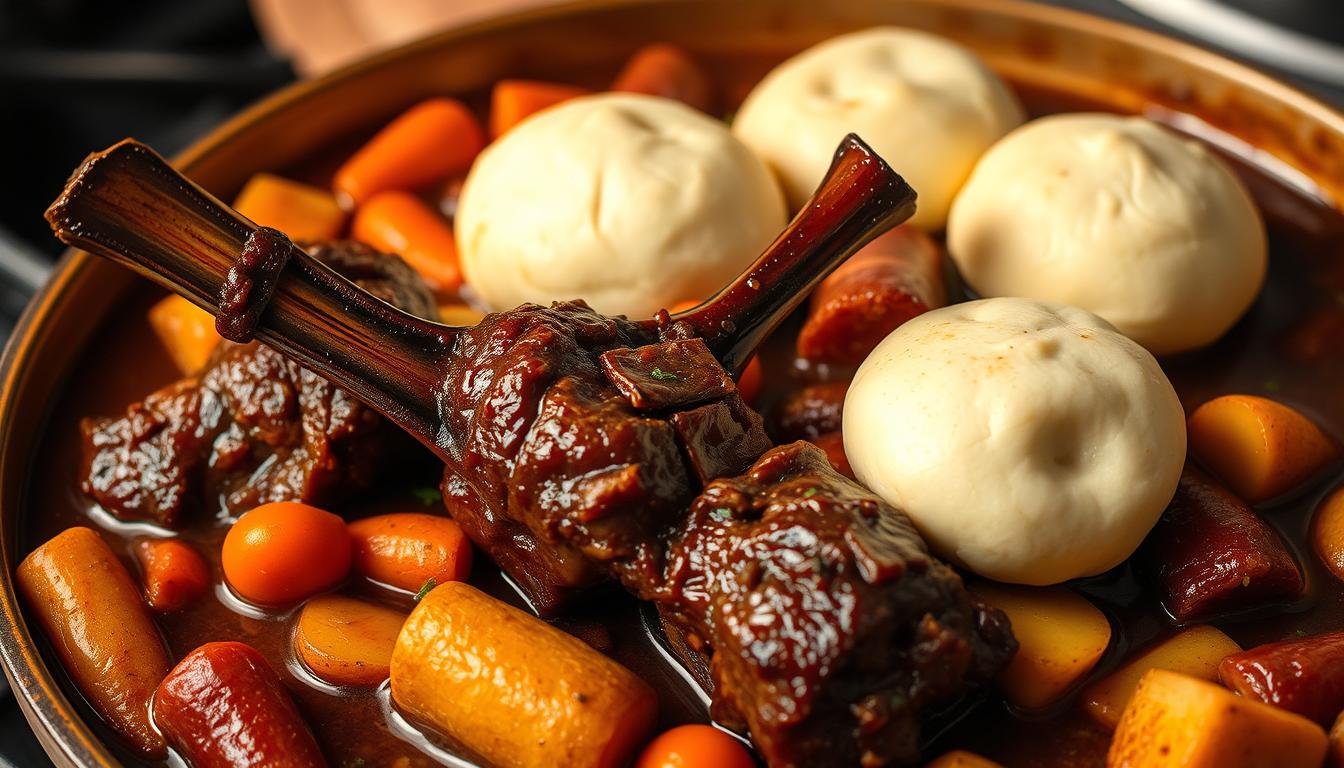
Do you remember the smell of a meal that just wrapped you in a warm hug? The kind that filled the whole house and promised something truly special was about to be served. For many of us, that feeling is tied to a certain hearty, slow-cooked dish.
It’s amazing how a cut of meat once overlooked has become a star. This guide is all about mastering that transformation in your own kitchen. You will learn how to turn a humble ingredient into a luxurious, soul-satisfying experience.
Whether you need comfort after a long day or are planning a festive gathering, this beef dish delivers. The rich flavor and fall-off-the-bone tenderness are unforgettable. We will explore different cooking methods to fit your schedule perfectly.
Key Takeaways
- Oxtails have evolved from a humble cut to a beloved comfort food in many cultures.
- Slow cooking transforms this cut of meat into an incredibly tender and flavorful dish.
- You can prepare this recipe using various methods like a slow cooker, pressure cooker, or oven.
- The high bone and cartilage content creates a rich, deeply satisfying broth or gravy.
- While sometimes a splurge, the result is a luxurious meal worth the effort.
- Proper preparation yields meat so tender it literally falls off the bone.
Introduction to the Hearty World of Oxtails
What was once considered scraps has become one of the most sought-after culinary treasures. This remarkable transformation tells a story of creativity and resilience in the kitchen.
Why You Should Try This Soul Food Classic
The history behind this beloved beef cut is both powerful and inspiring. Enslaved Africans transformed what plantation owners discarded into extraordinary comfort food.
Today, this dish graces upscale restaurant menus worldwide. Its rich collagen content makes it a superfood for bone and joint health.
If you follow keto or paleo diets, you’ll appreciate the high fat content. It provides sustained energy while delivering incredible flavor.
The Southern Tradition Behind Oxtails
Southern families have passed down recipes through generations. Each grandmother had her special technique for creating fall-off-the-bone tender meat.
In Jamaican cuisine, this preparation holds iconic status. It’s traditionally reserved for Christmas, Thanksgiving, and Sunday suppers.
Whether you prefer Southern-style smothered versions or authentic Jamaican preparations, this versatile cut adapts beautifully. The slow cooking process creates unforgettable tenderness.
Essential Ingredients for Oxtail Magic
Gathering the right components is the first and most crucial step toward oxtail perfection. The quality of your ingredients directly influences the depth of flavor in your final dish.
Think of this as building a foundation. Each element plays a specific role in creating that rich, soul-satisfying experience.
Fresh Oxtails and Quality Beef Broth
Start with about two to two-and-a-half pounds of fresh meat. Look for pieces with bright red color and good marbling.
The bone should be white, indicating healthy cartilage. This cartilage melts during cooking, creating a luxurious sauce.
Your liquid base is equally important. Using a rich beef broth instead of water adds incredible depth. This broth forms the backbone of your gravy.
You will also need a neutral cooking oil for searing. This step locks in juices and builds a flavorful crust.
Herbs, Spices, and Other Flavor Boosters
Aromatics are non-negotiable. Fresh garlic and onions create a savory foundation that infuses the entire pot.
Your seasoning blend is key. Combine kosher salt, black pepper, and fresh thyme for a classic profile.
Flavor enhancers like Worcestershire and soy sauce contribute savory notes. A touch of tomato paste or ketchup adds sweetness and body.
Don’t forget vegetables! Bell peppers and butter beans add color, texture, and absorb all the delicious cooking juices.
Prepping and Trimming Your Oxtails
The journey to tender, flavorful oxtails starts long before they hit the heat with careful preparation. Proper handling at this stage ensures your final dish achieves that perfect balance of richness and clarity.
Begin by placing your meat in a large bowl with cool water. Add a splash of vinegar or fresh lemon juice to the water. This traditional Caribbean technique cleans the pieces and enhances their natural flavor.
Tips for Removing Excess Fat
Using kitchen shears, carefully trim any visible excess fat from the pieces. You don’t need to remove all fat since some contributes to flavor and tenderness during the long cooking process.
Gently rub the pieces together under the water to remove any debris or bone fragments. Rinse them thoroughly under cold running water. Then drain completely and pat dry with paper towels.
This drying step is crucial for achieving a good sear later. It also helps your seasonings stick properly to the meat surface.
After cooking, you’ll notice rendered fat accumulated on top of your gravy. Use a fat separator to strain off the grease while keeping the flavorful liquid. Alternatively, skim the surface with a spoon before serving.
Mastering the Art of Browning and Searing Oxtails
The sizzle of meat hitting a hot pan is one of cooking’s most satisfying sounds. This crucial step transforms your ingredients before the long, slow cooking begins.
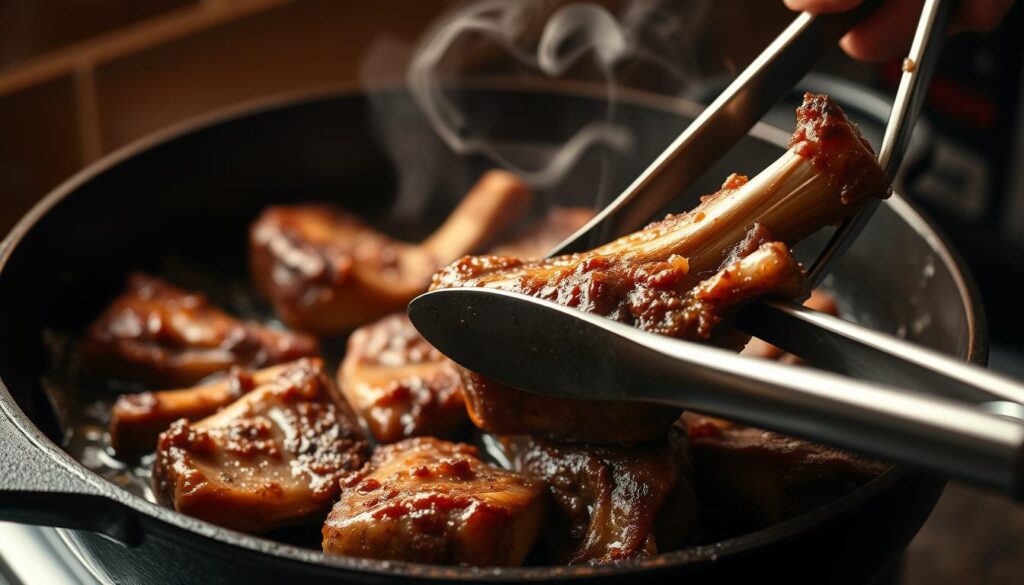
How Searing Locks in Flavor
When you brown your oxtail pieces, you create a beautiful caramelized crust. This process locks in natural juices and intensifies the meat’s flavor.
Season generously with salt, pepper, and Worcestershire sauce before searing. Some cooks also dredge in flour for an extra flavorful crust.
Heat your pan over medium-high heat and add enough oil to coat the bottom. Wait until the oil shimmers before adding your pieces.
Choosing the Right Cooking Oil
Vegetable oil works perfectly for this high-heat task. It has a neutral flavor and high smoke point.
Other good options include avocado, canola, or peanut oil. Each provides excellent heat tolerance for proper searing.
Work in batches to avoid overcrowding. Give each piece about 5 minutes per side for perfect browning. This patience pays off with superior flavor in your final dish.
Slow Cooking vs. Braising: Methods to Tenderize Your Oxtails
The secret to achieving that perfect fall-off-the-bone texture lies in choosing the right cooking technique. Both slow cooking and braising transform tough cuts into tender masterpieces through patient, low-heat preparation.
Slow Cooker Techniques for Fall-Off-The-Bone Tenderness
Your slow cooker offers incredible convenience for busy schedules. After browning your meat, transfer everything to the appliance with fresh seasonings.
Set your cooker on high for 4-5 hours or low for 6-8 hours. The consistent low heat gently breaks down connective tissues. This creates that signature tender texture everyone loves.
Stovetop and Oven Braising Insights
Braising gives you more control over the cooking process. Use a heavy Dutch oven on your stovetop or in your preheated 375°F oven.
Add about 4 cups of broth or water to create a rich cooking liquid. Cover with a tight lid and cook for 2-3 hours. Check periodically to ensure proper moisture levels.
| Method | Cooking Time | Heat Level | Best For |
|---|---|---|---|
| Slow Cooker | 4-8 hours | Low to Medium | Hands-off cooking |
| Oven Braising | 2-3 hours | 375°F | Even heat distribution |
| Stovetop Braising | 1-2 hours | Medium-High | Quick adjustments |
Regardless of your chosen method, the key is patience. Low, slow cooking transforms collagen into gelatin. This creates that luxurious, fork-tender result worth waiting for.
Cooking Techniques to Achieve Deep, Rich Gravy
The transformation from simple pan drippings to luxurious gravy is where culinary magic truly happens. Your cooking technique determines whether you get a thin sauce or a rich, velvety masterpiece.
Maintaining Consistent Cooking Temperatures
Control your heat carefully throughout the process. Start by adding flour to the hot pan drippings little by little. Whisk continuously until the flour turns brown and develops texture.
Slowly pour in your broth while whisking to prevent lumps. Bring the mixture to a full boil, then reduce the heat to medium. This consistent temperature allows flavors to develop properly.
Layering Flavors Through Extended Cooking
Add sliced onions and garlic once your gravy base is boiling. The long cooking time—usually several hours—allows fat and gelatin from the oxtails to melt into the liquid.
This creates an incredibly rich sauce that coats the back of a spoon. The extended simmering time builds complex flavor layers that make your dish unforgettable.
If your gravy needs thickening, use a cornstarch slurry. Mix one tablespoon each of cornstarch and cold water, then stir into the simmering gravy. Always taste and adjust seasonings before serving your delicious oxtails.
How to Create a Delicious Onion and Garlic Gravy
The rich, aromatic foundation of your gravy begins with two humble ingredients that transform any sauce into something extraordinary. Mastering this base ensures your final dish has the depth and complexity that makes comfort food truly memorable.
Building the Base with Aromatics
Start by creating a proper roux with your pan drippings. Gradually whisk flour into the hot oil until it turns brown and develops texture. This creates the foundation for your gravy.
Slowly pour in beef broth while whisking constantly to prevent lumps. Once the mixture reaches a rolling boil, add your sliced onions and minced garlic. These aromatics will soften and release their incredible flavor into the sauce.
Adjusting Seasonings to Your Taste
Now comes the personal touch. Start with basic seasoning like salt and black pepper. Taste your creation and adjust accordingly.
You might add more garlic powder or onion powder for extra depth. The beauty of this gravy is its versatility. Pour it generously over your meat to ensure maximum moisture and flavor absorption during cooking.
Infusing Additional Flavors: Herbs, Wine, and Beyond
Elevating your gravy from good to gourmet is all about the layers of flavor you build. This is where you can get creative and make the dish uniquely yours.
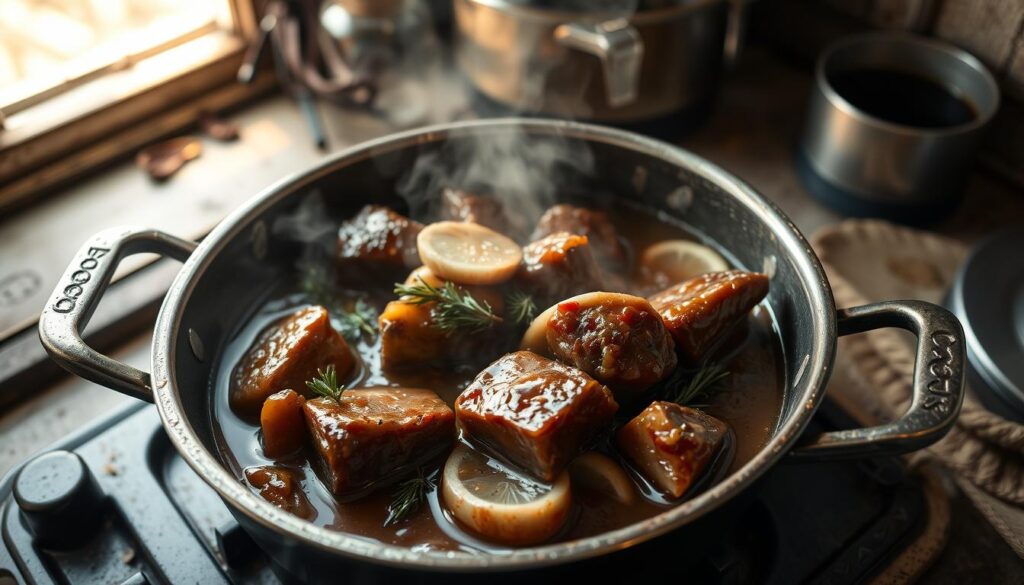
Think beyond the basics. A bouquet of herbs like fresh thyme, rosemary, or a bay leaf simmered in the sauce adds incredible aromatic depth.
Enhancing the Gravy with White Wine
For a more sophisticated touch, deglaze your pan with a splash of white wine. As it simmers, the alcohol cooks off, leaving behind a subtle brightness that cuts through the richness.
You can also experiment with soy sauce for a deep umami boost instead of Worcestershire sauce. Both options beautifully complement the savory beef notes.
The Role of Fresh Thyme and Black Pepper
Fresh thyme is a star player, offering earthy notes that are essential to many classic recipes. Don’t be shy with freshly cracked black pepper either.
It provides a gentle heat and aroma that enhances the entire sauce. For more spice, a pinch of red pepper flakes works wonders. Your final seasoning adjustment is what makes the gravy perfect.
Serving Suggestions: Pairing Oxtails with Classic Sides
The perfect pairing can transform your main course into an unforgettable dining experience. Your carefully prepared oxtails deserve accompaniments that enhance every savory note of the rich gravy.
Think about balance when planning your meal. You want sides that complement rather than compete with your star attraction.
Mashed Potatoes, Rice, and Grits
Starchy bases are essential for soaking up that incredible sauce. Fluffy white rice creates a perfect canvas for the rich flavors.
Creamy mashed potatoes offer comforting texture. Buttery grits provide a Southern twist that feels like home.
Each option captures the gravy beautifully. They ensure you enjoy every last drop of your delicious creation.
Creative Ideas for Complementary Side Dishes
Consider adding fresh vegetables to brighten your plate. Collard greens or mixed greens provide nutritional balance.
Southern-style potato salad offers cool contrast to the warm meat. Cornbread or biscuits are perfect for gravy dipping.
For a complete meal, add root vegetables directly to your slow cooker. They’ll absorb flavors while cooking alongside your main dish.
Your side selections should create harmony on the plate. The right combinations make your dish truly memorable.
Expert Tips and Variations on Southern and Jamaican Styles
Exploring different cultural approaches to cooking can transform your kitchen experience. Both Southern and Jamaican traditions create incredible dishes, but they use distinct techniques and flavor profiles.
Southern Smothered Oxtails Technique
Southern style focuses on simplicity and comfort. You’ll use basic seasonings like garlic, salt, and onions to let the natural beef flavor shine.
The key is creating a rich gravy from pan drippings. Brown your pieces in oil, then set them aside. Make a roux with flour before adding broth slowly.
Pour this over the meat in your slow cooker. Cook on high for about 8 hours for fall-off-the-bone tenderness. Leftovers taste even better after resting in the fridge.
Authentic Jamaican Oxtail Recipe Insights
Jamaican style brings Caribbean flavors to life. This recipe uses browning sauce, soy sauce, fresh thyme, and Scotch bonnet peppers.
Marinate your seasoned meat in the fridge overnight for deeper flavor penetration. Traditional methods don’t typically use Worcestershire sauce.
You can cook Jamaican style in a pressure cooker, Dutch oven, or slow cooker. Add butter beans toward the end for authentic texture.
Both styles benefit from low, slow cooking to achieve perfect tenderness. Customize either recipe with additional herbs or vegetables to make it your own.
Conclusion
Mastering this oxtail recipe is a rewarding journey that ends with one of the most satisfying meals you can make at home. You have learned each essential step, from selecting quality beef to the final, slow cooking process.
The hands-on work is simple. The real key is patience. Choosing fresh ingredients and properly browning your meat builds incredible flavor.
Whether you use a slow cooker or a Dutch oven, the result is a tender, rich dish. You can customize it with your favorite vegetables and herbs.
Remember to store any leftovers in the fridge. They often taste even better the next day. Now, gather your ingredients and create this hearty, savory masterpiece to savor.
FAQ
How long does it take to cook this dish until it’s truly tender?
Low and slow is the secret. For fall-off-the-bone meat, plan on 3 to 4 hours of cooking time. This allows the collagen to break down, creating that rich, savory gravy you love.
Can I use a slow cooker for this recipe?
Absolutely! A slow cooker is fantastic for this. After browning the meat, transfer everything to your cooker. Set it on low for 7-8 hours for incredibly tender results.
What’s the best way to trim excess fat before cooking?
Use a sharp knife to carefully slice off any large, visible pieces of fat from the outside. Don’t remove it all, as some fat is essential for flavor and helps create a luxurious sauce.
What are the best side dishes to serve with this hearty meal?
Creamy mashed potatoes or fluffy white rice are classic choices to soak up the delicious gravy. Buttered grits or buttery egg noodles also make wonderful, comforting sides.
Can I make this dish ahead of time?
Yes, and it often tastes even better the next day! Let it cool completely, then store it in an airtight container in your fridge. Reheat gently on the stovetop.
What’s the difference between Southern-style and Jamaican-style recipes?
Southern-style often features a rich, brown gravy with onions and garlic. An authentic Jamaican oxtail recipe typically includes ingredients like Scotch bonnet peppers, allspice (pimento), broad beans, and sometimes a touch of browning sauce for color.