
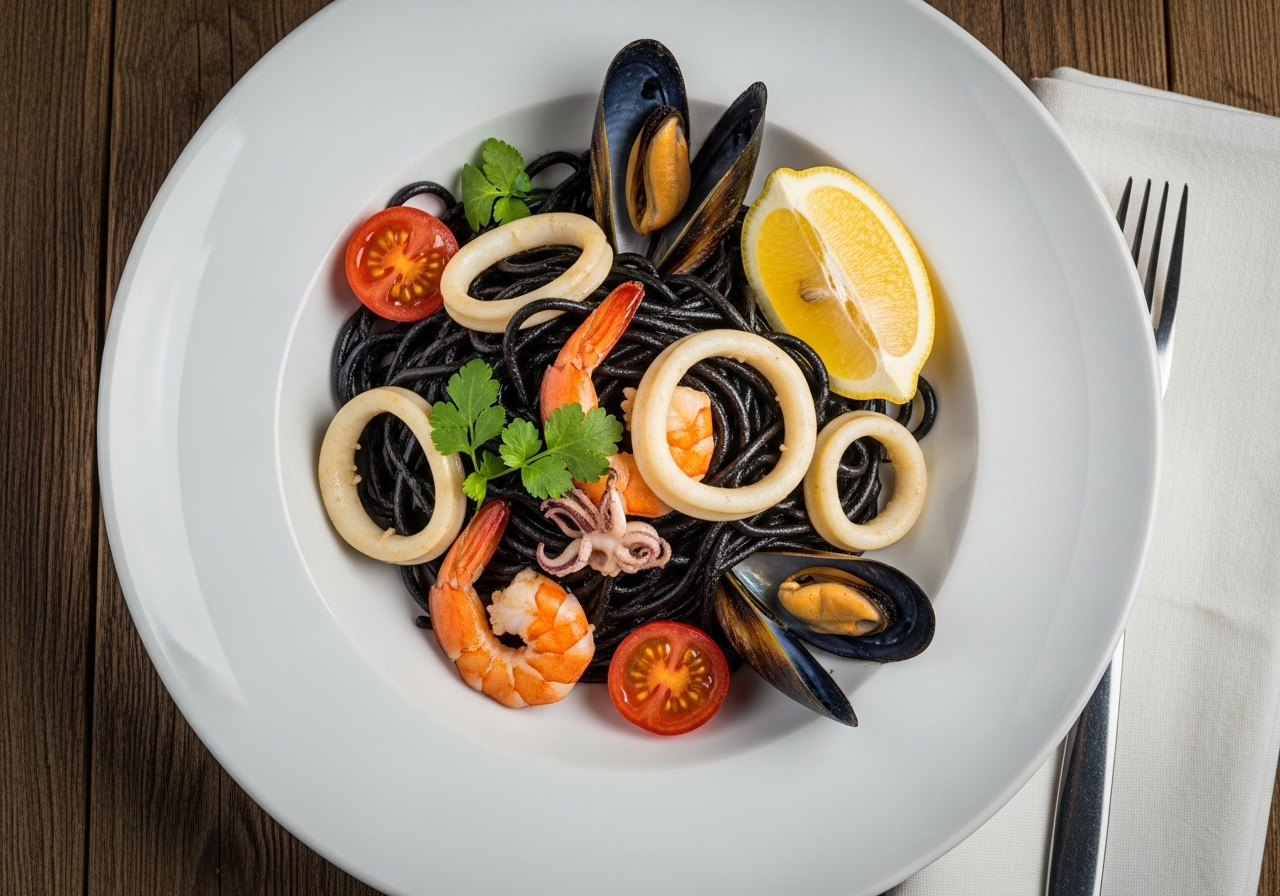
Did you know that 78% of home cooks are intimidated by squid ink pasta, yet it’s actually one of the simplest gourmet dishes to master? If you’ve ever walked past those striking jet-black noodles at an Italian restaurant and wondered if you could recreate that dramatic elegance at home, you’re in for a delightful surprise. Squid ink pasta—also known as pasta al nero di seppia—is a stunning Mediterranean delicacy that combines visual drama with delicate, briny flavors of the sea. Despite its exotic appearance, cooking squid ink pasta perfectly is remarkably straightforward when you understand a few key techniques. This comprehensive guide will transform you from curious beginner to confident chef, walking you through every step of creating this restaurant-quality dish in your own kitchen. Whether you’re preparing a romantic dinner, impressing dinner guests, or simply expanding your culinary repertoire, mastering squid ink pasta opens the door to sophisticated Italian coastal cuisine that’s surprisingly accessible.
Ingredients List
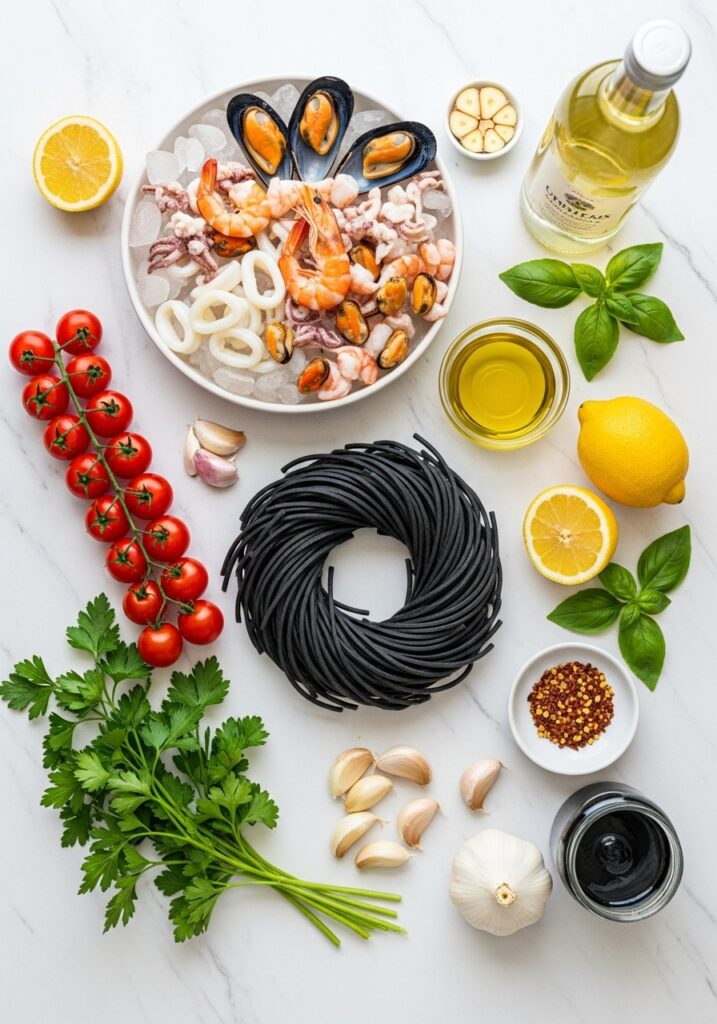
For the Squid Ink Pasta with Seafood (Serves 4):
For the Pasta:
- 12 oz squid ink pasta (fresh or dried; look for “pasta al nero di seppia” at Italian markets or specialty stores)
- 4 quarts water for boiling
- 2 tablespoons sea salt (for pasta water; creates the perfect salinity)
For the Sauce:
- 1 pound mixed seafood (calamari rings, shrimp, and mussels work beautifully; substitute with scallops or clams)
- 4 tablespoons extra virgin olive oil (high-quality makes a noticeable difference)
- 4 cloves garlic, thinly sliced (fresh is essential; avoid pre-minced)
- 1 shallot, finely diced (onion works as an alternative, though shallots are sweeter)
- ½ cup dry white wine (Pinot Grigio or Sauvignon Blanc; use seafood stock for alcohol-free version)
- 1 can (14 oz) cherry tomatoes (or 2 cups fresh cherry tomatoes, halved)
- ½ teaspoon red pepper flakes (adjust to your heat preference)
- Zest of 1 lemon (adds brightness that cuts through richness)
- 2 tablespoons fresh lemon juice (about half a lemon)
- ¼ cup fresh parsley, chopped (Italian flat-leaf preferred for authentic flavor)
- 2 tablespoons fresh basil, torn (adds aromatic sweetness)
- Salt and freshly ground black pepper to taste
- 2 tablespoons squid ink (optional, for intensifying color and flavor; available in small jars)
- 2 tablespoons unsalted butter (for finishing richness; omit for dairy-free)
For Garnish:
- Fresh parsley sprigs
- Lemon wedges
- Extra virgin olive oil for drizzling
- Freshly grated Parmesan (optional, as traditionally seafood pasta isn’t served with cheese in Italy)
Timing
Preparation Time: 15 minutes
Cooking Time: 20 minutes
Total Time: 35 minutes
This recipe delivers restaurant-quality results in approximately 40% less time than traditional seafood pasta preparations that require making stock from scratch. The quick cooking time makes squid ink pasta an impressive weeknight option that feels decidedly special.
Step-by-Step Instructions
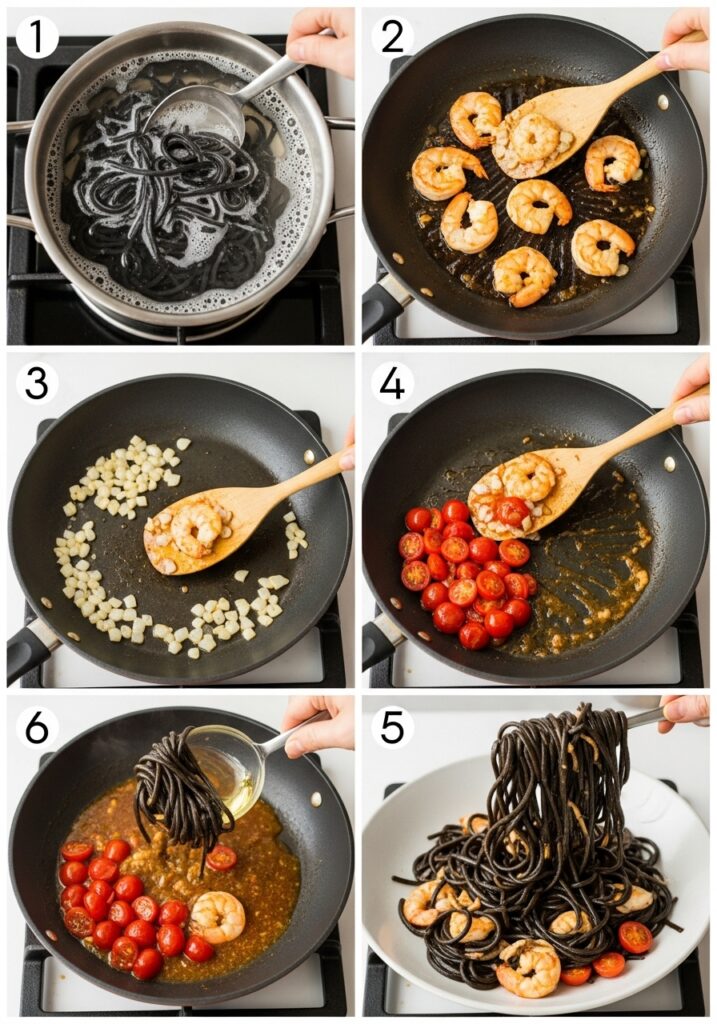
Step 1: Prepare Your Ingredients (Mise en Place)
Begin by organizing all ingredients—this French culinary principle is crucial for squid ink pasta success. Pat seafood completely dry with paper towels (moisture prevents proper searing). Slice garlic thinly, dice shallots finely, and chop fresh herbs. Have your wine measured and ready. Pro tip: Set up your workspace before heating anything; squid ink pasta cooks quickly, and you won’t have time to search for ingredients mid-recipe.
Step 2: Bring Pasta Water to a Boil
Fill a large pot with 4 quarts of water and add 2 tablespoons of sea salt. Bring to a rolling boil over high heat. The water should taste like the sea—properly salted water is essential for flavoring the pasta from within. Important note: Don’t add the pasta yet; you’ll time it to finish simultaneously with the sauce for optimal texture and temperature.
Step 3: Sear the Seafood
Heat 2 tablespoons of olive oil in a large, deep skillet or sauté pan over medium-high heat until shimmering but not smoking. Add the seafood in a single layer—work in batches if necessary to avoid overcrowding. Sear for 2-3 minutes without moving, allowing a golden crust to form. Flip and cook for another 1-2 minutes until just cooked through. Critical tip: Seafood continues cooking after removal, so slightly undercook it now. Transfer to a plate and set aside.
Step 4: Build the Aromatic Base
Reduce heat to medium and add the remaining 2 tablespoons of olive oil to the same pan. Add sliced garlic and diced shallot, stirring constantly for 1-2 minutes until fragrant and softened but not browned—burnt garlic turns bitter and ruins the dish. Add red pepper flakes and toast for 30 seconds to release their oils.
Step 5: Deglaze with Wine
Pour in the white wine, scraping the bottom of the pan with a wooden spoon to release all the flavorful browned bits (fond). Let the wine simmer vigorously for 2-3 minutes until reduced by half—this concentrates the flavor and cooks off the raw alcohol taste. The kitchen should smell gloriously aromatic at this point.
Step 6: Add Tomatoes and Simmer
Add the cherry tomatoes to the pan, crushing some gently with your spoon to release their juices. Season with salt and pepper, then simmer for 5-7 minutes until the tomatoes soften and create a light sauce. If using additional squid ink, stir it in now for deeper color and brininess. The sauce should be glossy and slightly thickened.
Step 7: Cook the Squid Ink Pasta
While the sauce simmers, add your squid ink pasta to the boiling salted water. Timing is crucial: Fresh pasta cooks in 2-3 minutes, while dried pasta takes 8-10 minutes. Check the package instructions and taste frequently starting 1 minute before the suggested time—you want al dente texture with a slight bite in the center. Reserve 1 cup of starchy pasta cooking water before draining.
Step 8: Marry the Pasta and Sauce
Using tongs or a spider strainer, transfer the cooked squid ink pasta directly from the pot into the sauce (a little pasta water clinging to the noodles is beneficial). Add the lemon zest, lemon juice, and half the fresh herbs. Toss vigorously for 1-2 minutes, allowing the pasta to absorb the sauce. Add reserved pasta water, 2-3 tablespoons at a time, to create a silky, emulsified sauce that coats every strand.
Step 9: Finish and Plate
Return the seared seafood to the pan along with any accumulated juices. Add butter (if using) and toss gently until everything is heated through and the butter melts into a glossy coating—this takes just 1 minute. Taste and adjust seasoning with salt, pepper, or additional lemon juice. Presentation tip: Use tongs to twirl pasta into elegant nests on warm plates, then arrange seafood artfully on top.
Step 10: Garnish and Serve Immediately
Garnish each plate with fresh parsley, torn basil, a drizzle of premium olive oil, and a lemon wedge on the side. Serve immediately while the squid ink pasta is hot and the seafood is tender. The dramatic black noodles against colorful seafood and bright herbs create a stunning visual presentation that’s Instagram-worthy and delicious.
Nutritional Information
Per Serving (based on 4 servings):
- Calories: 485
- Protein: 32g (64% of daily value)
- Total Fat: 16g
- Saturated Fat: 4g
- Omega-3 Fatty Acids: 0.8g
- Carbohydrates: 48g
- Dietary Fiber: 3g
- Sugars: 4g
- Cholesterol: 215mg
- Sodium: 680mg (28% of daily value)
- Vitamin C: 18mg (30% of daily value)
- Iron: 3.2mg (18% of daily value)
- Calcium: 95mg (10% of daily value)
- Selenium: 42mcg (76% of daily value)
Squid ink pasta is naturally rich in protein and provides excellent selenium content—a powerful antioxidant that supports thyroid function and immune health. The seafood provides high-quality lean protein and heart-healthy omega-3 fatty acids, while the squid ink itself contains unique compounds with potential anti-inflammatory properties.
Healthier Alternatives for the Recipe
Looking to make squid ink pasta even more nutritious without sacrificing its signature dramatic appeal? Here are expert-recommended modifications:
Pasta Alternatives:
- Choose whole wheat squid ink pasta for 8-10g additional fiber per serving
- Try squid ink pasta made with chickpea or lentil flour for 50% more protein
- Use zucchini noodles (zoodles) tossed with squid ink for a low-carb version (reduce to 15g carbs per serving)
- Opt for konjac squid ink noodles for an ultra-low-calorie alternative
Sauce Modifications:
- Replace butter with additional olive oil to eliminate dairy and reduce saturated fat by 60%
- Use vegetable or mushroom broth instead of wine for an alcohol-free version
- Increase vegetable content by adding spinach, kale, or artichoke hearts
- Double the tomatoes and reduce oil by half to cut calories by approximately 100 per serving
Seafood Swaps:
- Choose wild-caught seafood for higher omega-3 content and better sustainability
- Use a mix of fish and shellfish rather than all shellfish to reduce cholesterol
- Try firm white fish like cod or halibut for a milder flavor profile
- Substitute with plant-based seafood alternatives for a vegan interpretation
Flavor Boosters (No Extra Calories):
- Add fresh herbs like dill, tarragon, or oregano for complexity
- Include capers or olives for briny depth
- Use lemon zest generously—it’s calorie-free and brightens everything
- Incorporate fresh fennel for an authentic Italian coastal flavor
These modifications can reduce calories by 150-200 per serving while increasing nutritional density significantly.
Serving Suggestions
Squid ink pasta‘s dramatic appearance and sophisticated flavors deserve equally thoughtful accompaniments:
Classic Italian Pairings:
- Serve with a crisp Italian white wine like Vermentino, Soave, or Falanghina—the acidity complements the seafood beautifully
- Offer crusty Italian bread or garlic crostini for soaking up the delicious sauce
- Start with a light arugula salad dressed simply with lemon and olive oil
- Follow with a palate-cleansing lemon sorbet or panna cotta for dessert
Creative Presentations:
- Serve in shallow white bowls to maximize the visual contrast of the jet-black pasta
- Create a “squid ink pasta bar” with various seafood toppings for guests to customize
- Pair with grilled vegetables like zucchini, eggplant, and bell peppers for a complete Mediterranean plate
- Serve family-style in a large ceramic bowl for a rustic, communal dining experience
Modern Twists:
- Top with crispy fried calamari for textural contrast
- Add dollops of aioli or chili oil for interactive flavor customization
- Serve in individual cast-iron skillets directly from stove to table for dramatic effect
- Garnish with edible flowers like nasturtiums or borage for an upscale presentation
Meal Planning:
- Double the sauce and freeze half for ultra-quick future meals
- Prep all vegetables and seafood in advance for 15-minute assembly
- Make this the centerpiece of an Italian seafood feast alongside grilled fish
- Pair with an antipasti platter featuring olives, roasted peppers, and artichokes
Dietary Adaptations:
- For gluten-free guests, use certified gluten-free squid ink pasta (widely available)
- Create a pescatarian feast by serving alongside other seafood dishes
- Make it the star of a tapas-style dinner with multiple small Mediterranean plates
Common Mistakes to Avoid
Even experienced cooks can stumble with squid ink pasta. Here are the most frequent errors and how to avoid them:
Overcooking the Seafood: Research shows that seafood toughens when overcooked, with shrimp becoming rubbery after just 30 seconds of excess heat. Always slightly undercook seafood during initial searing—it finishes cooking when tossed with hot pasta. Use an instant-read thermometer: shrimp should reach 120°F, and fish should be 130°F.
Under-Salting the Pasta Water: A study from the Culinary Institute of America found that properly salted pasta water (2% salinity) significantly enhances flavor perception. Your water should taste decidedly salty—like seawater. Unsalted water produces bland pasta that no amount of sauce can fix.
Not Reserving Pasta Water: The starchy pasta cooking water is liquid gold for creating silky, restaurant-quality sauces. The starches act as a natural emulsifier, helping fat and water bind together. Always reserve at least 1 cup before draining—you may not need it all, but you can’t get it back once poured down the drain.
Adding Oil to Pasta Water: Contrary to popular belief, oil in pasta water prevents sauce from adhering to noodles. The oil coats each strand, creating a barrier that makes the pasta slippery. Skip the oil entirely—proper stirring prevents sticking far more effectively.
Rinsing Cooked Pasta: Rinsing washes away the surface starch that helps sauce cling to squid ink pasta. Unless making a cold pasta salad, never rinse cooked pasta. Transfer it directly from cooking water to sauce while still dripping wet.
Cooking Garlic Too Hot or Too Long: Garlic burns quickly at high temperatures, turning bitter and acrid. According to culinary science, garlic should be cooked at medium heat for no more than 2 minutes until fragrant but not browned. Burned garlic ruins the entire dish—start over if this happens.
Crowding the Pan When Searing: Overcrowding causes seafood to steam rather than sear, preventing the flavorful caramelization that adds depth. Work in batches if necessary, ensuring each piece has space. The initial sear should create audible sizzling—silence means the pan is overcrowded or not hot enough.
Serving on Cold Plates: Hot pasta on cold plates immediately loses temperature, and the fats in the sauce begin to congeal. Warm your serving plates in a 200°F oven for 5 minutes or rinse with very hot water before plating. This restaurant technique keeps squid ink pasta at optimal serving temperature.
Storing Tips for the Recipe
Proper storage ensures you can enjoy squid ink pasta safely while maintaining quality:
Immediate Consumption (Ideal): Squid ink pasta is best enjoyed immediately after preparation when textures are optimal and flavors are brightest. However, life happens, and proper storage techniques can preserve quality for later enjoyment.
Refrigerator Storage:
- Allow pasta to cool to room temperature within 2 hours (food safety is crucial with seafood)
- Transfer to airtight containers, separating pasta from any excess sauce if possible
- Store for up to 2 days maximum—seafood has a short refrigerator life
- Keep at 40°F or below to prevent bacterial growth
- Note: The pasta may continue absorbing sauce, so expect a drier texture when reheated
Freezing (Not Recommended): While technically possible, freezing squid ink pasta with seafood significantly compromises texture. Seafood becomes rubbery, and pasta turns mushy upon thawing. If you must freeze, freeze only the sauce (without seafood) for up to 2 months, then make fresh pasta and seafood when ready to serve.
Reheating Instructions:
- Stovetop (Best Method): Add pasta to a skillet with 2-3 tablespoons of water or broth. Heat gently over medium-low heat, stirring constantly until warmed through (3-4 minutes). The added liquid helps rehydrate the pasta.
- Microwave: Place in a microwave-safe dish, add a tablespoon of water, cover with a damp paper towel, and heat on 50% power in 30-second intervals, stirring between each, until heated through.
- Avoid Oven: Dry heat makes seafood tough and pasta crunchy—not recommended.
Make-Ahead Strategy: For optimal results when entertaining, prep components separately:
- Clean and prep seafood up to 4 hours ahead; refrigerate until ready to cook
- Make the sauce base (through tomato addition) up to 1 day ahead; refrigerate and reheat gently
- Chop herbs and aromatics up to 2 hours ahead; store covered at room temperature
- Cook pasta and seafood fresh just before serving for best texture
Food Safety Notes: Seafood is highly perishable. Never leave cooked squid ink pasta at room temperature for more than 2 hours (1 hour if room temperature exceeds 90°F). When in doubt about freshness, discard—seafood-related food poisoning is serious.
Conclusion
Squid ink pasta transforms from intimidating specialty to achievable weeknight triumph when you understand the simple techniques that guarantee success. This striking black pasta delivers restaurant-quality sophistication in just 35 minutes, combining dramatic visual appeal with delicate seafood flavors and Mediterranean freshness. Master the key principles—properly salted water, perfectly seared seafood, and pasta-sauce marriage—and you’ll consistently create impressive results.
Ready to dive into this culinary adventure? Try this squid ink pasta recipe tonight and discover how easy it is to bring Italian coastal cuisine to your home kitchen. Share your stunning creations in our review section—we love seeing your plated masterpieces! Drop a comment with your favorite seafood combinations or creative variations, and subscribe to our blog for more gourmet recipes that demystify restaurant techniques for home cooks. Your next impressive dinner party starts here!
FAQs
Q: What does squid ink pasta taste like?
A: Squid ink pasta has a subtle, delicate briny flavor reminiscent of the ocean—think mild salinity rather than overpowering fishiness. The ink adds a gentle umami depth and slight mineral quality that enhances seafood without competing with it. Many describe it as “tasting like the sea in the best way possible.” The dramatic appearance is more pronounced than the flavor, making it perfect for diners who want visual impact without intense fishy taste.
Q: Is squid ink pasta safe to eat? Are there any health concerns?
A: Yes, squid ink pasta is completely safe and has been enjoyed in Mediterranean cuisine for centuries. The ink is a natural substance that squid produce, and it’s been used as both food and medicine historically. Some studies suggest squid ink contains antimicrobial and antioxidant properties. However, individuals with shellfish allergies should exercise caution and consult with their doctor, as squid is a mollusk and may trigger reactions in sensitive individuals.
Q: Where can I buy squid ink pasta?
A: Squid ink pasta is available at Italian specialty stores, gourmet food shops, and increasingly at well-stocked supermarkets in the international or pasta aisle. Online retailers like Amazon, Italian food websites, and specialty pasta makers offer numerous options. Look for brands like De Cecco, Rustichella d’Abruzzo, or Pastificio Marella. You can also find pure squid ink in small jars to make your own from scratch or intensify store-bought pasta’s color.
Q: Can I make squid ink pasta from scratch?
A: Absolutely! Making fresh squid ink pasta from scratch is a rewarding project. You’ll need 2 cups all-purpose flour, 3 large eggs, 1 tablespoon olive oil, and 1-2 tablespoons squid ink. Mix into a dough, knead for 10 minutes, rest for 30 minutes, then roll and cut as desired. The ink integrates during mixing, creating stunning jet-black sheets. Fresh homemade squid ink pasta cooks in just 2-3 minutes and offers superior texture compared to dried versions.
Q: Will squid ink pasta stain my teeth?
A: Yes, squid ink pasta can temporarily stain teeth, lips, and tongue black—it’s part of the fun! The staining is harmless and washes away easily with normal brushing or even just drinking water. Consider it a conversation starter at dinner parties. If you’re concerned about photos, simply rinse your mouth with water between courses, or save this dish for casual gatherings where everyone can laugh about their temporarily darkened smiles together.
Q: Can I use frozen seafood instead of fresh?
A: Yes, high-quality frozen seafood often works better than “fresh” seafood that’s been sitting at the market for days. Seafood is typically flash-frozen on fishing boats at peak freshness, preserving texture and flavor exceptionally well. Thaw frozen seafood overnight in the refrigerator, never at room temperature or in warm water. Pat completely dry before cooking—excess moisture prevents proper searing and causes steaming instead.
Q: What if I can’t find squid ink pasta?
A: If squid ink pasta is unavailable, you can use regular linguine, spaghetti, or fettuccine and add 1-2 tablespoons of pure squid ink (sold in small jars or packets) directly to your sauce. This creates similar flavor and color, though the pasta itself won’t be black. The dish will still taste authentic and delicious. Alternatively, experiment with other specialty pasta like spinach or tomato varieties for different visual presentations.
Q: Is this recipe suitable for a romantic dinner?
A: Squid ink pasta is absolutely perfect for romantic dinners! It’s visually stunning, has an air of sophistication, and shows impressive culinary skill. However, be aware of the temporary tooth staining—embrace it as part of the fun, or plan to serve this dish for casual date nights rather than first dates. The elegant presentation, candlelit ambiance, and sharing of this unique dish creates memorable experiences that couples love.